Nov 06, 2026
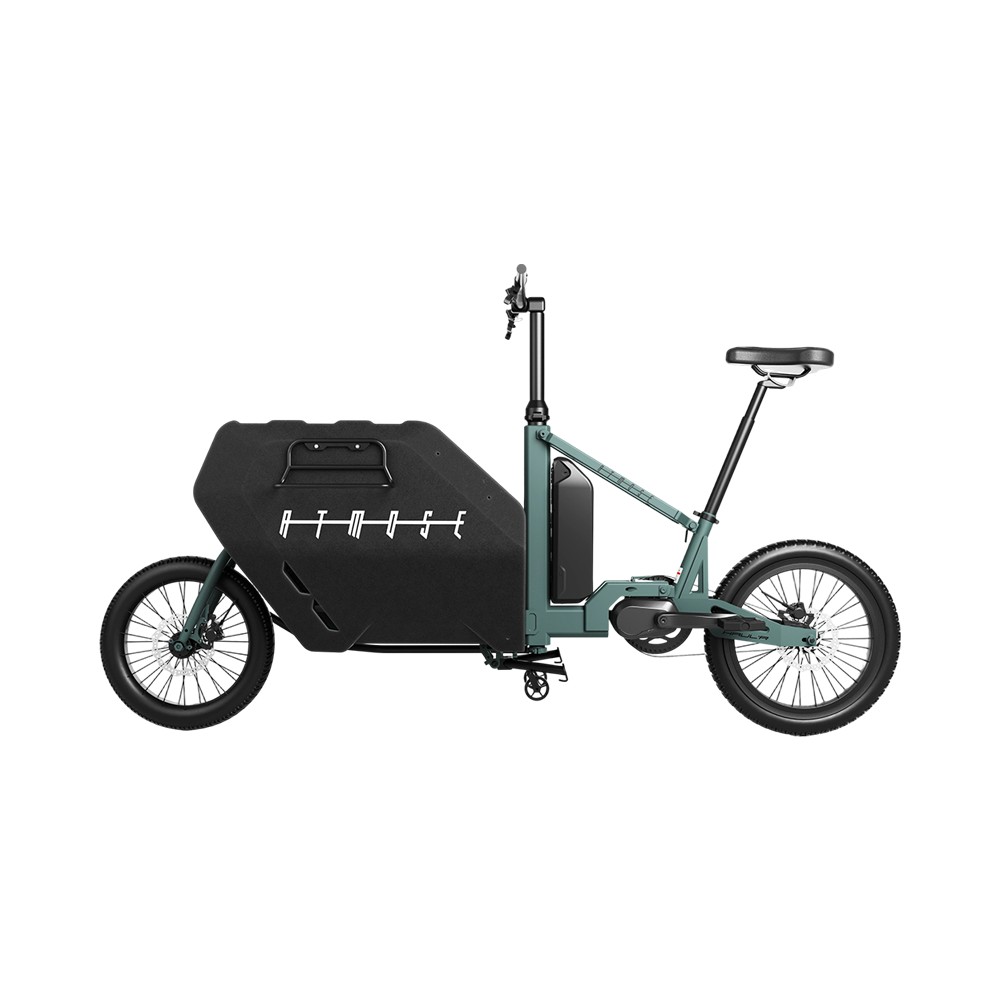
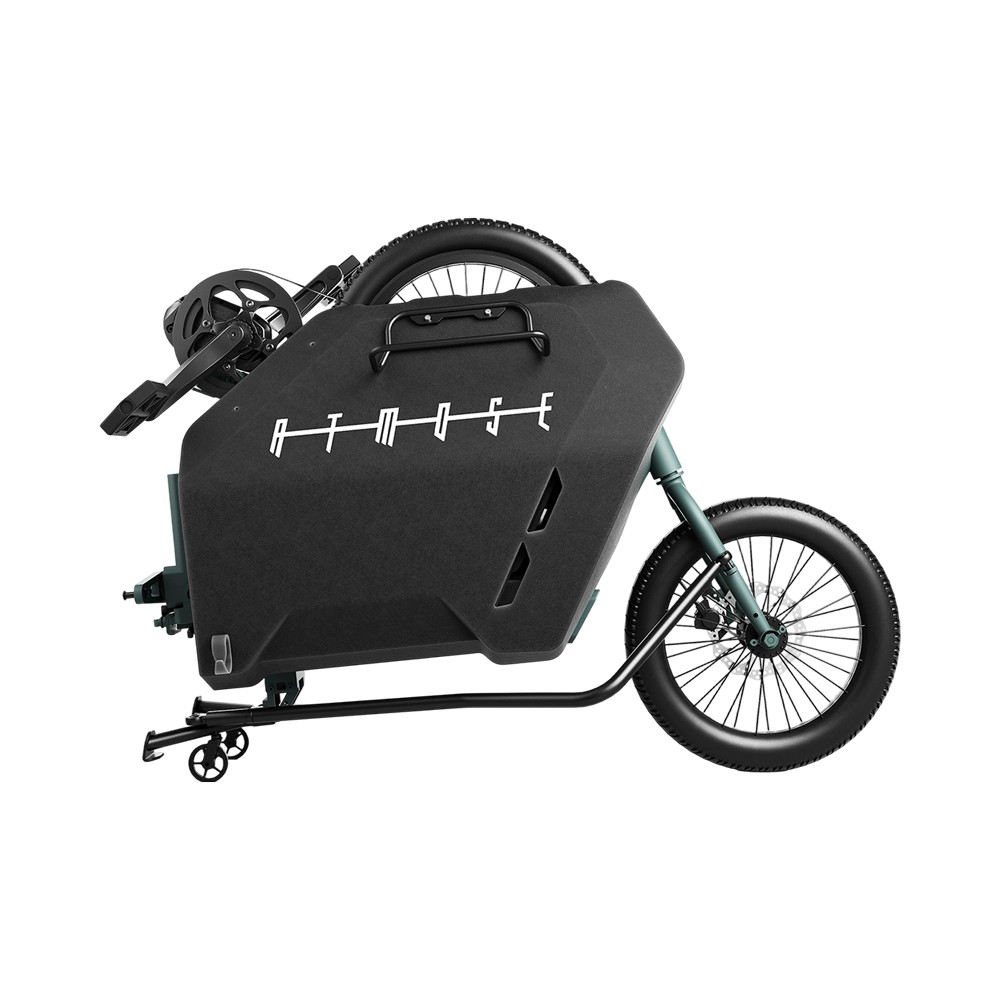
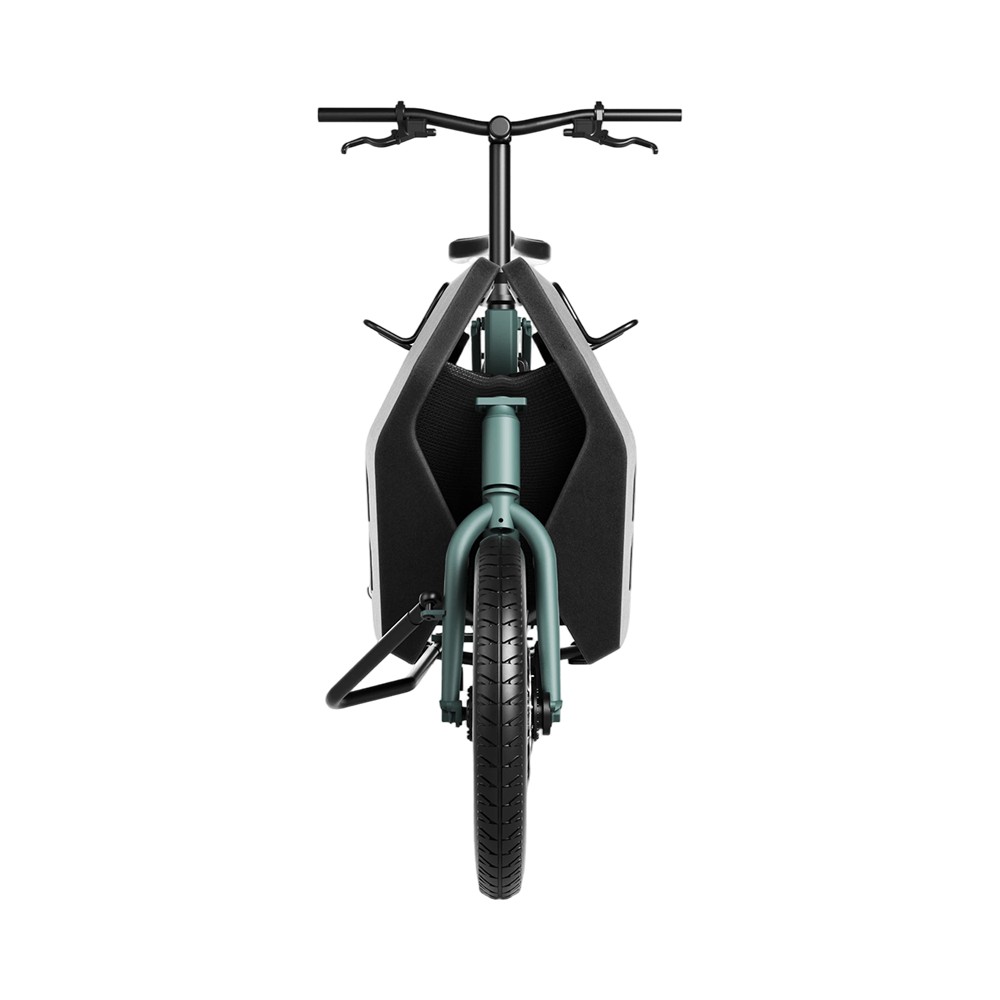
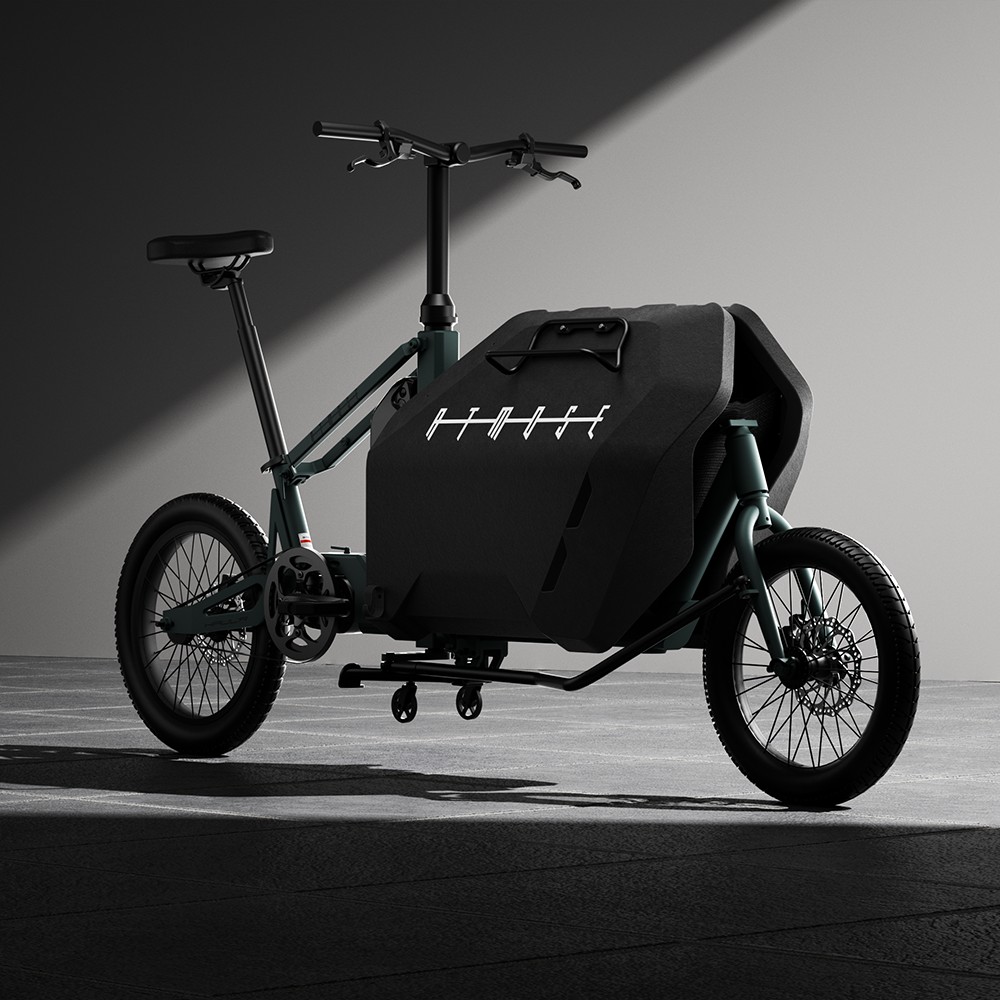
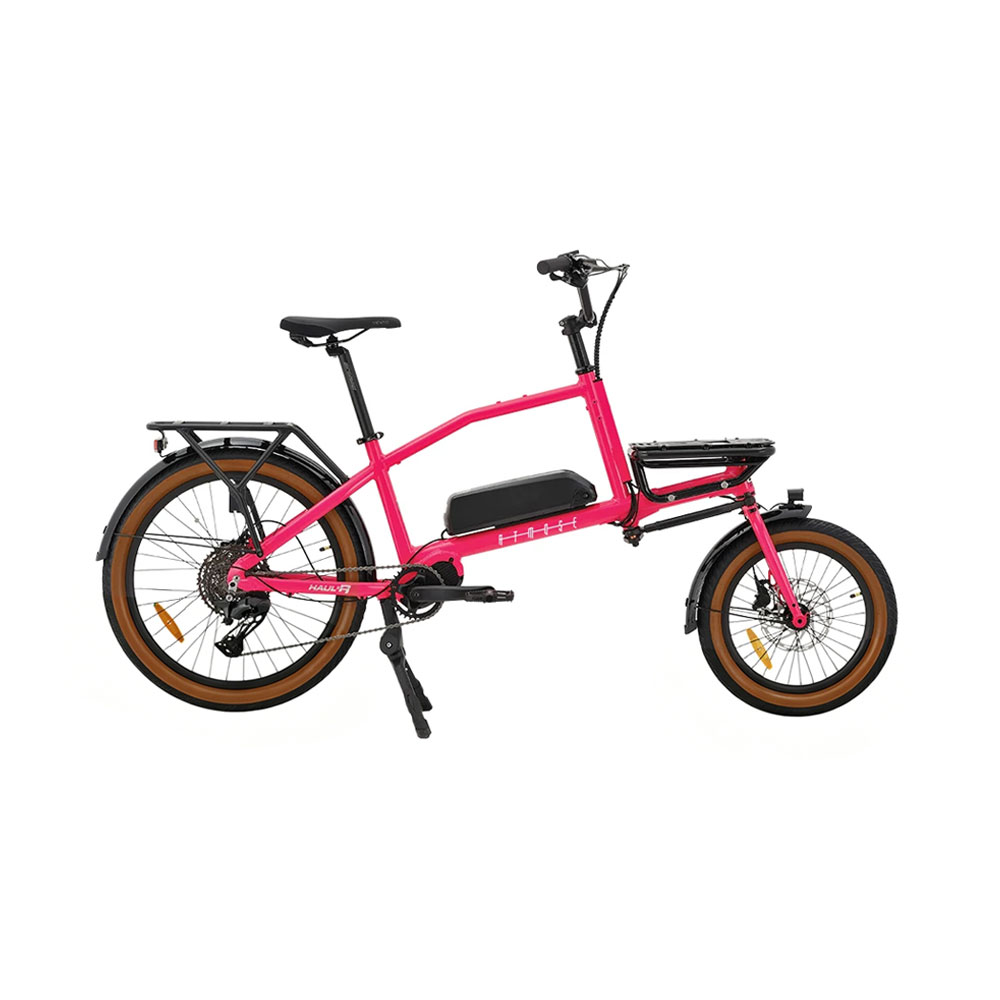
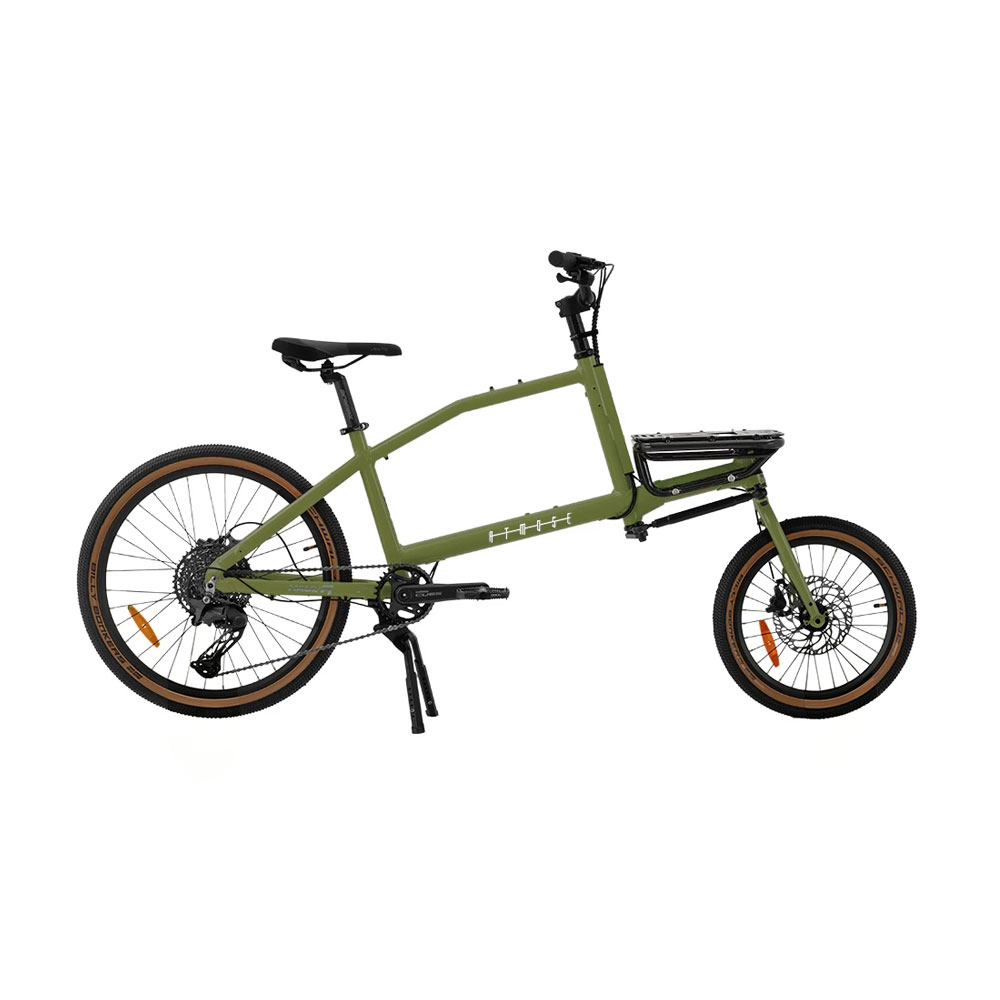
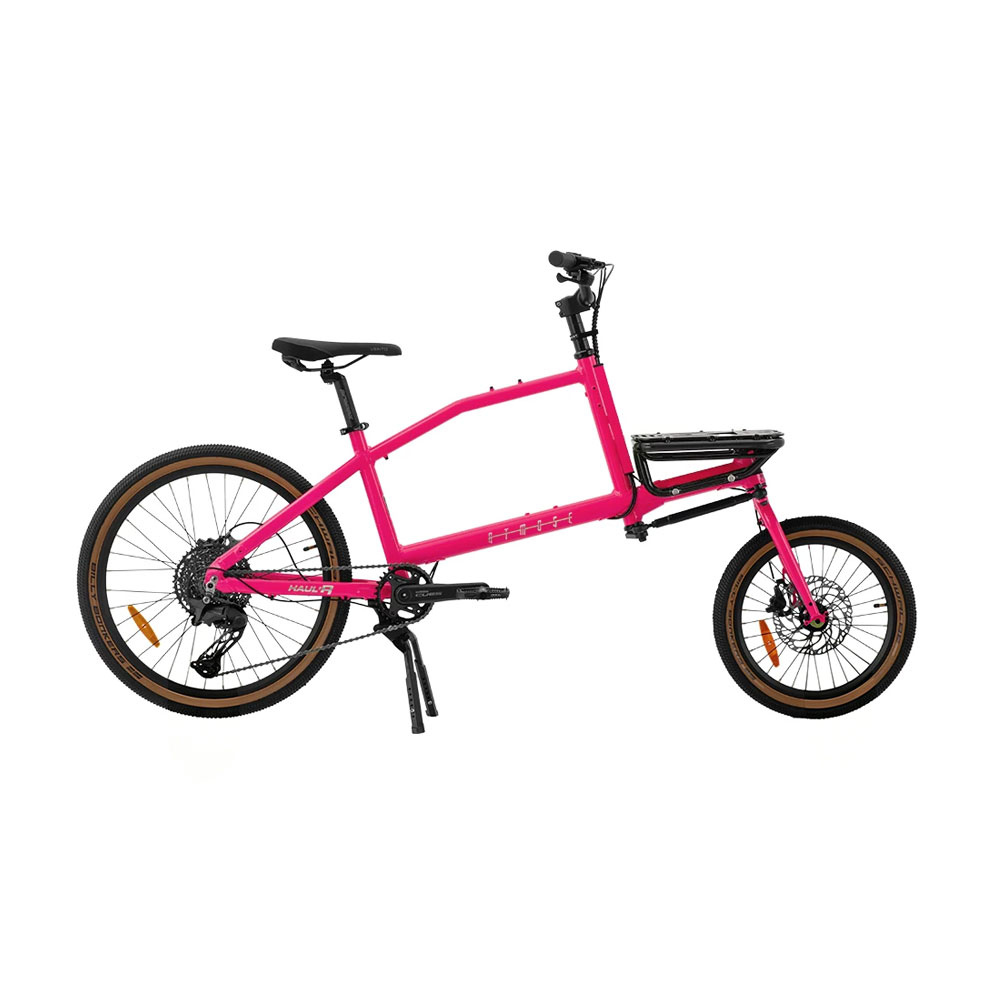
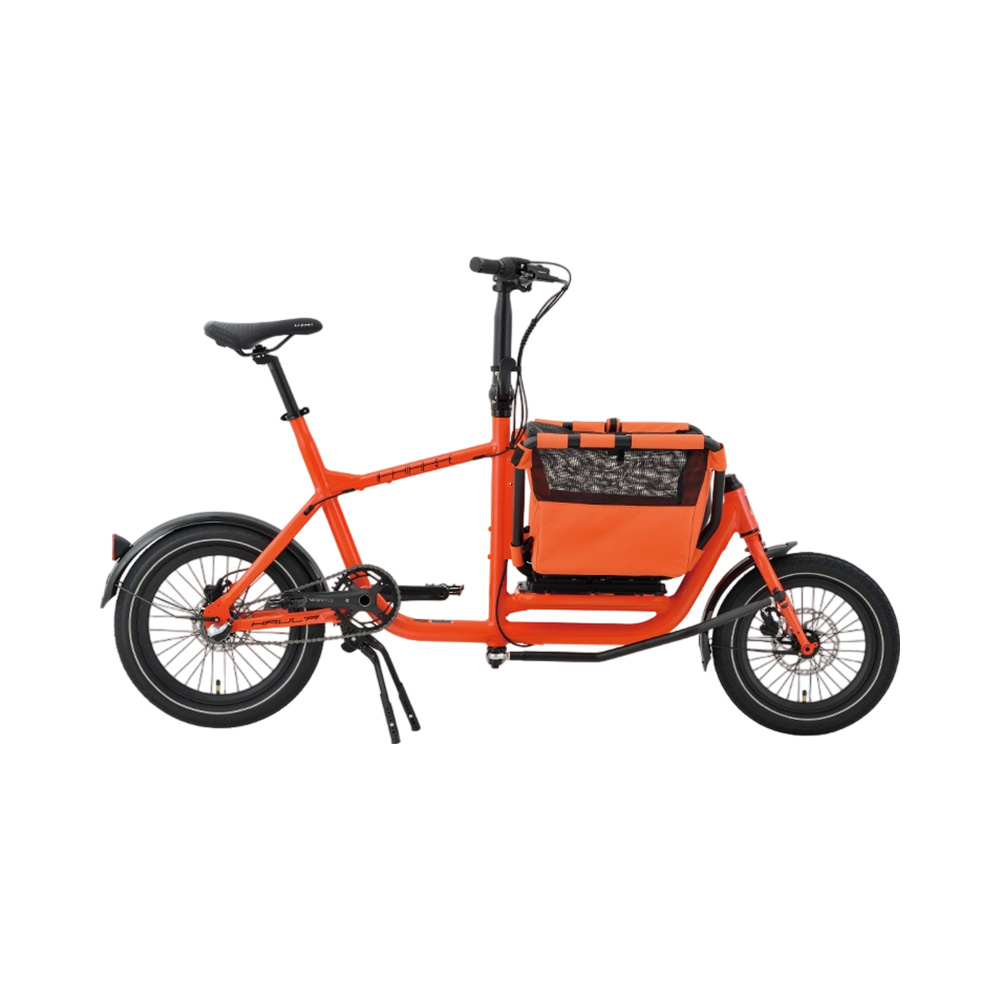
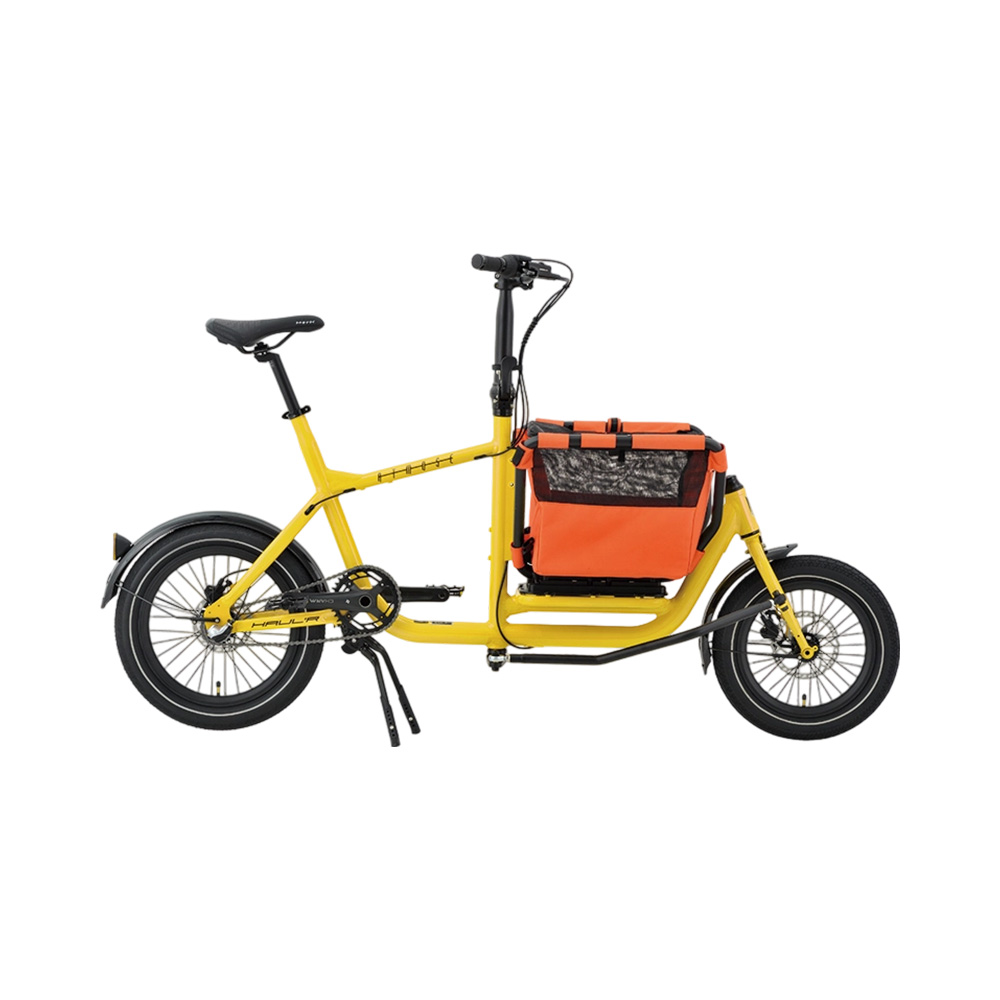
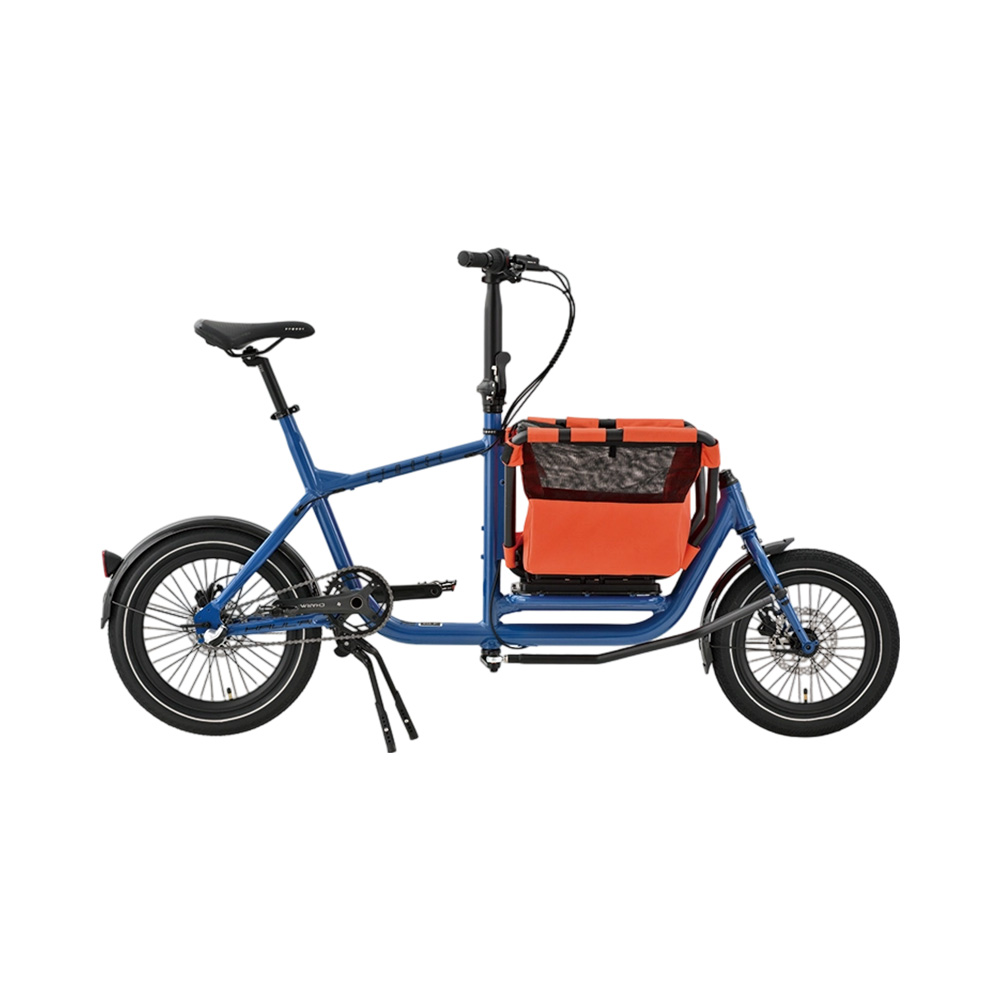
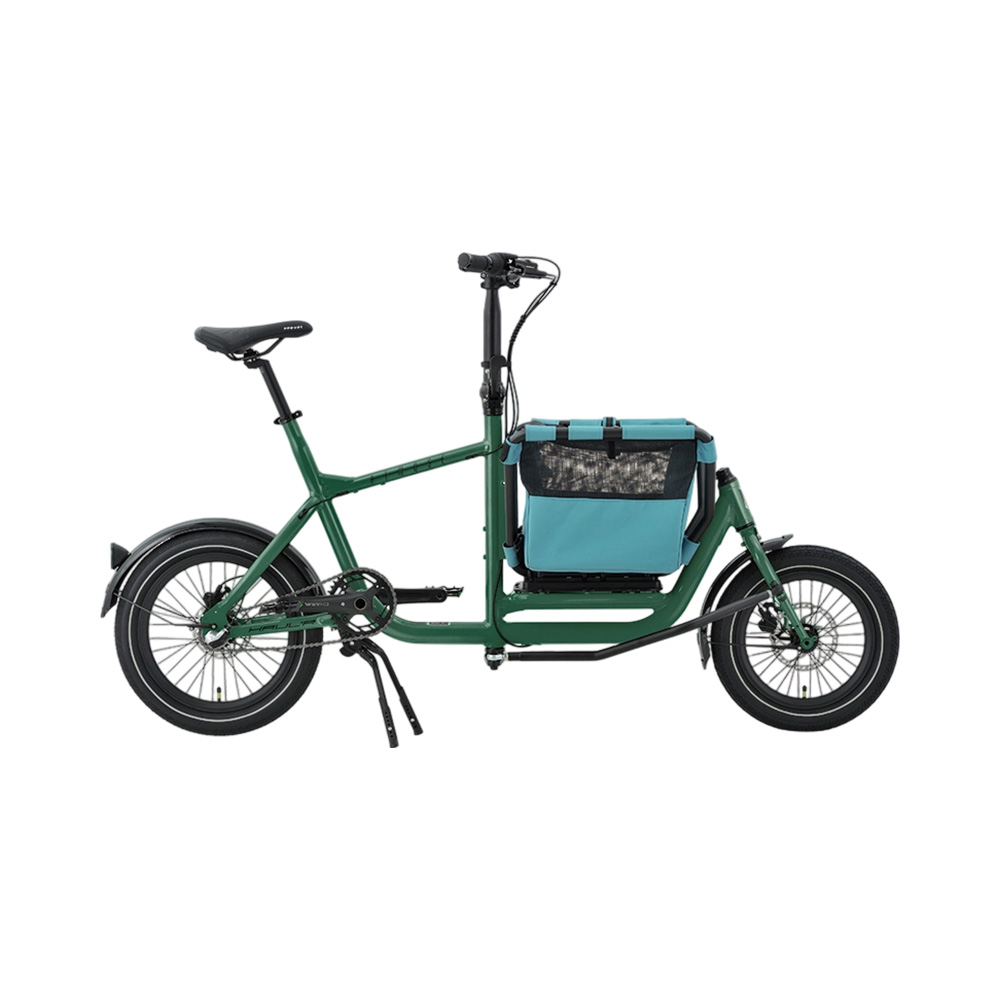
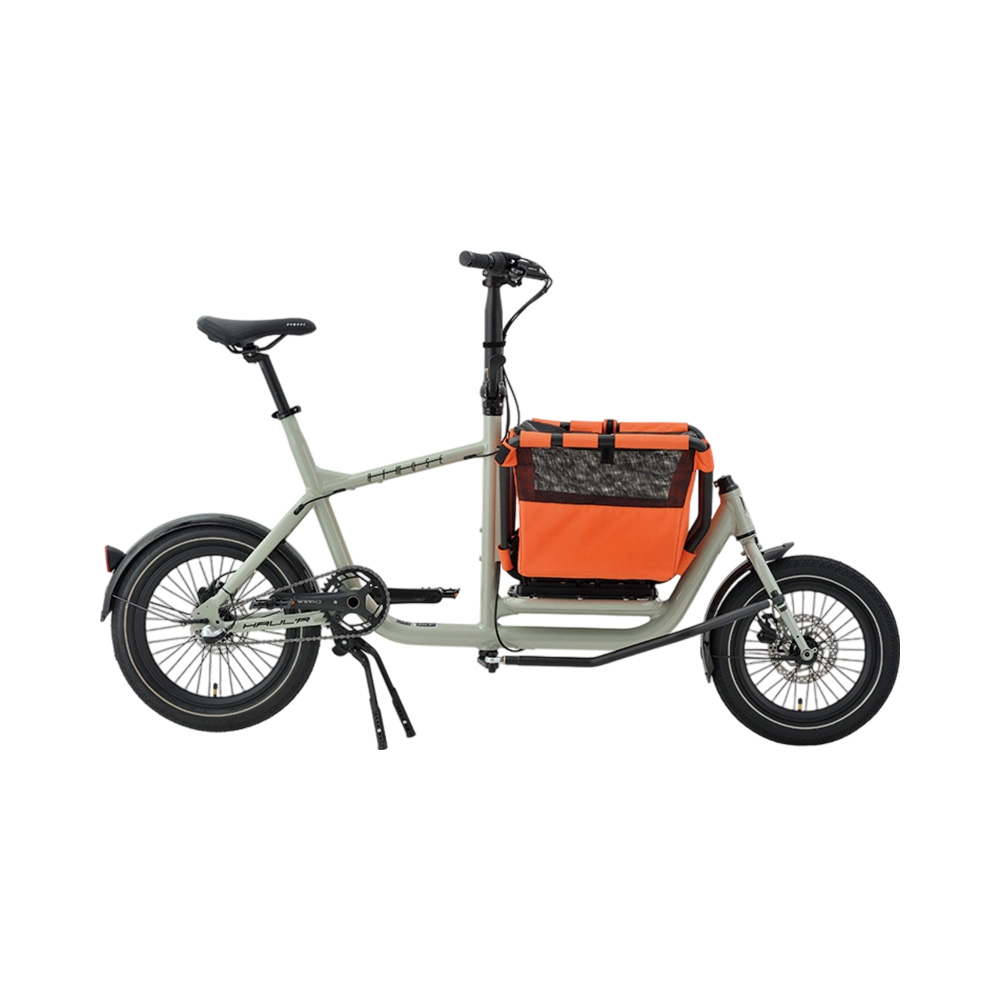
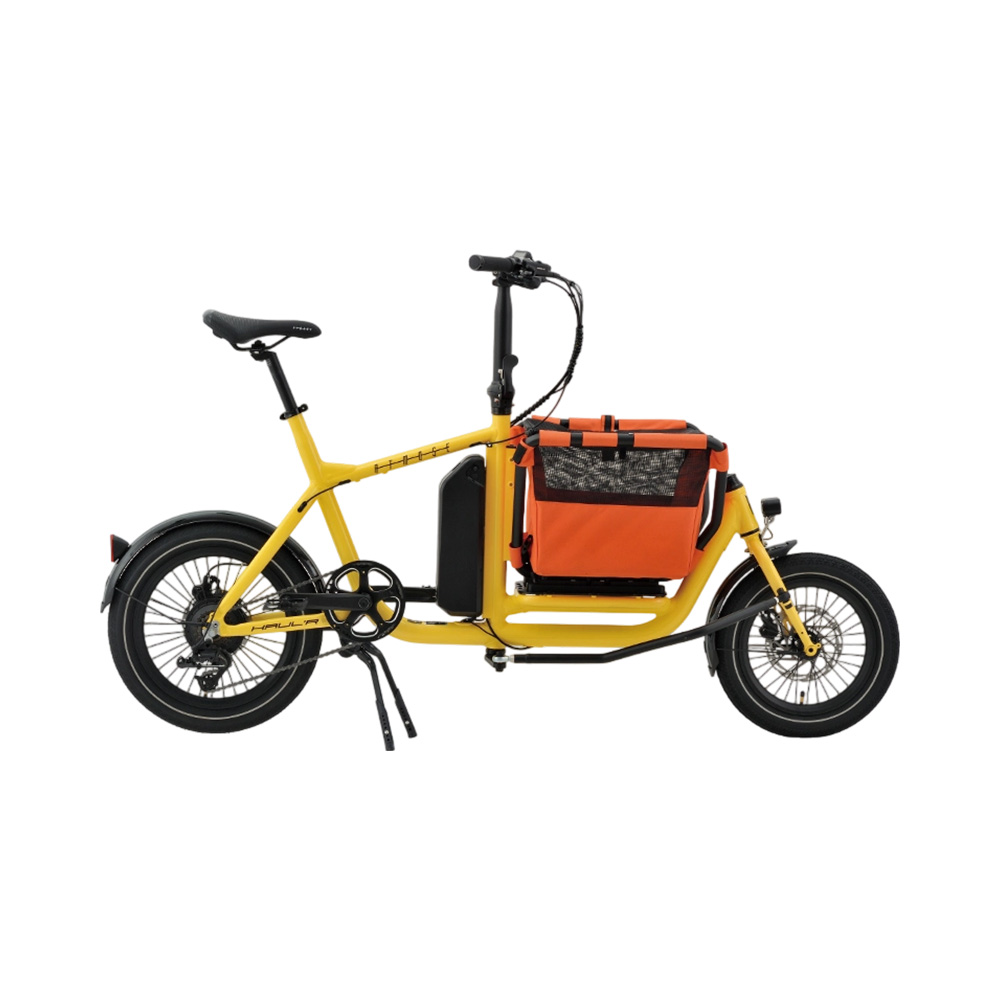
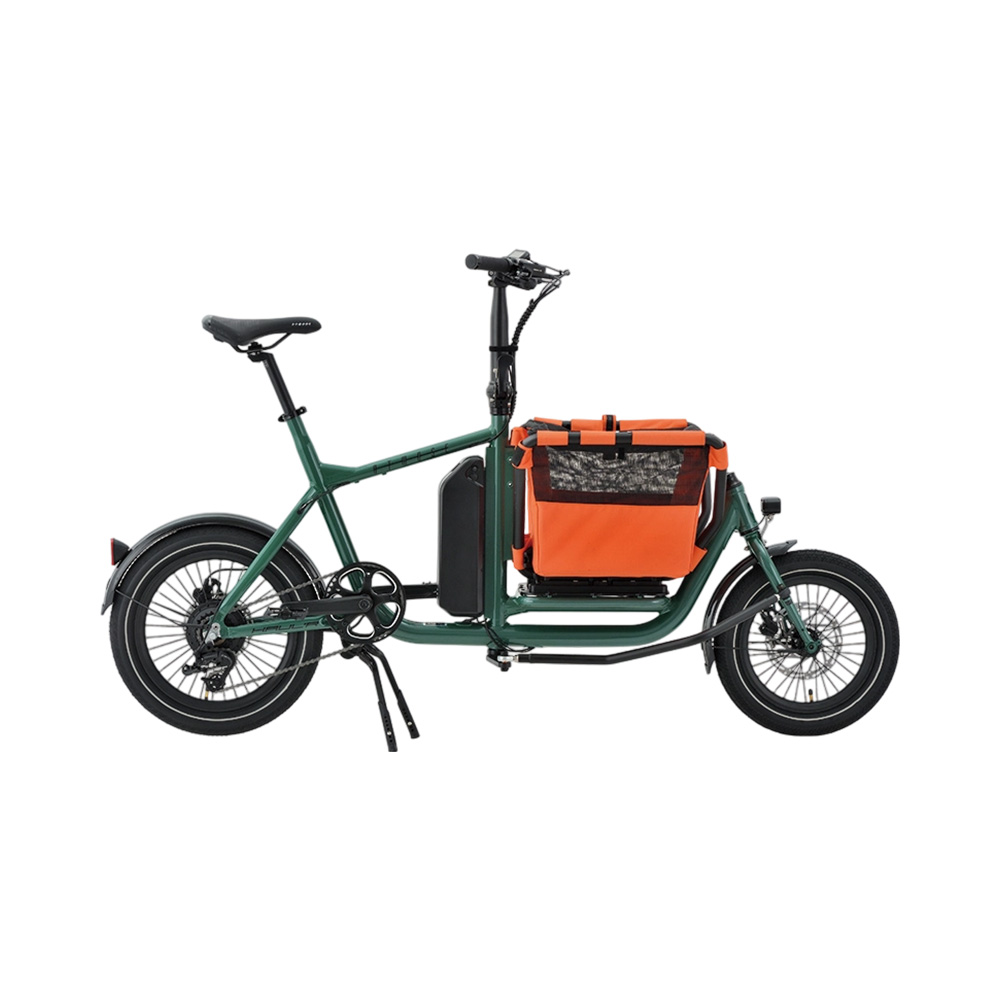
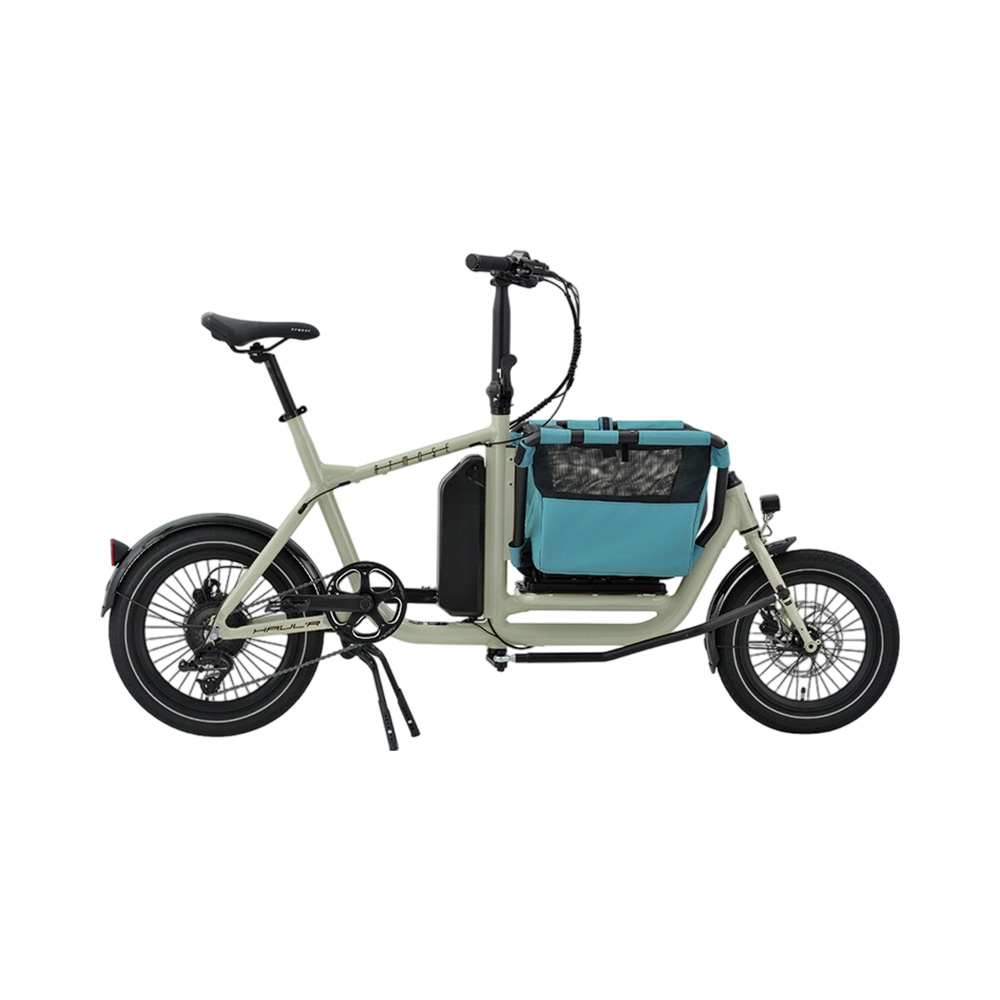
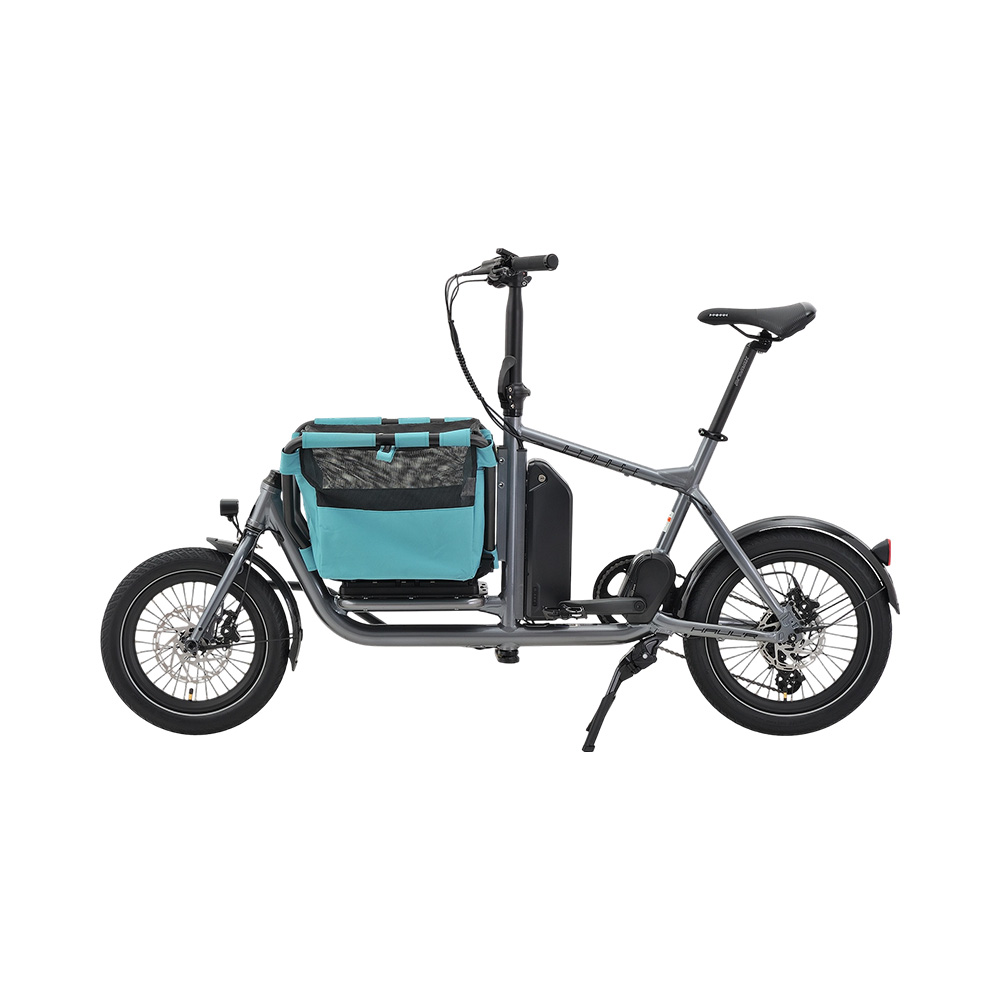
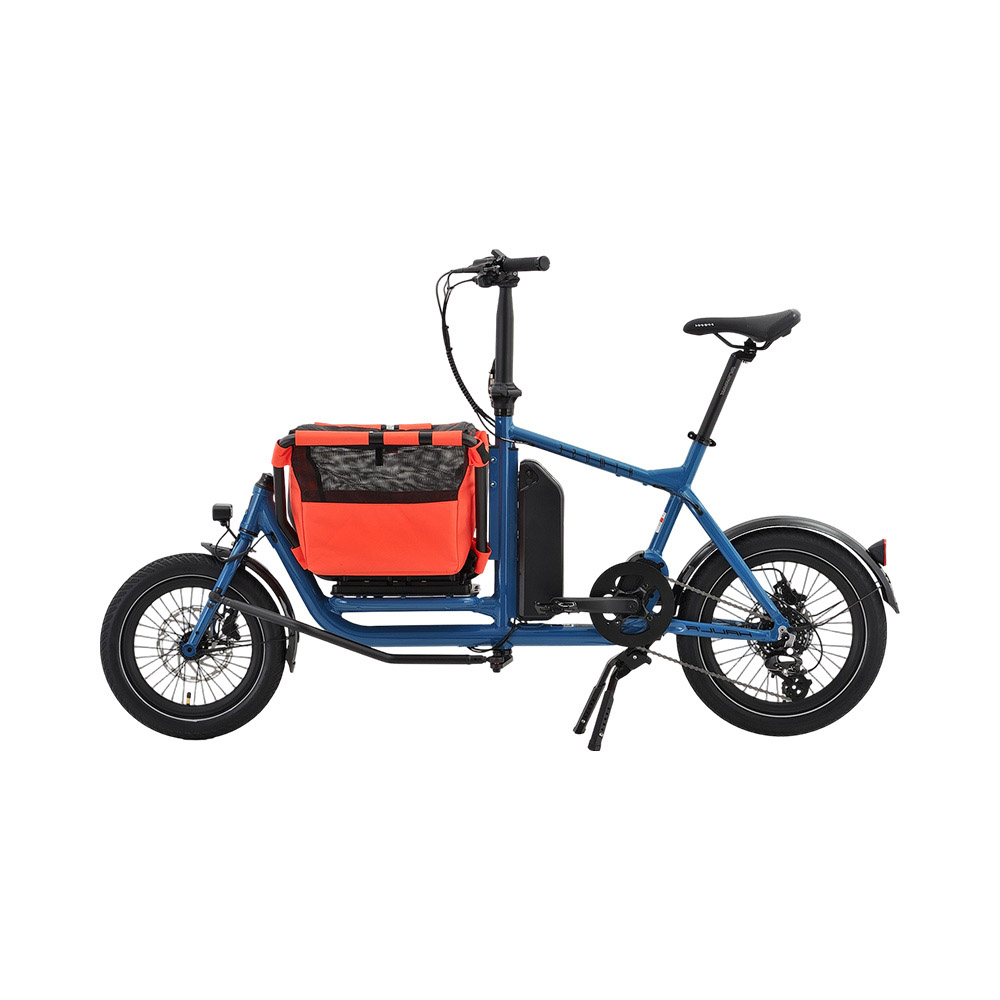
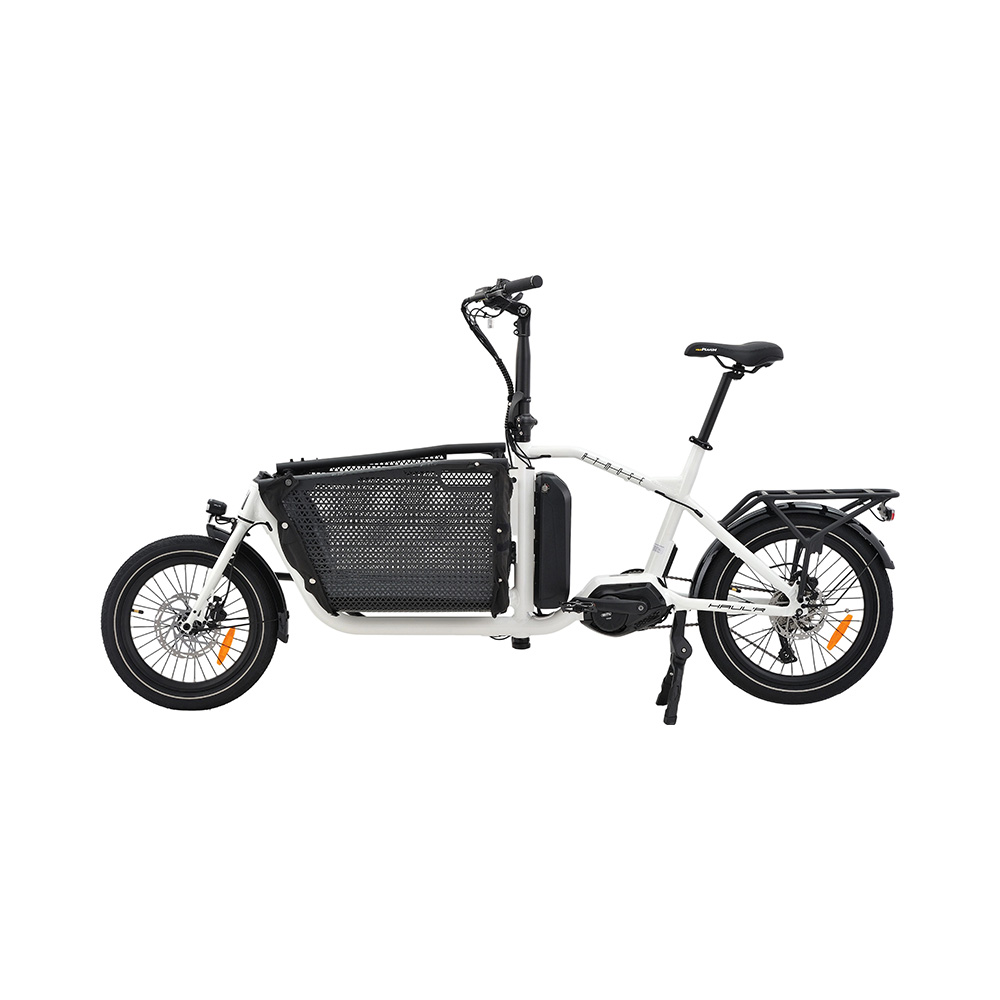
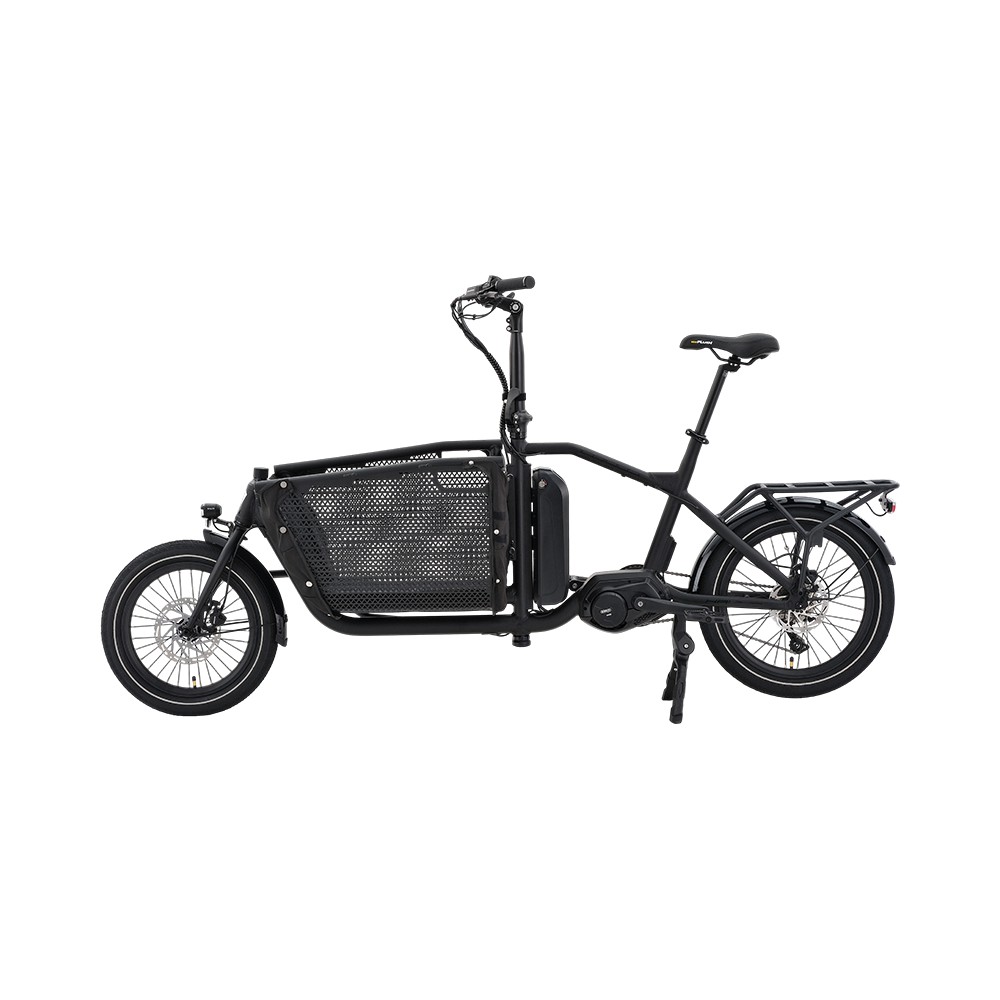
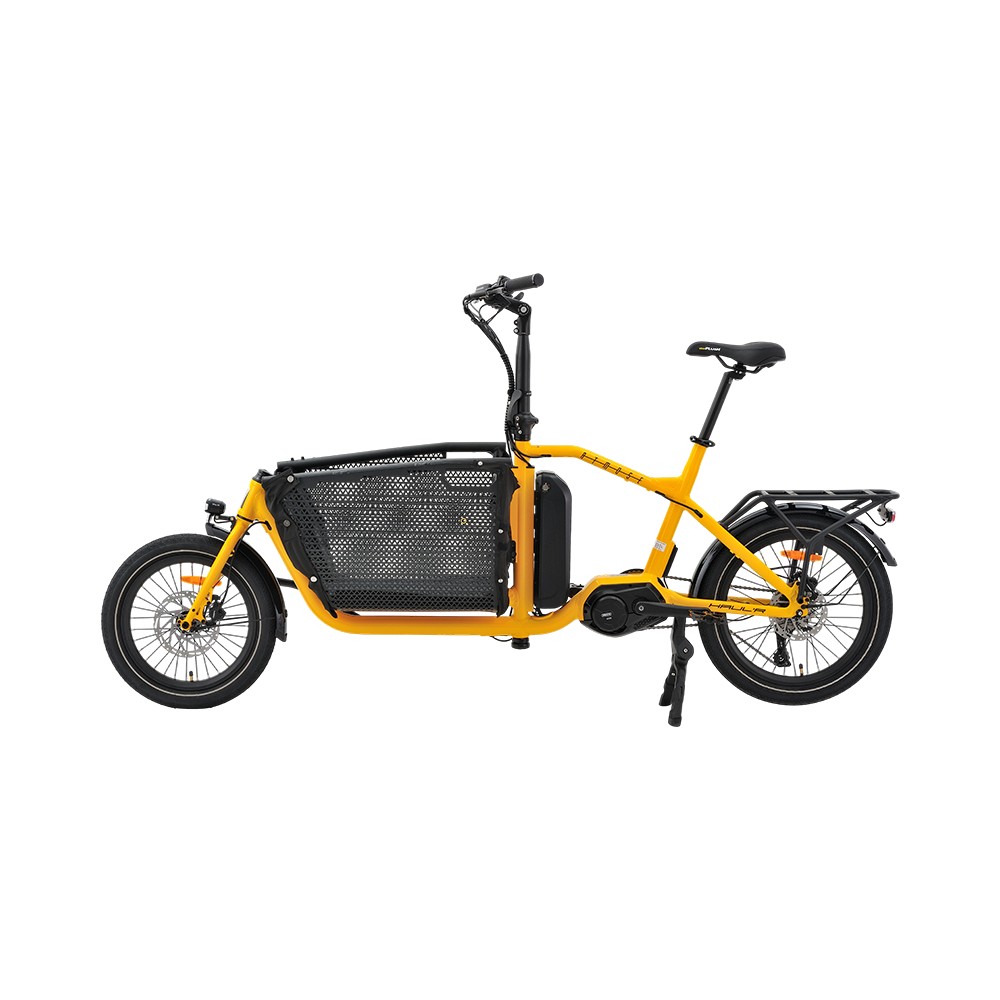
As urban delivery services and local businesses look for practical transport solutions, cargo bikes are becoming an attractive option for moving goods through busy streets. However, carrying heavy loads every day requires more than a large storage area. Frame strength, load stability, battery performance, and braking reliability all affect daily operation. A Heavy-Duty Cargo Bike must handle frequent stops, different road conditions, and repeated loading without creating unnecessary difficulties for riders. As a manufacturer, we focus on these practical requirements to help business buyers select suitable cargo transport solutions.
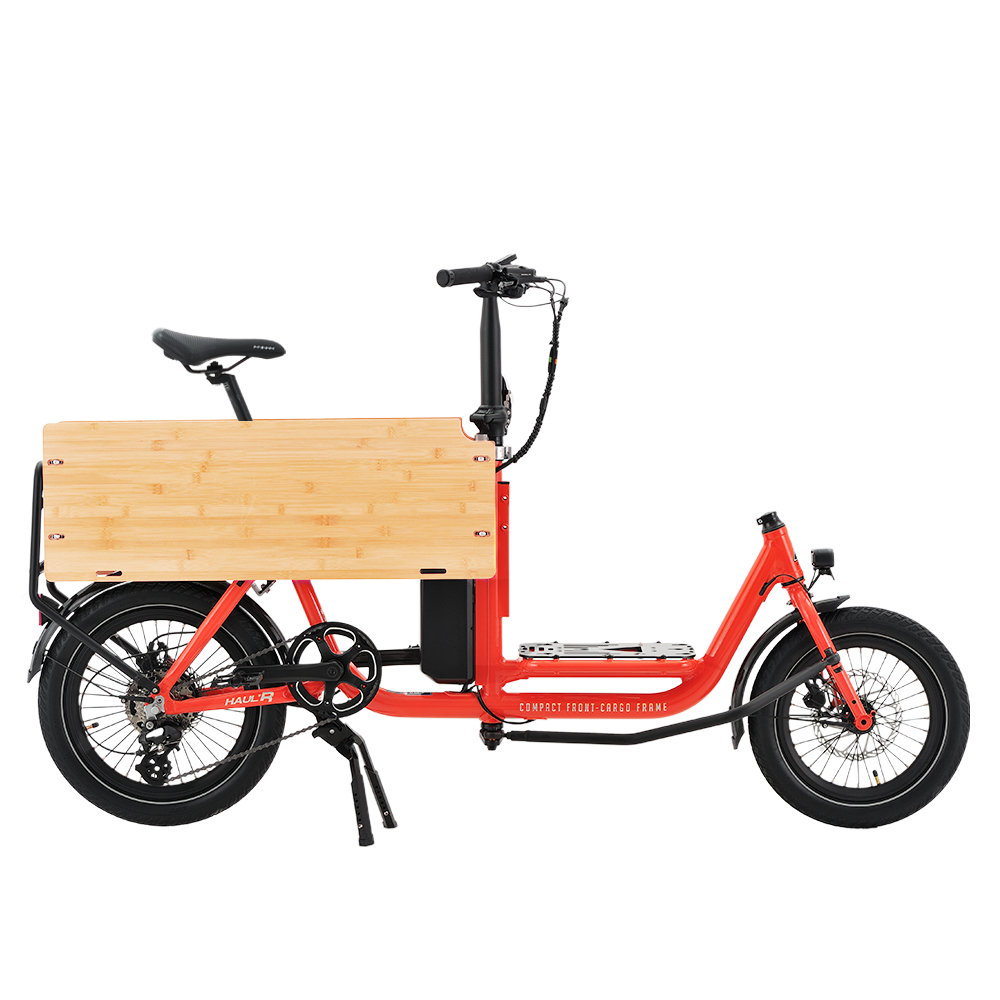
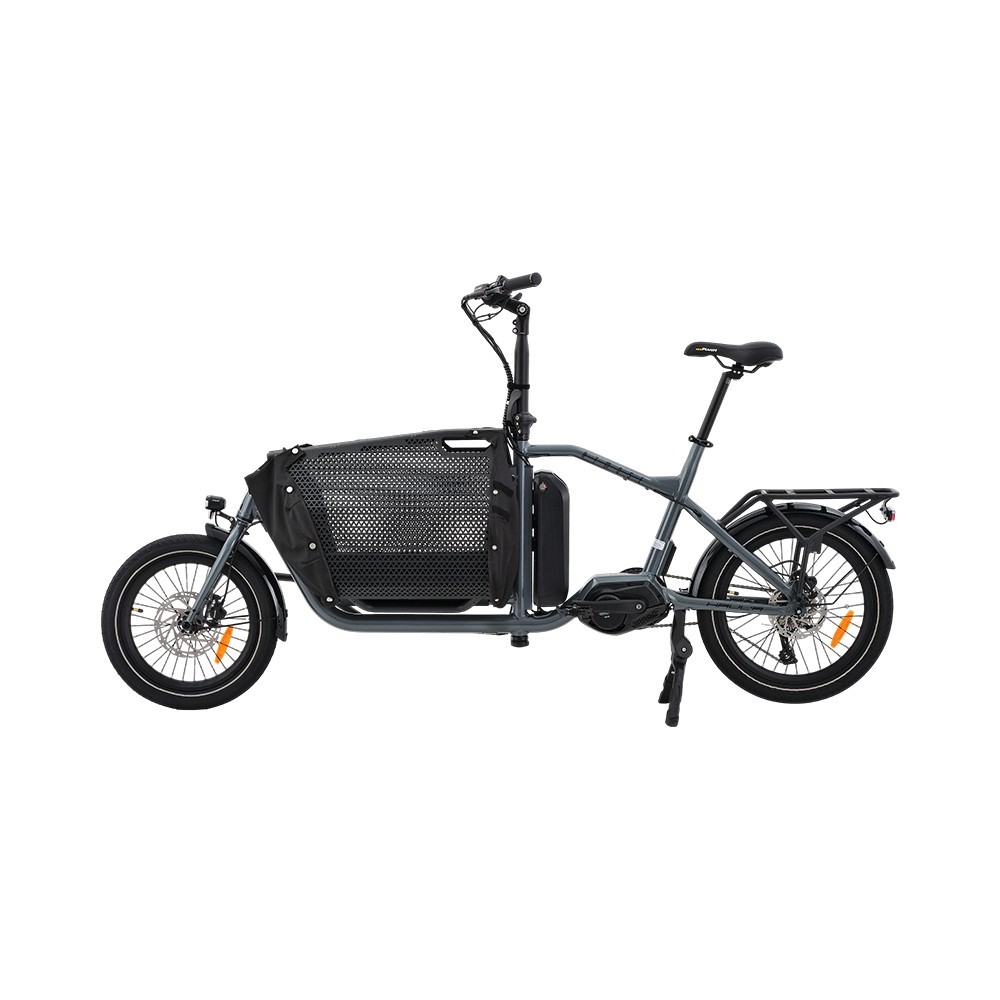
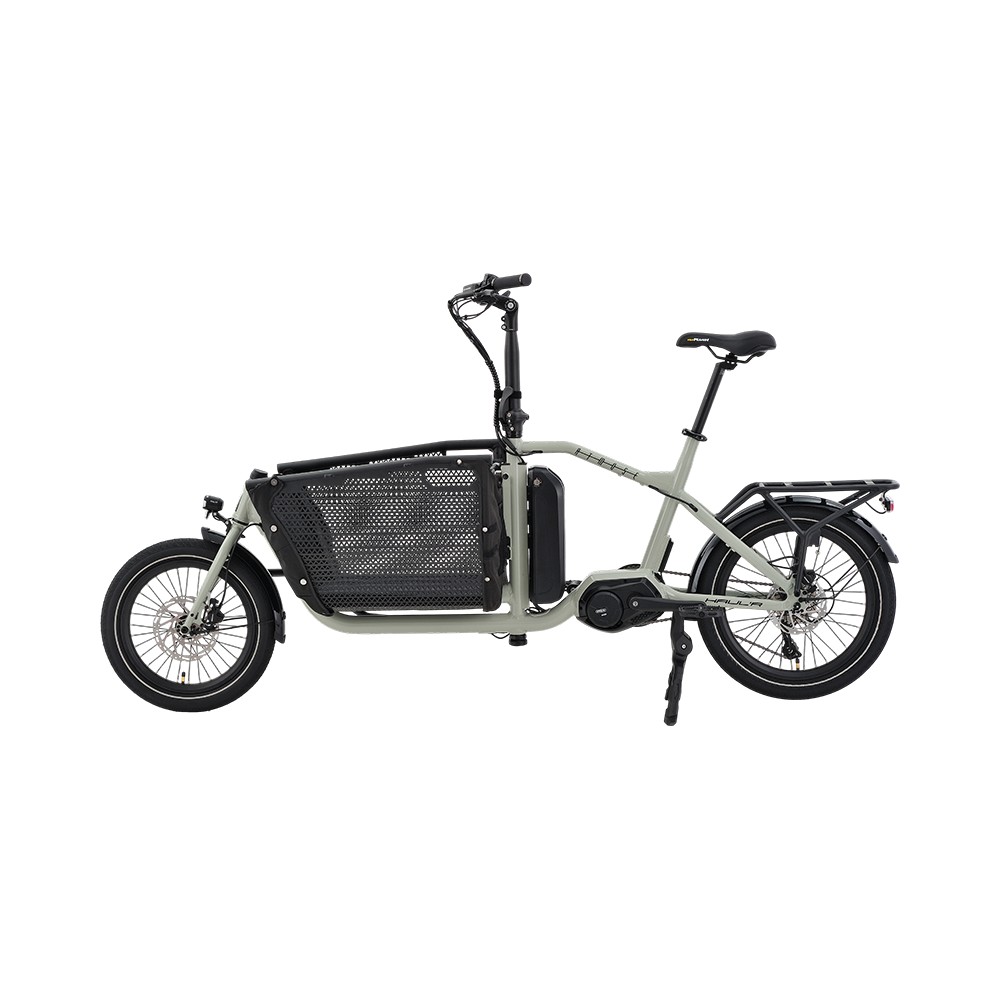
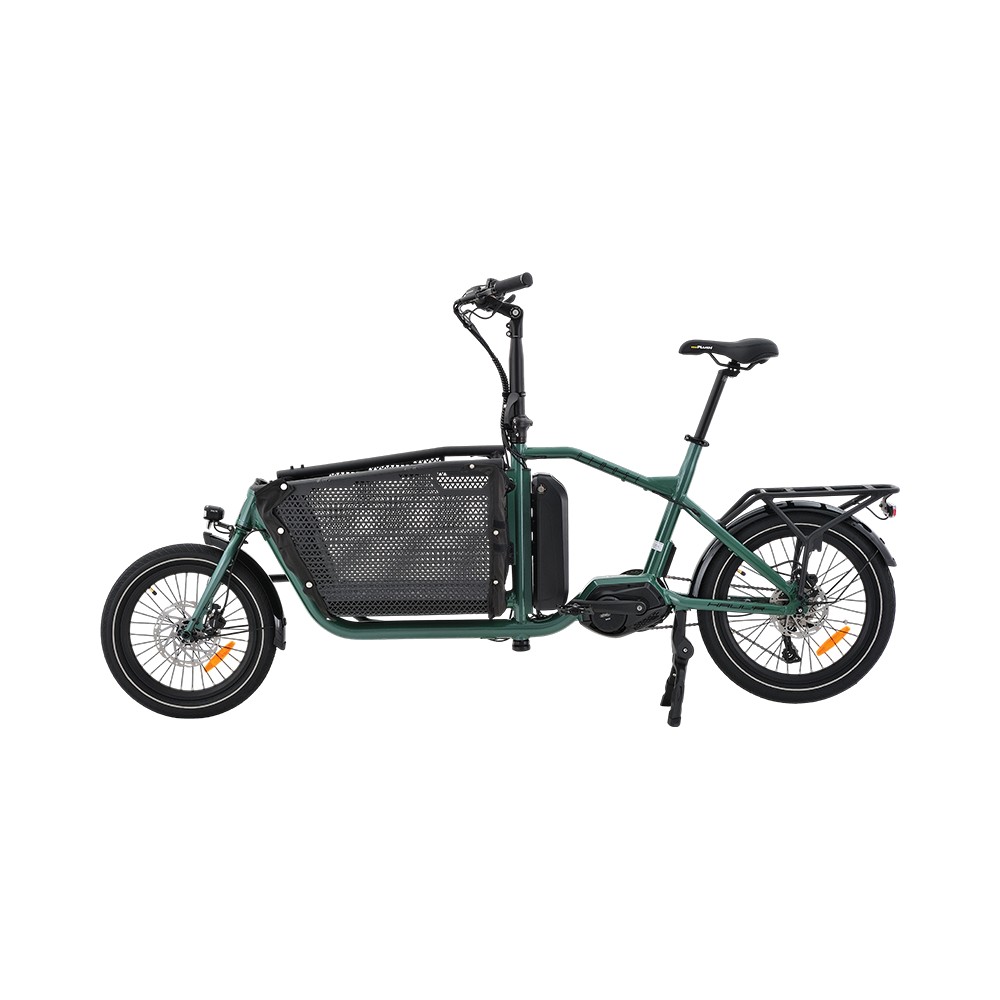
A cargo bike used for commercial delivery faces repeated pressure from heavy goods and uneven roads. Frame materials, welding quality, and structural design all influence its service life.
We focus on frame stability and load distribution during product development. Buyers should also check the rated payload and gross vehicle weight to ensure the bike matches their intended application.
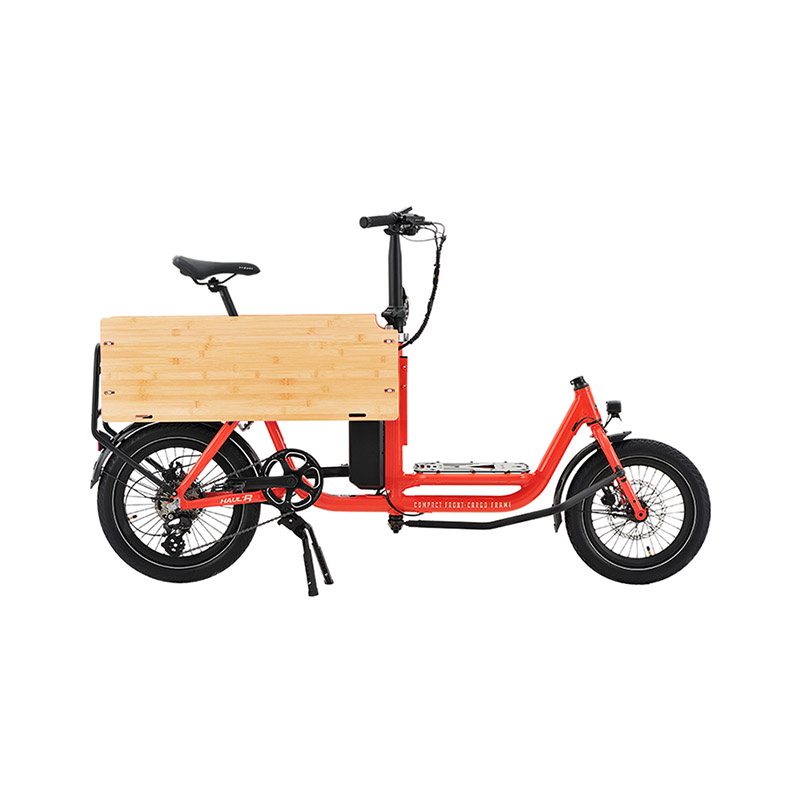
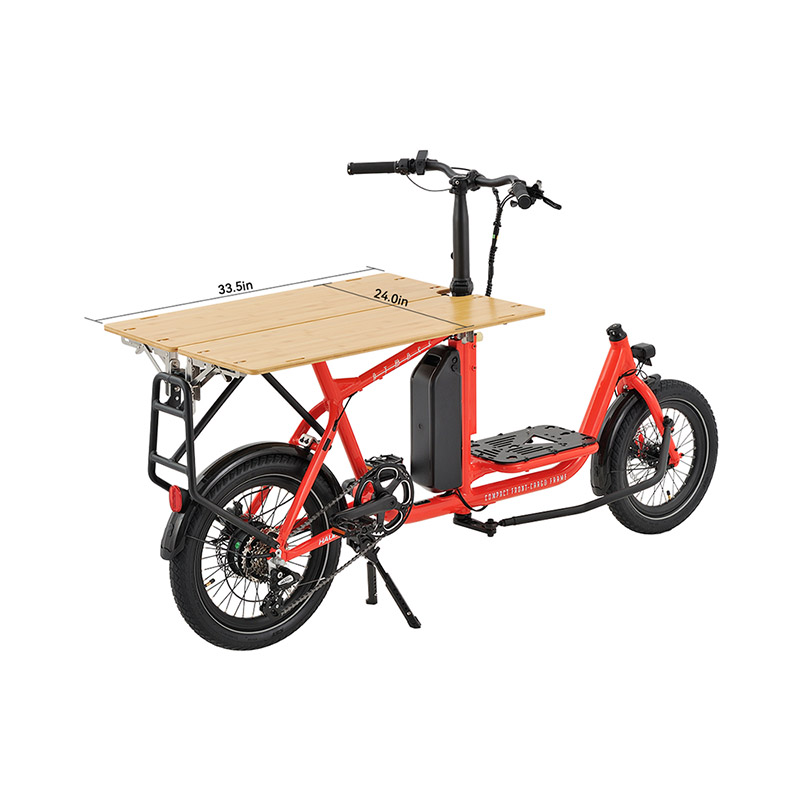
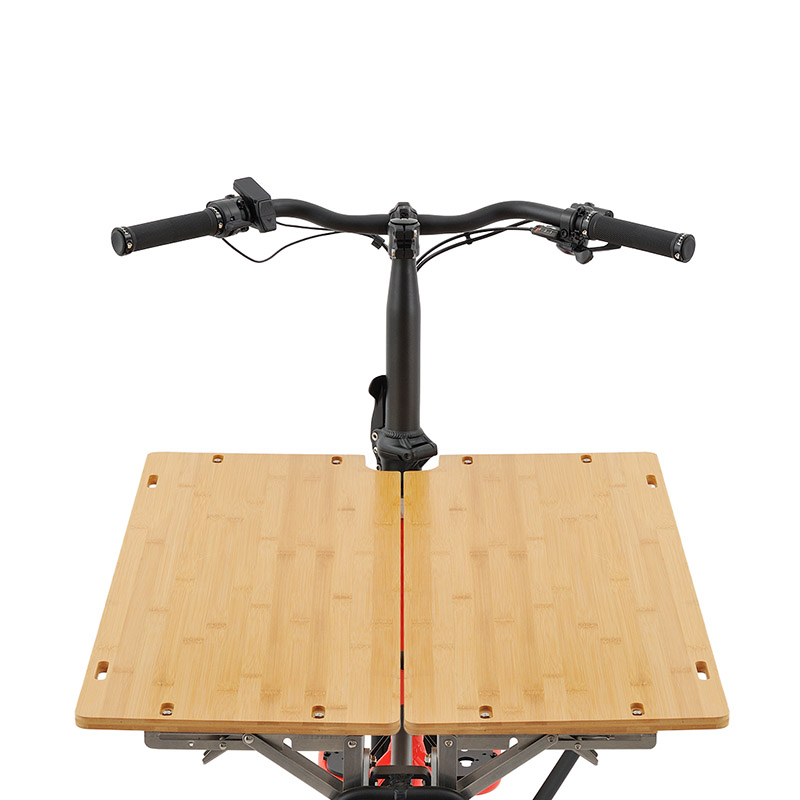
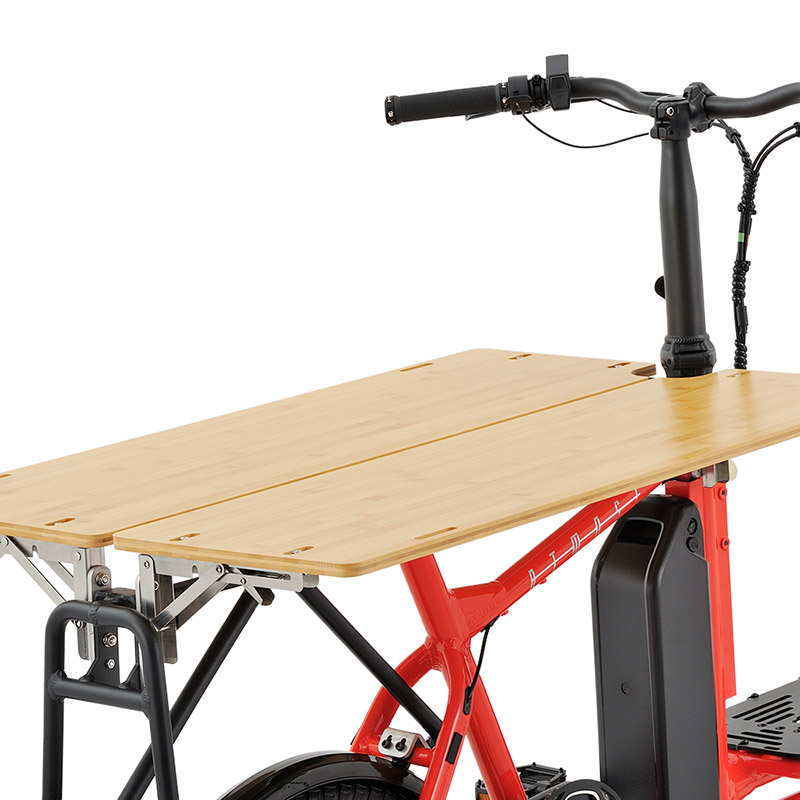
A large cargo platform is useful, but how goods are positioned matters just as much. Poorly balanced loads can affect steering, especially when turning or braking.
For daily operations, businesses should consider:
These details help make delivery work more manageable.
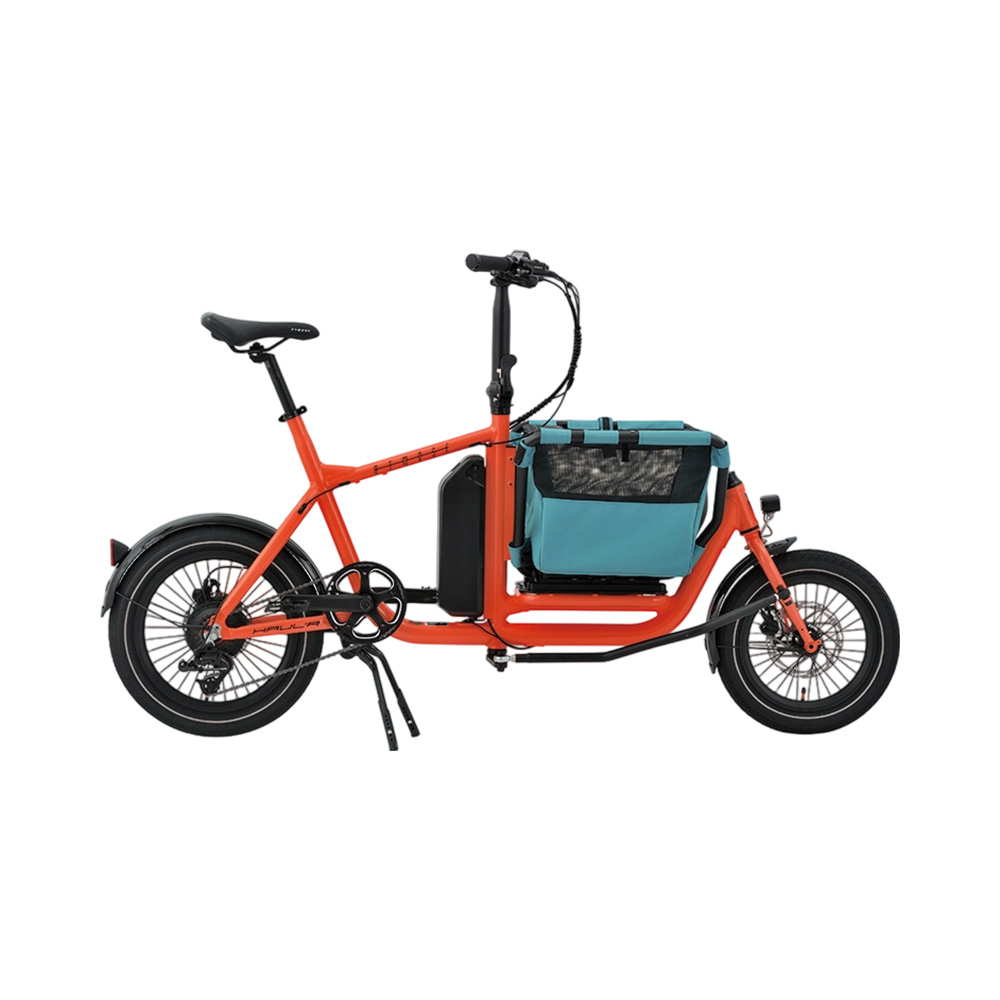
For electric cargo bikes, battery capacity directly affects daily scheduling. Frequent stops, uphill roads, and heavier loads may increase power consumption.
When selecting an electric Heavy-Duty Cargo Bike, buyers should compare battery capacity, motor compatibility, charging time, and removable battery options. Actual route conditions and cargo weight should also be considered when evaluating riding range.
A fully loaded cargo bike needs reliable braking performance, particularly on slopes and busy urban roads. Hydraulic disc brakes are worth considering for applications involving frequent stops and heavier cargo.
Tyre grip, wheel strength, and overall brake configuration should also be checked. These components work together to support stable handling and rider confidence.
Commercial bikes require regular inspections. Brake pads, tyres, fasteners, and drivetrain components may need attention after repeated use.
As a manufacturer, we believe convenient maintenance should be considered during product development. Accessible components, clear maintenance instructions, and spare parts availability can help businesses reduce operational interruptions.
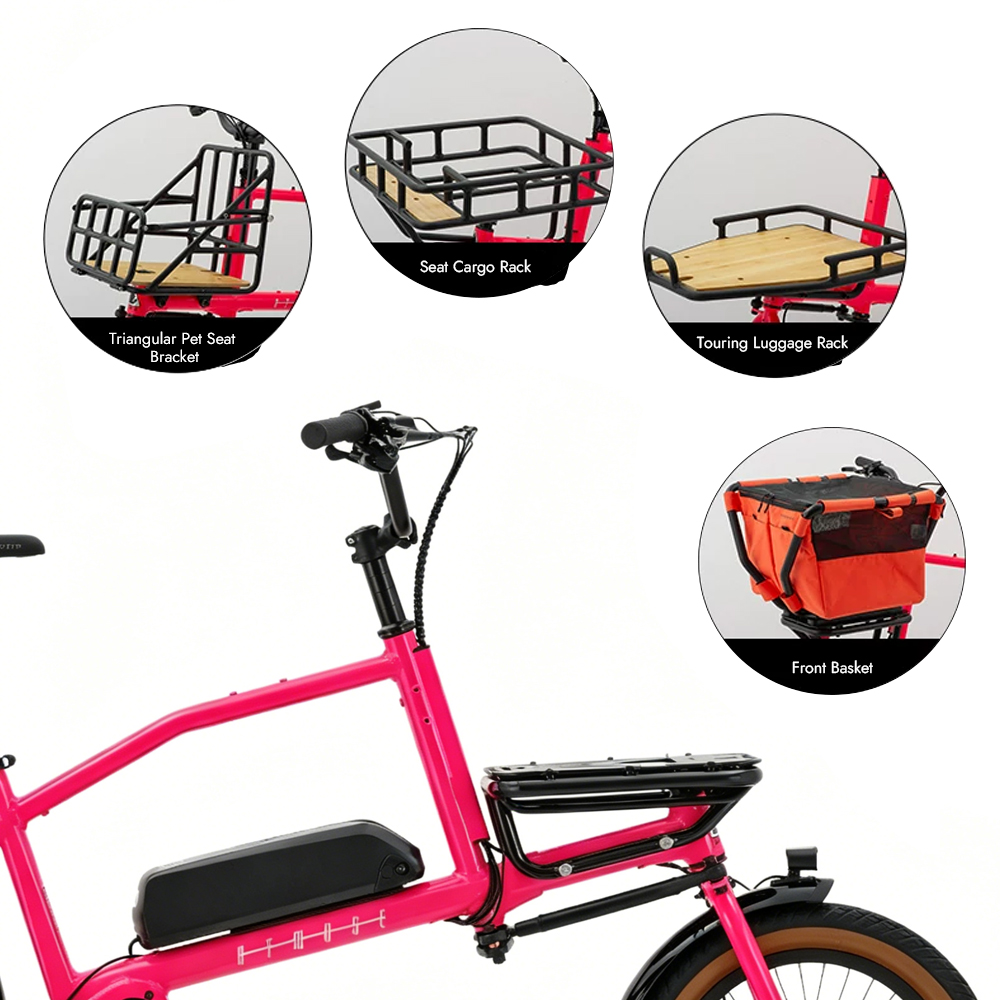
Electric cargo bikes are attracting interest from businesses involved in urban logistics and local distribution. Different cargo configurations allow them to serve several applications:
The appropriate configuration depends on cargo dimensions, delivery frequency, and road conditions.
For importers, distributors, and fleet operators, product specifications are only part of the purchasing decision. Manufacturing consistency, component quality, customization options, spare parts, and after-sales support also deserve attention.
Before placing a bulk order, buyers should confirm payload capacity, frame construction, battery specifications, braking configuration, and warranty arrangements. Sharing the intended application with the manufacturer also helps identify a suitable model.
A well-designed Heavy-Duty Cargo Bike combines strong construction, stable handling, dependable battery performance, and convenient maintenance. By focusing on these practical factors, businesses can choose cargo transport equipment that supports everyday delivery operations and long-term fleet requirements.
Nov 06, 2026
Oct 26, 2026
Oct 23, 2026


info@atmosecargobike.com

200 rue de la Croix Nivert 75015 Paris

Custom Electric Bakfiets
 English
 Français
 Deutsch