Sep 04, 2026
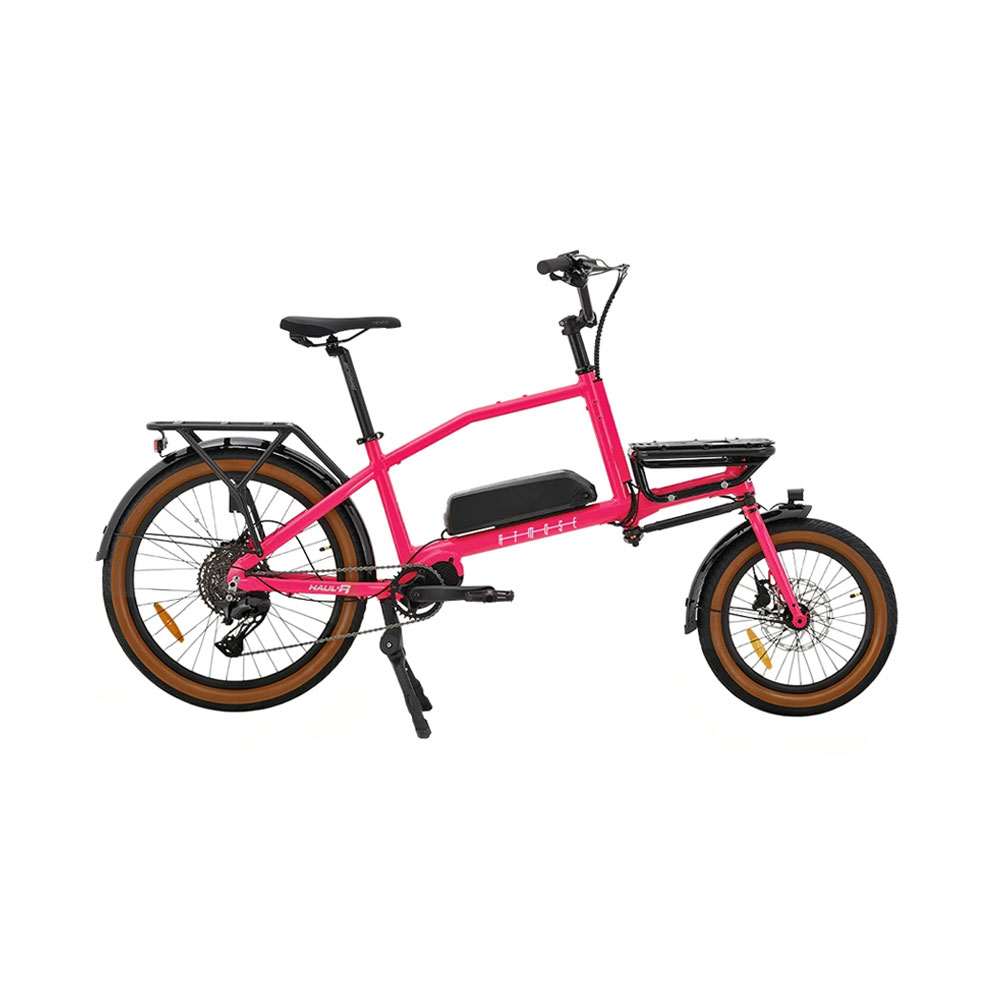
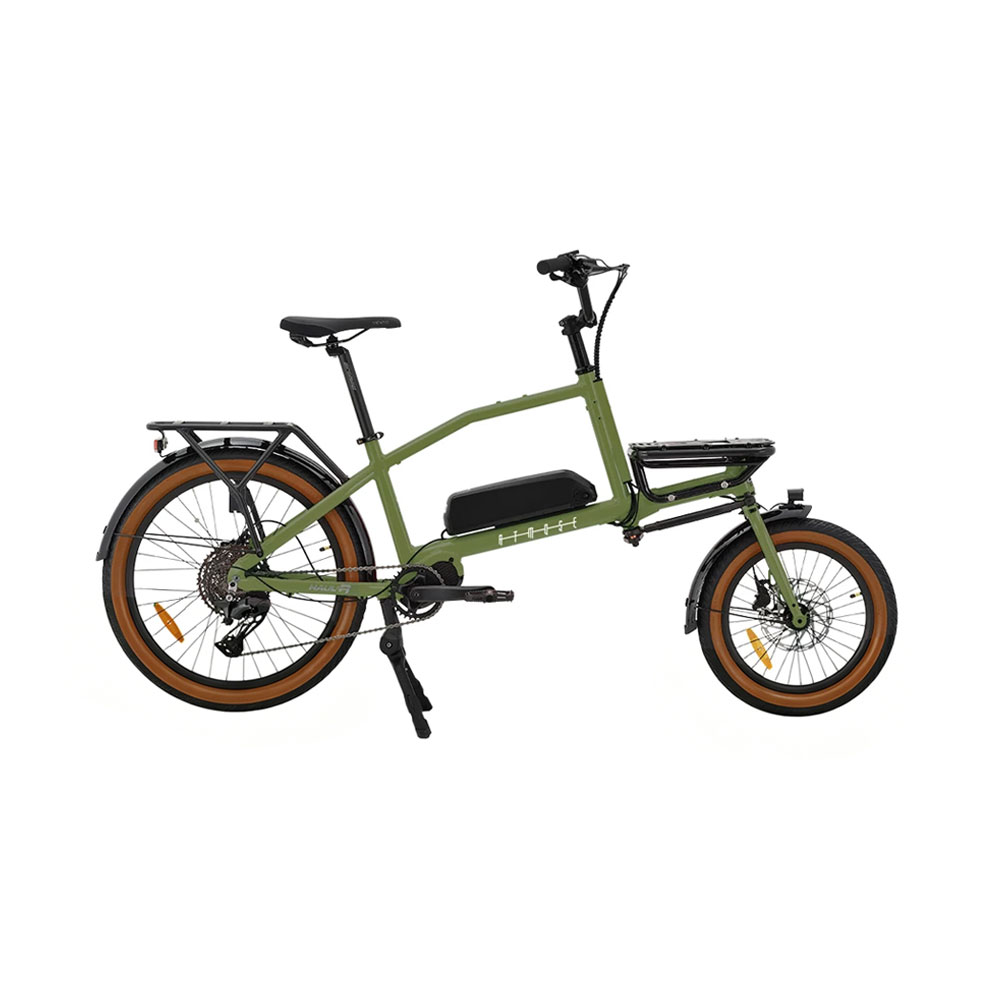
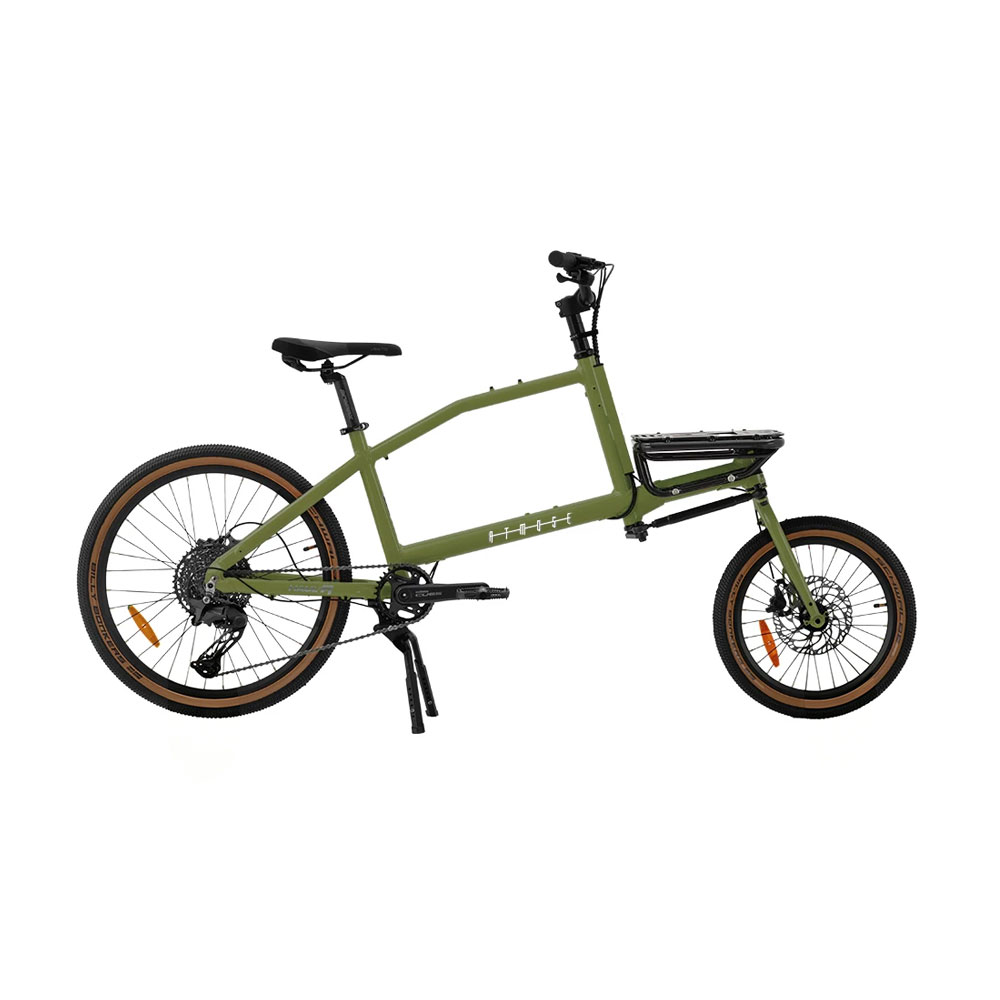
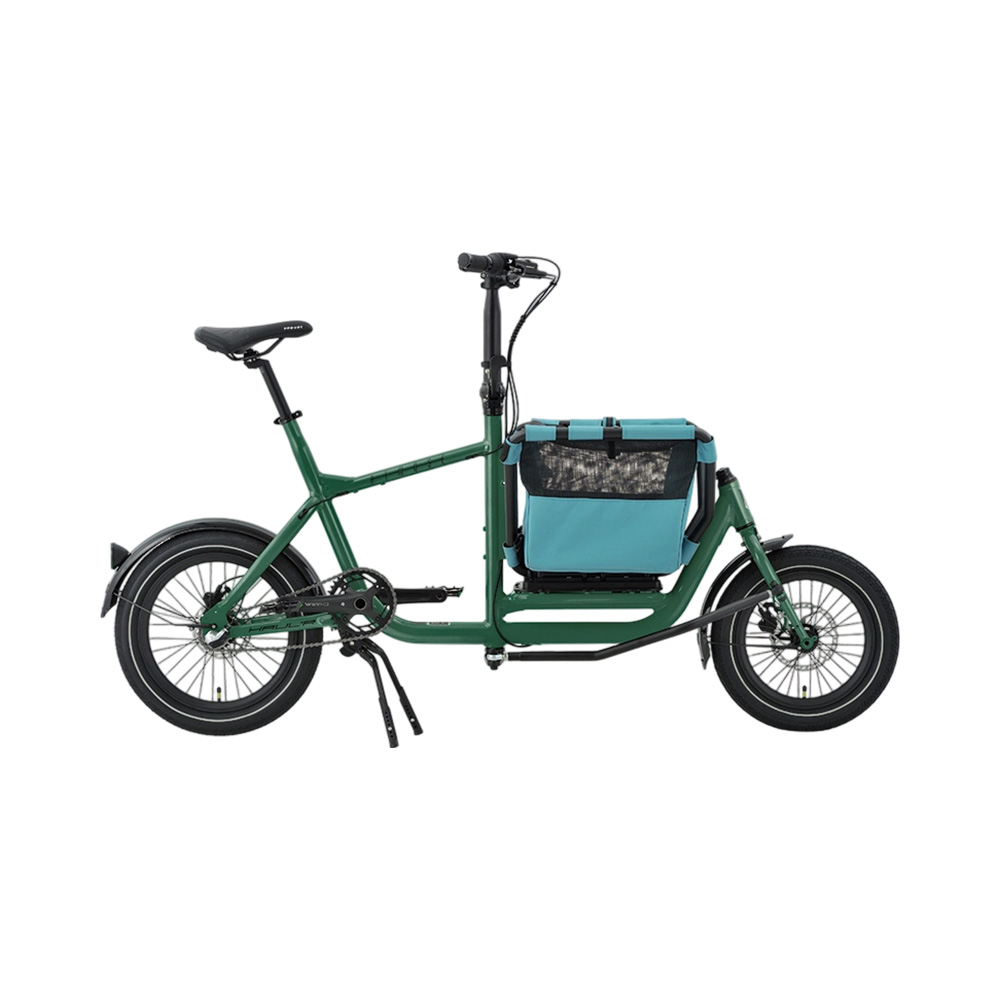
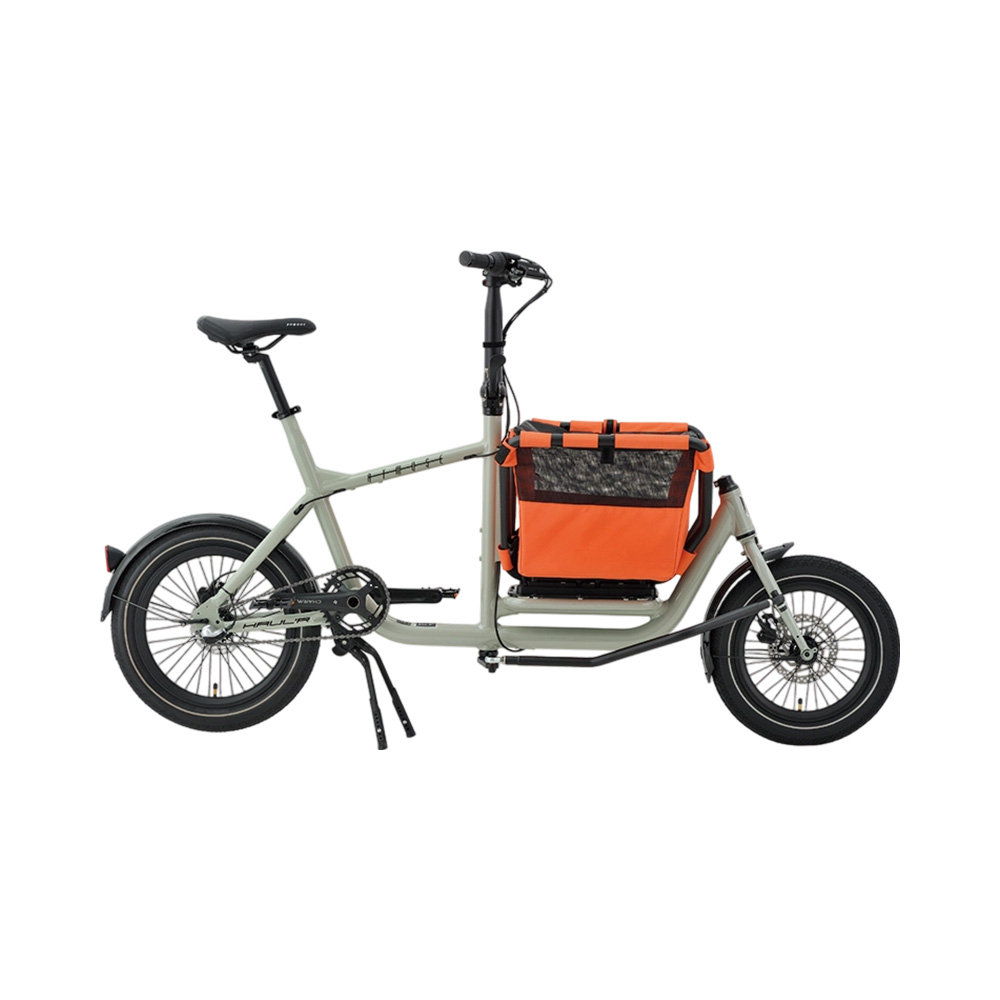
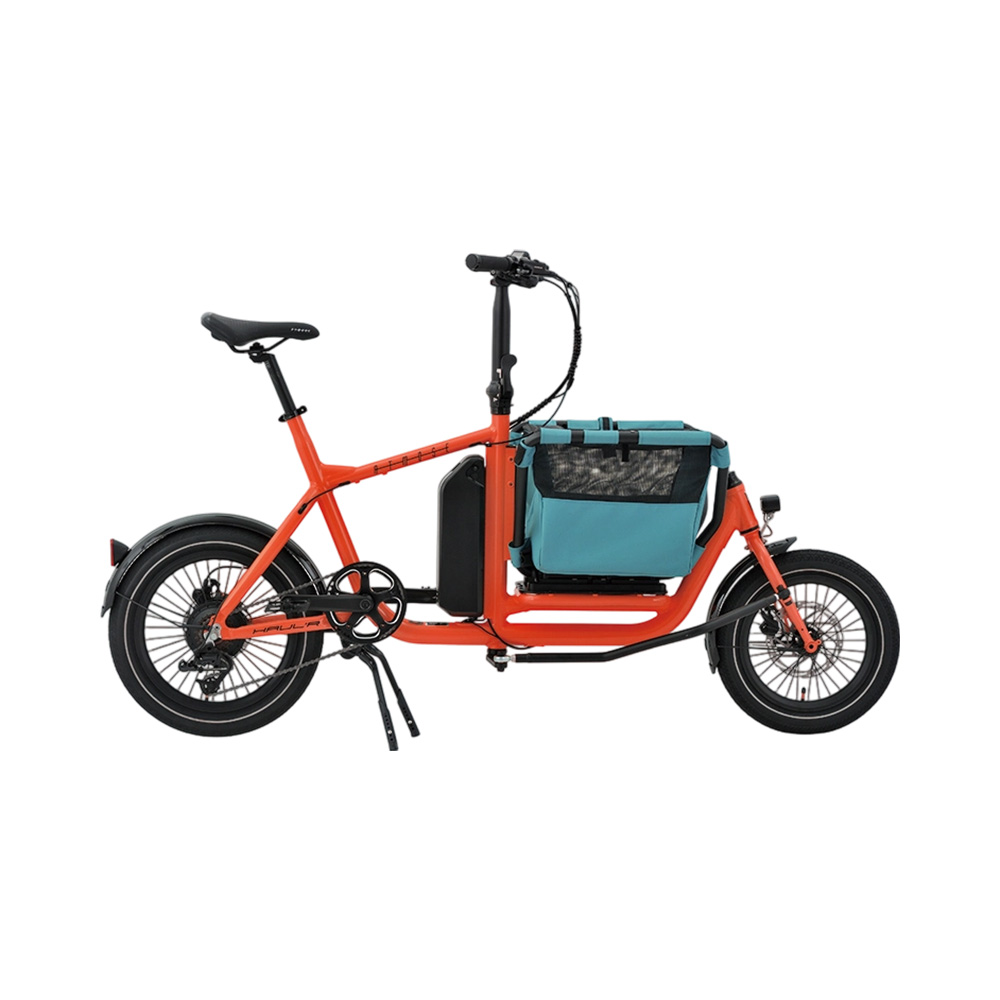
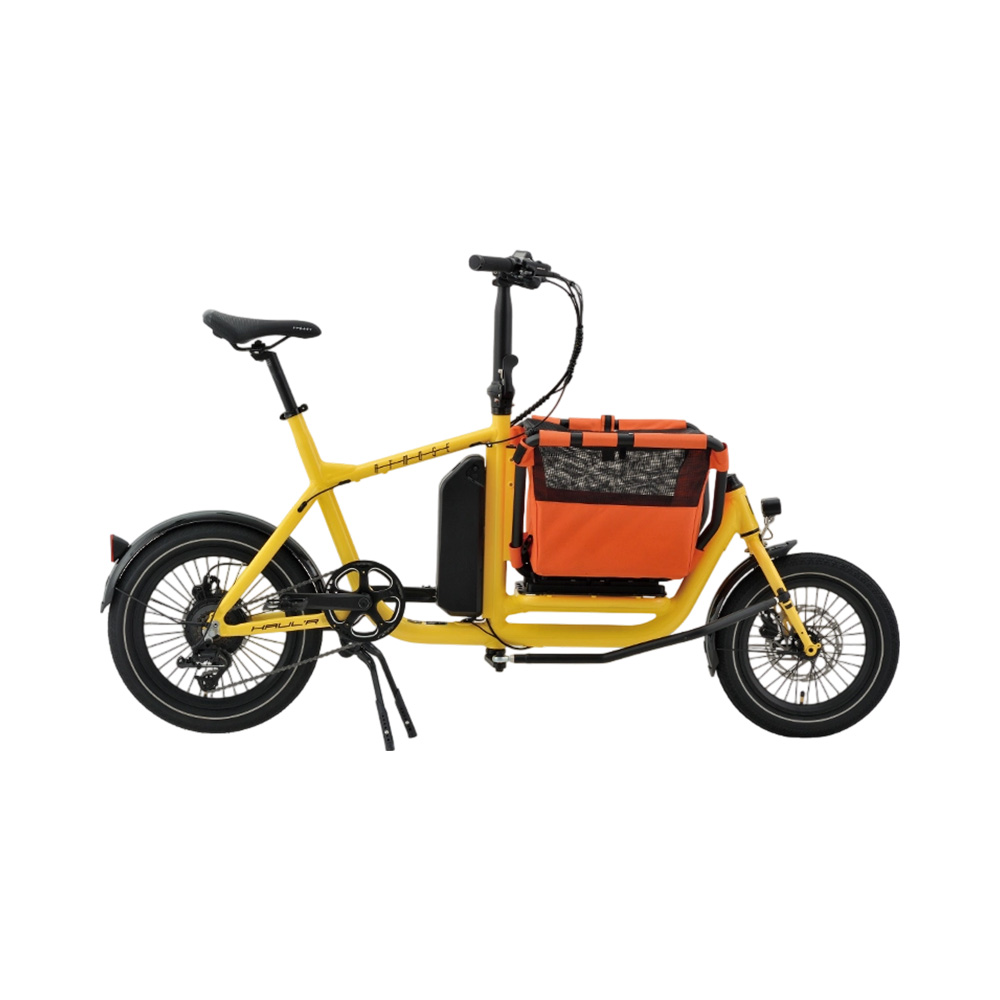
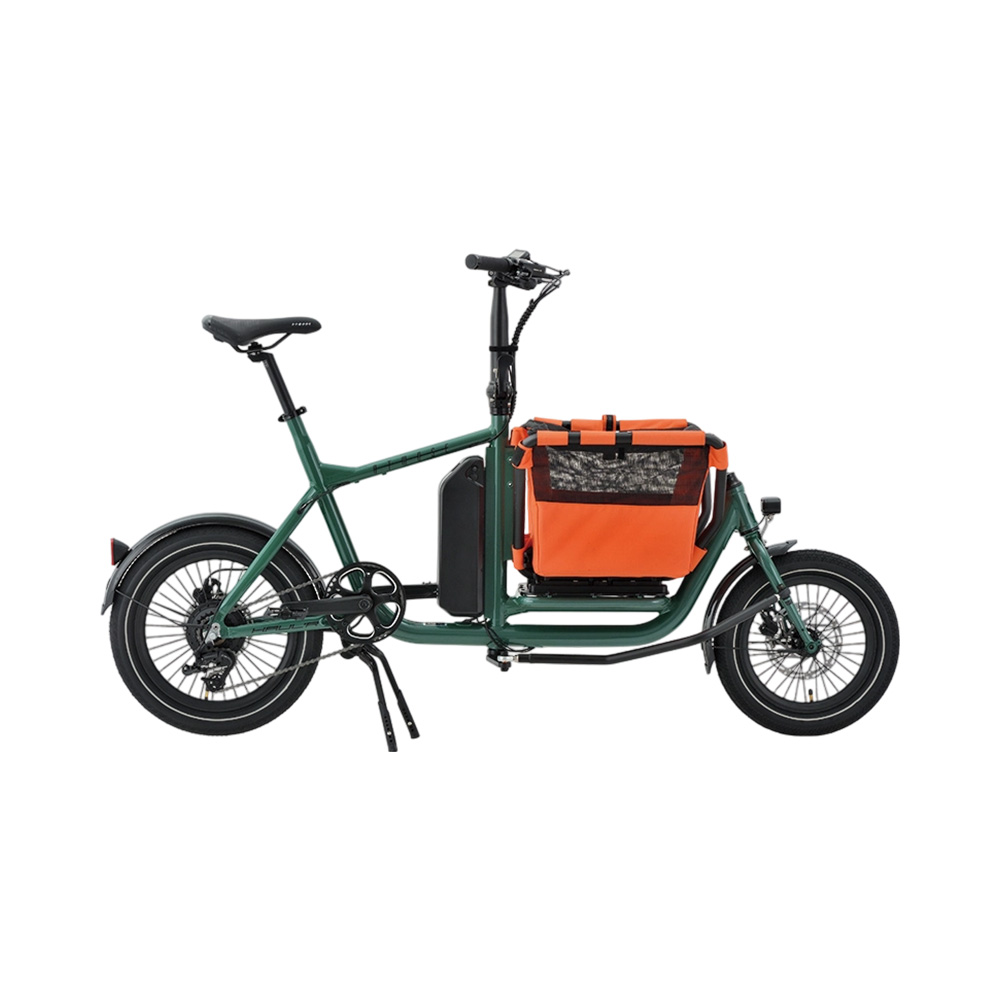
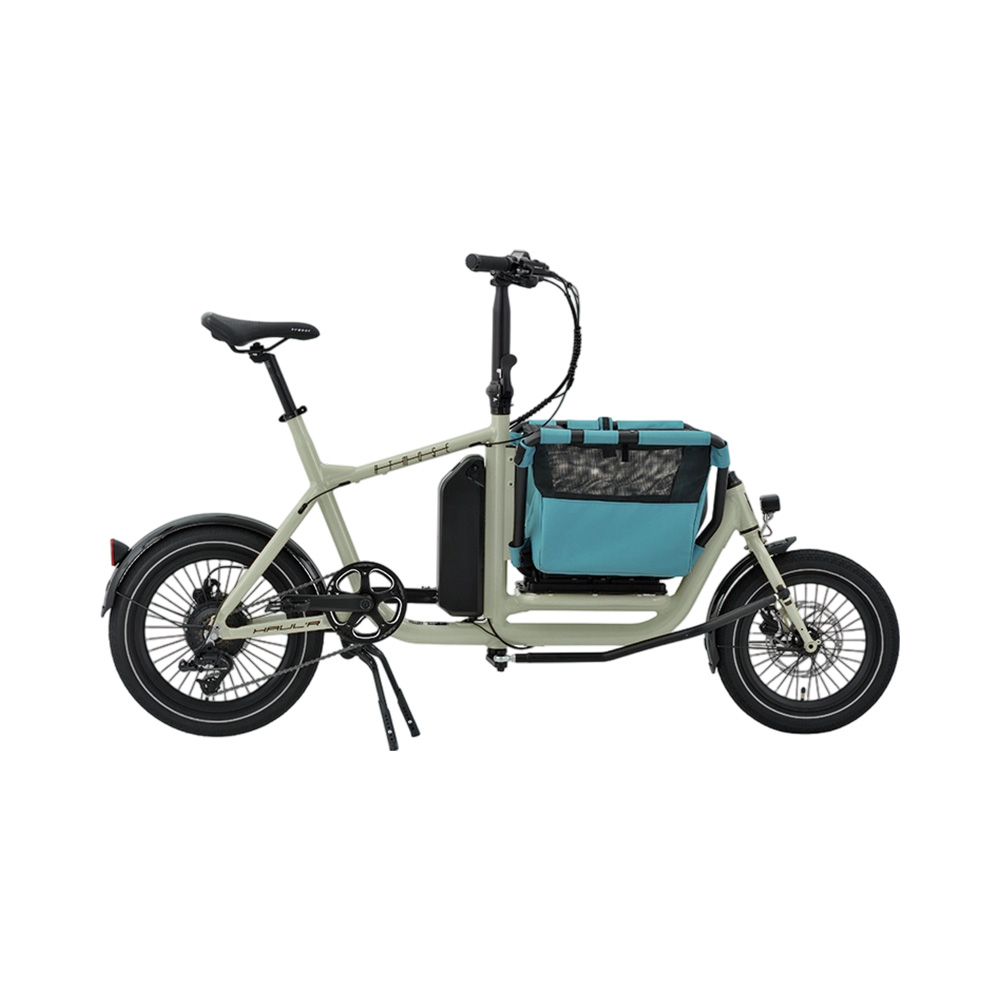
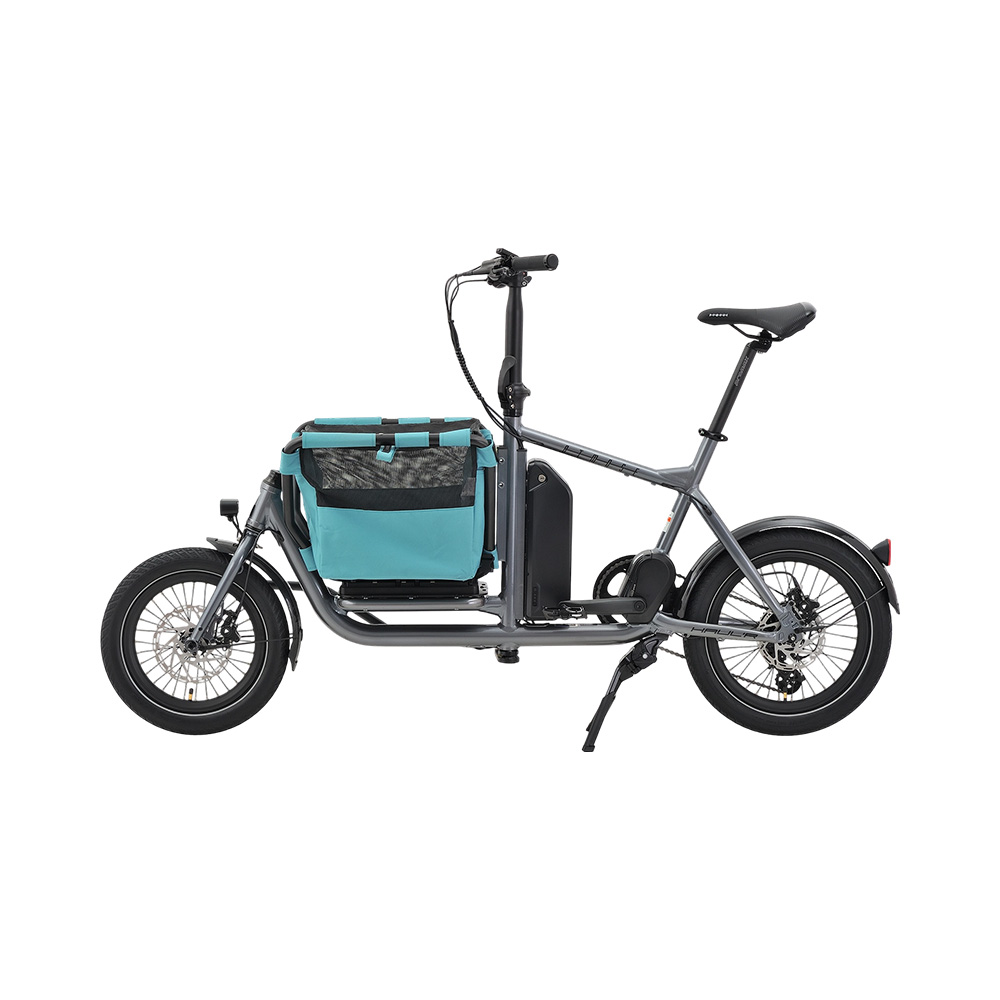
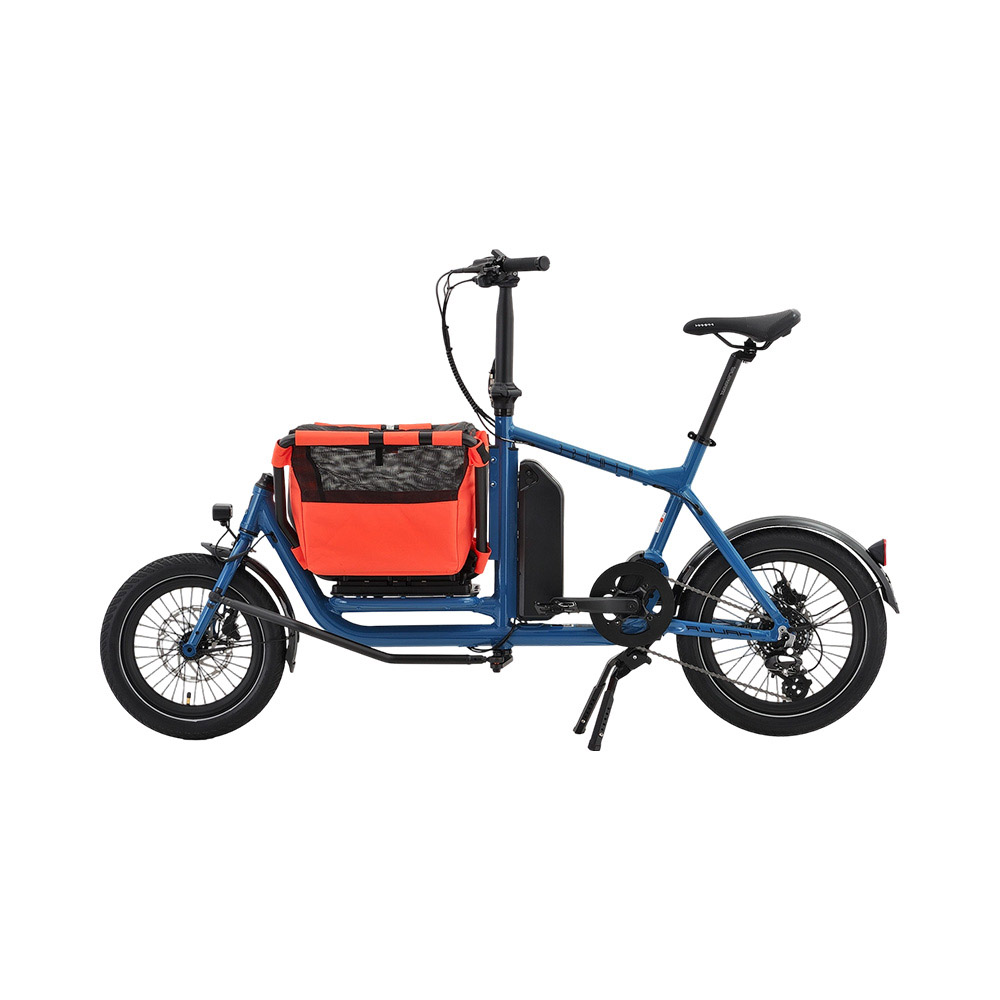
Urban transportation is changing as residents look for practical ways to move through busy streets while carrying personal belongings. An Urban Cargo Bike offers a combination of cycling and cargo transportation, allowing riders to handle commuting, shopping, work equipment, and other daily tasks with one vehicle.
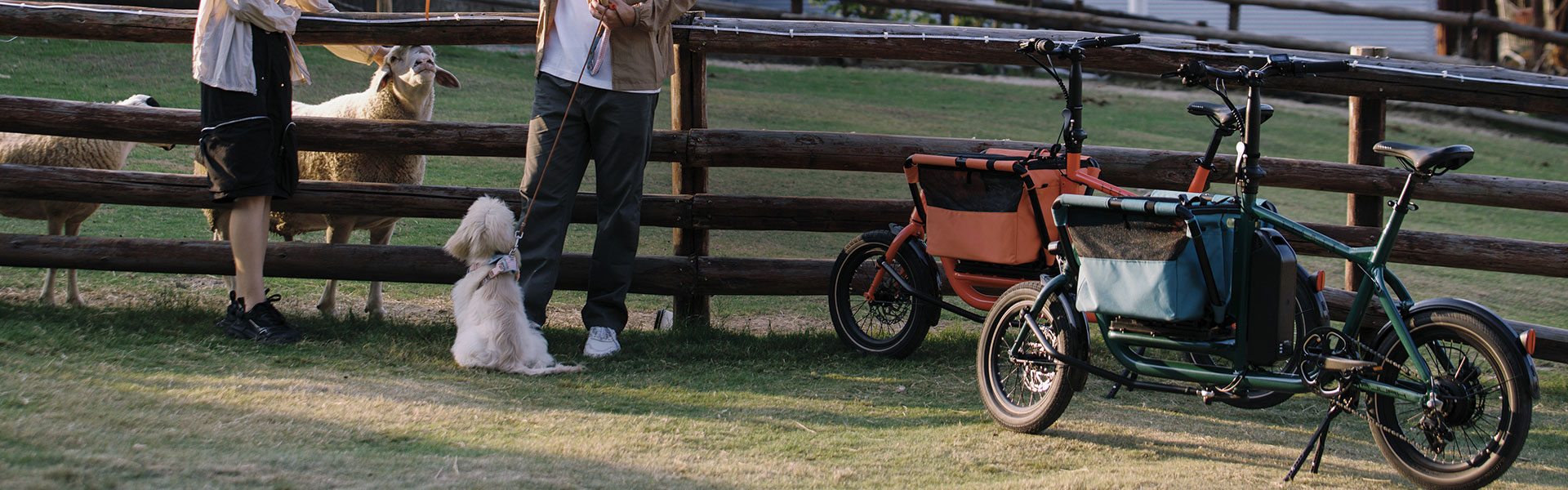
City travel often involves short distances, frequent stops, narrow streets, traffic lights, and limited parking space. A cargo bike can be designed around these conditions, giving riders a dedicated area for bags and other items instead of placing everything on the riders back.
For people who travel through commercial districts, residential neighborhoods, and mixed traffic areas, the layout of the bicycle can have a direct effect on everyday usability.
Urban roads require a balance between cargo space and handling. A cargo bike with a suitable frame layout can provide room for goods while keeping the rider position comfortable and the controls accessible.
Frame geometry influences turning behavior and overall balance. A longer frame can provide additional cargo room, while a compact arrangement can make storage and maneuvering easier.
The handlebar should provide clear control over steering, particularly when the bicycle carries additional weight. Tire width, wheel size, and tread pattern can also influence handling on different road surfaces.
Riders should consider the routes used on a regular basis before choosing a specific design. Smooth streets, uneven pavement, slopes, bike lanes, and narrow passages can create different requirements.
Daily commuting does not always involve an empty bicycle. A rider may need to carry a laptop bag, groceries, clothing, tools, documents, or personal equipment.
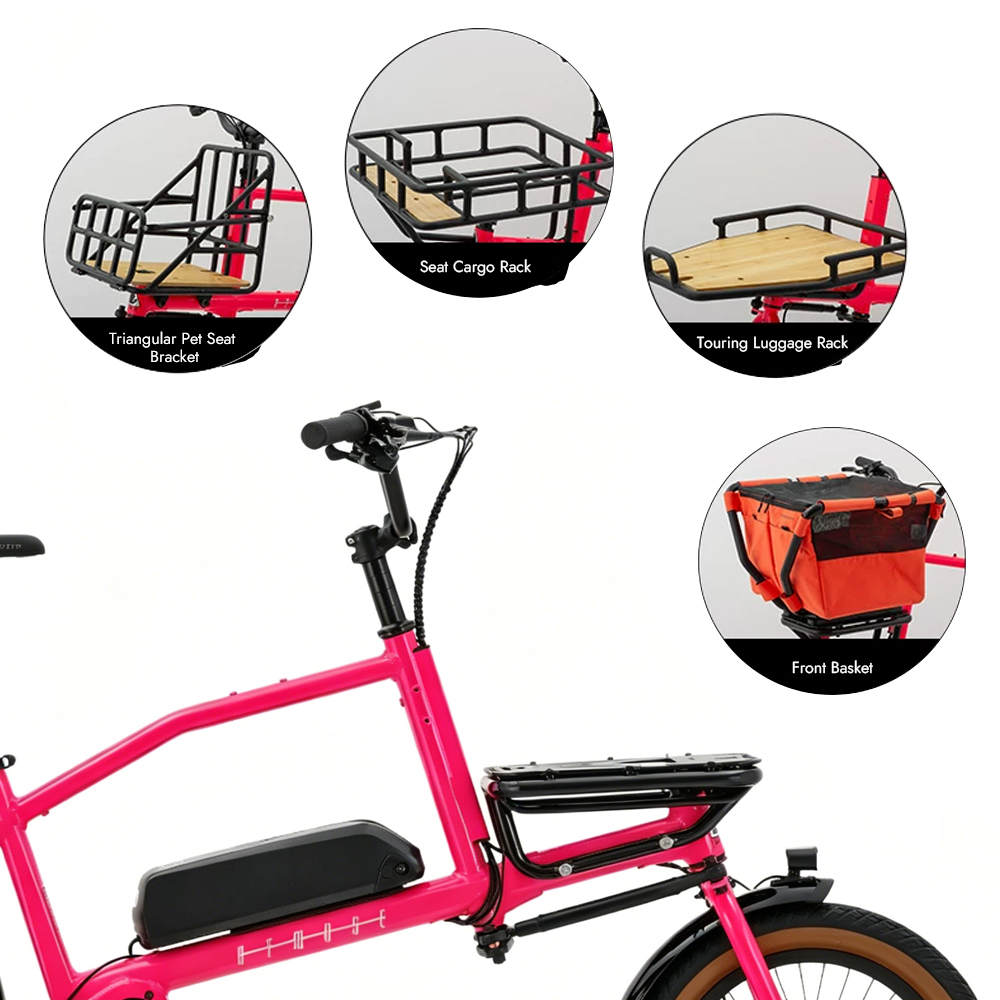
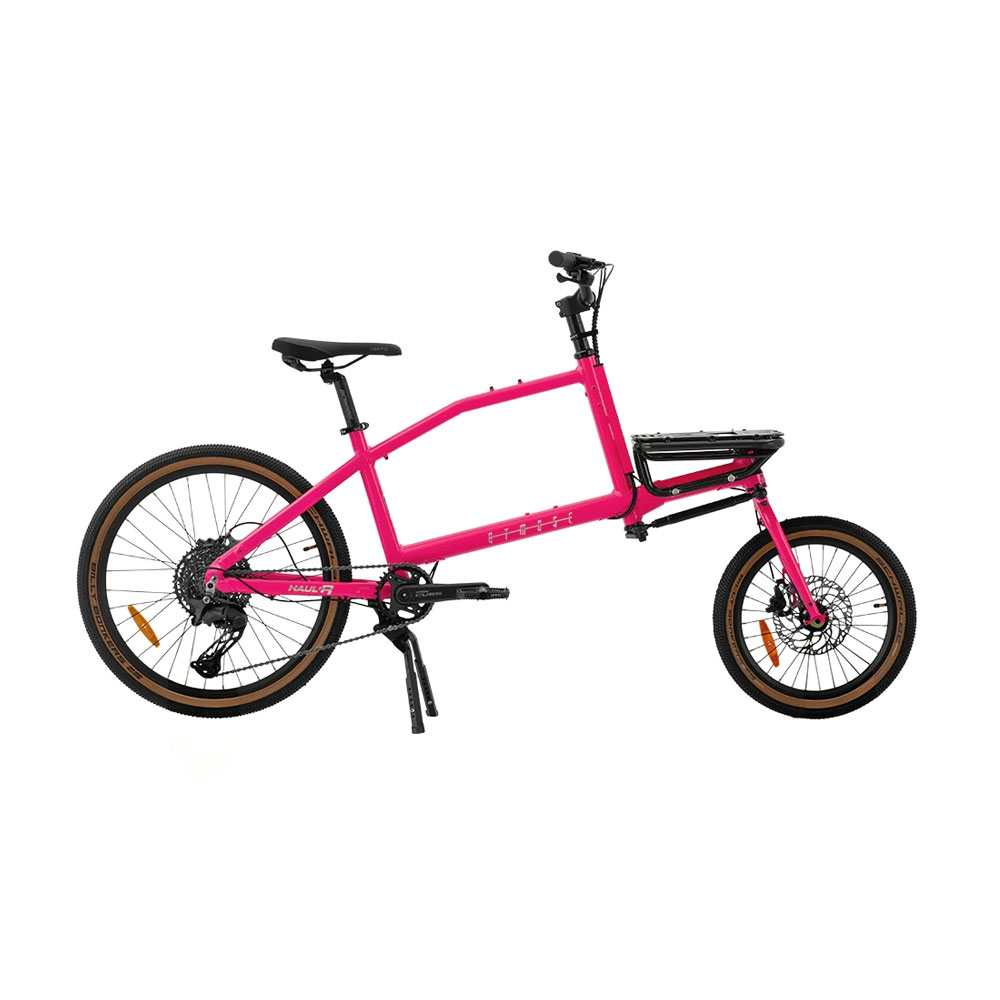
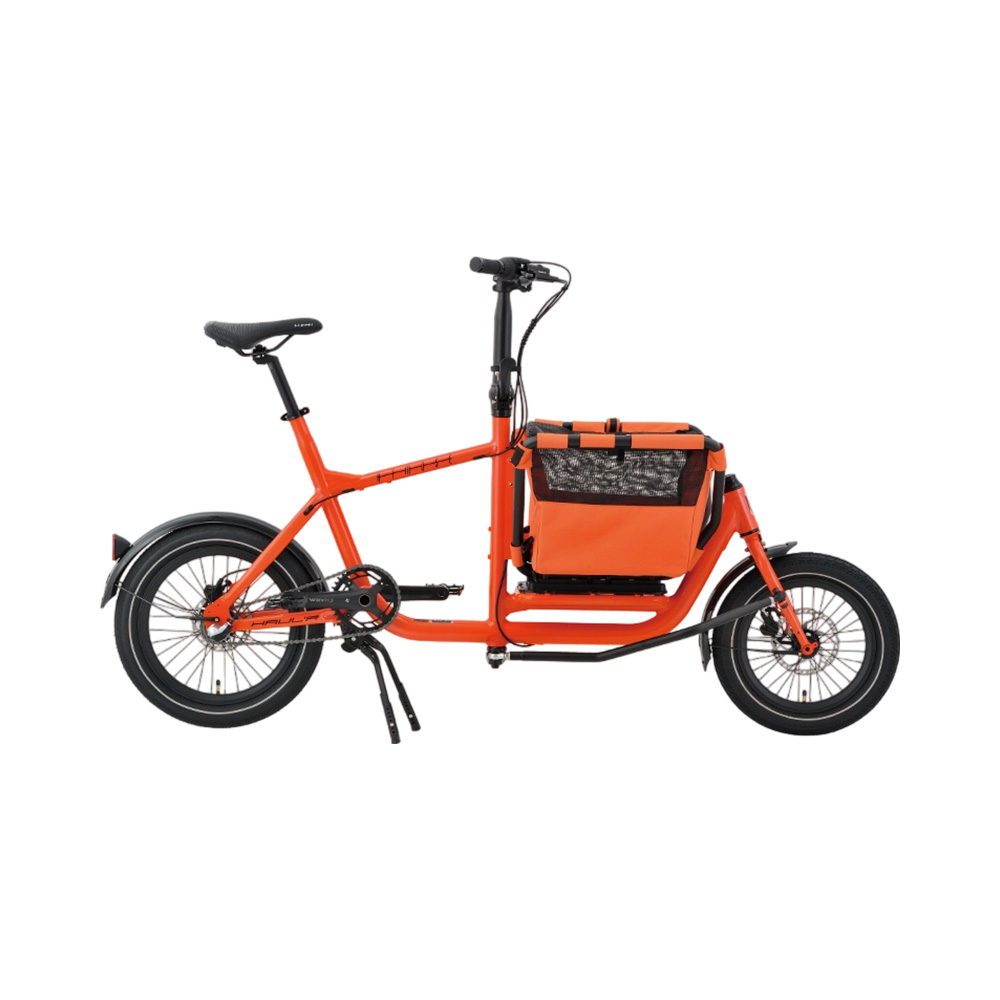
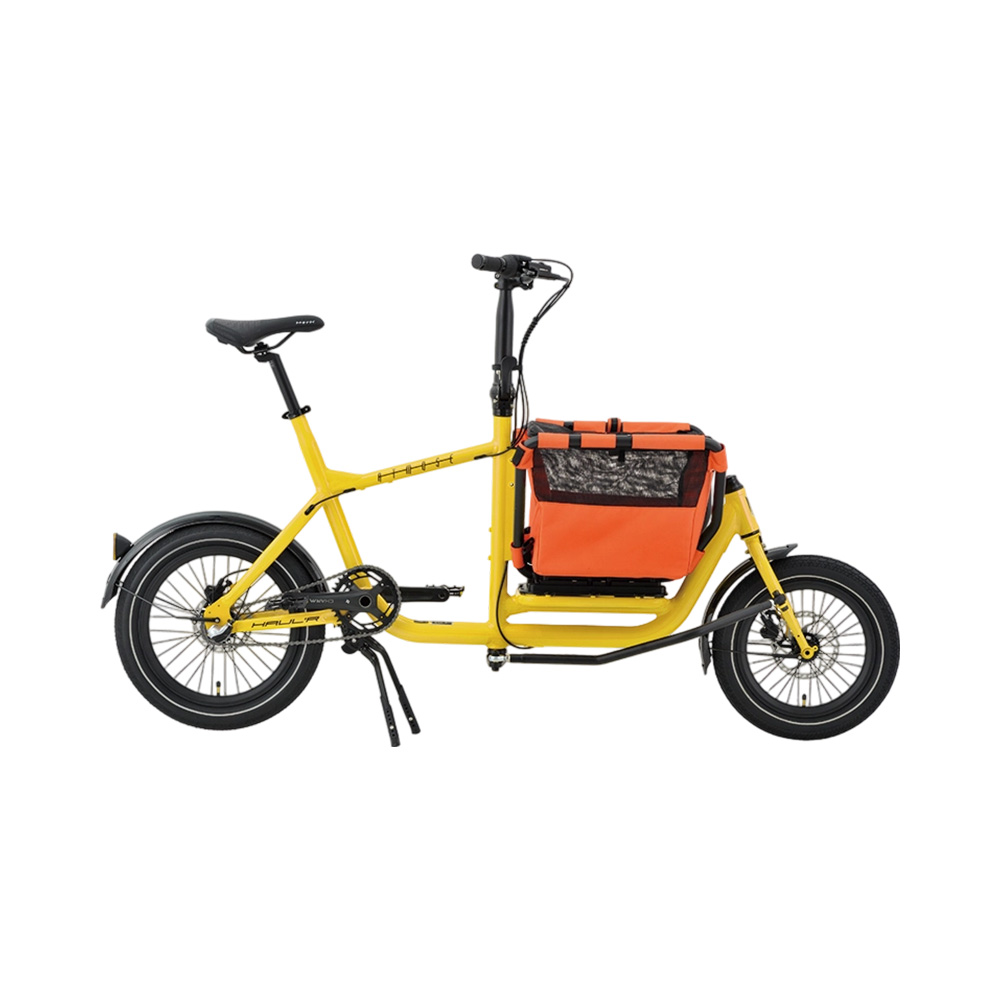
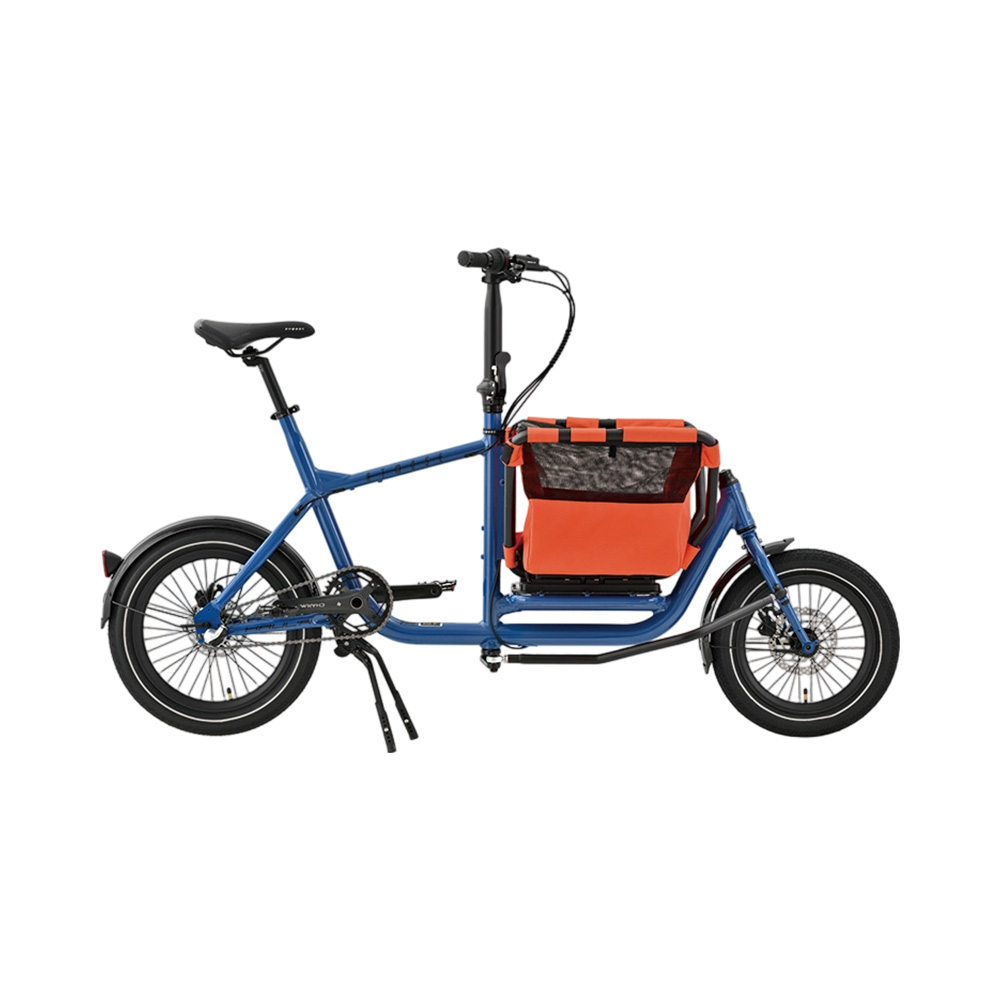
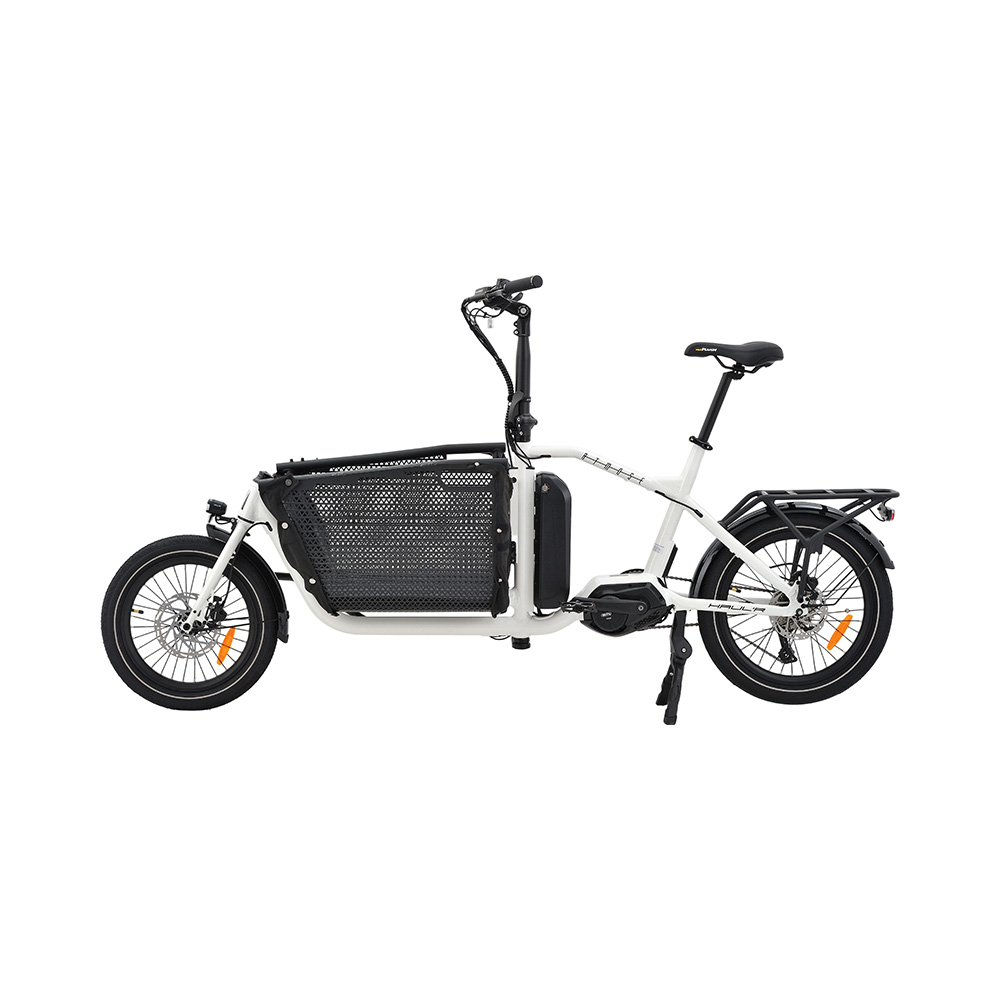
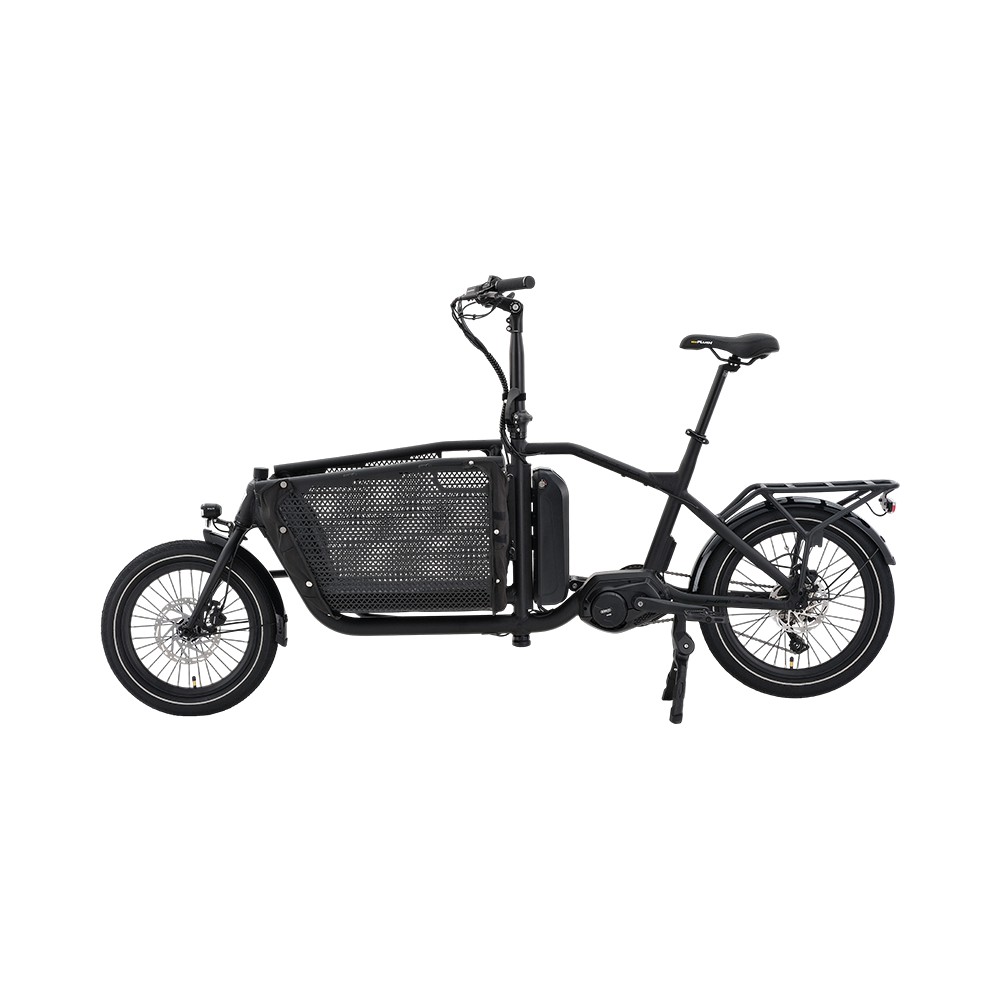
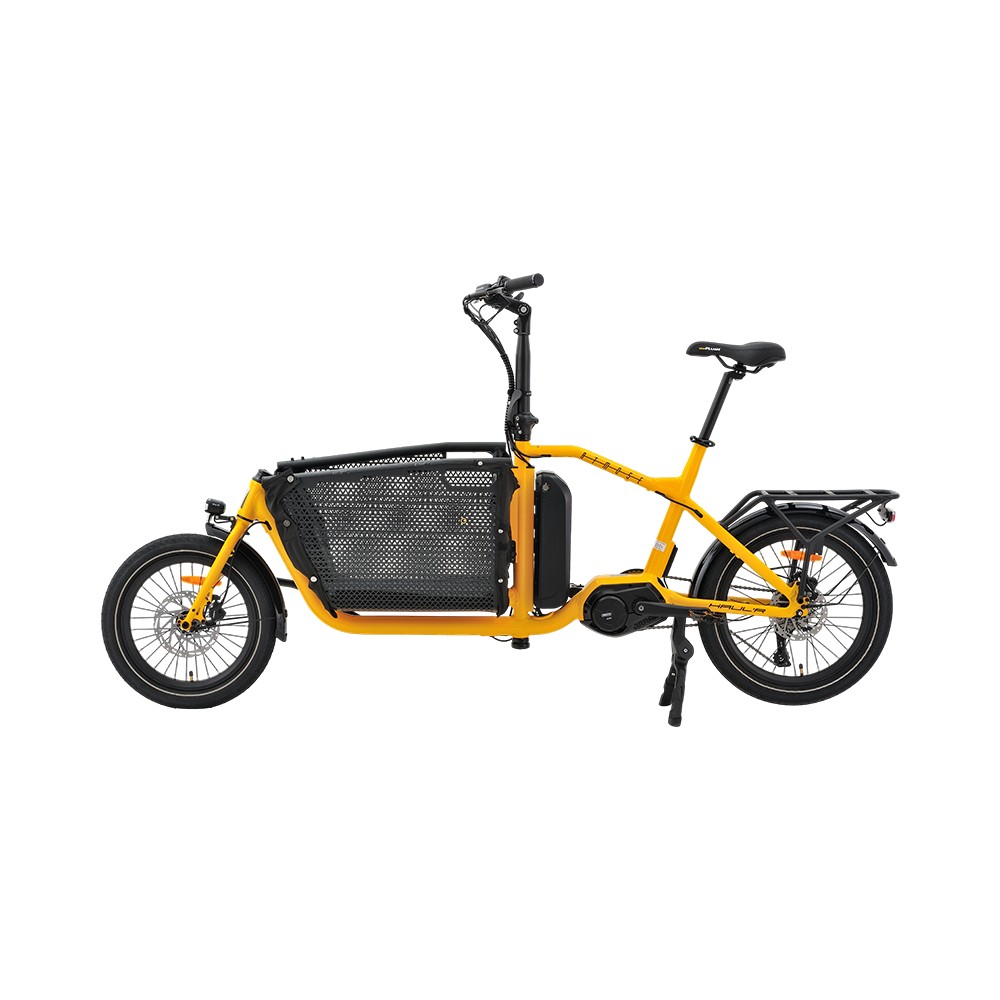
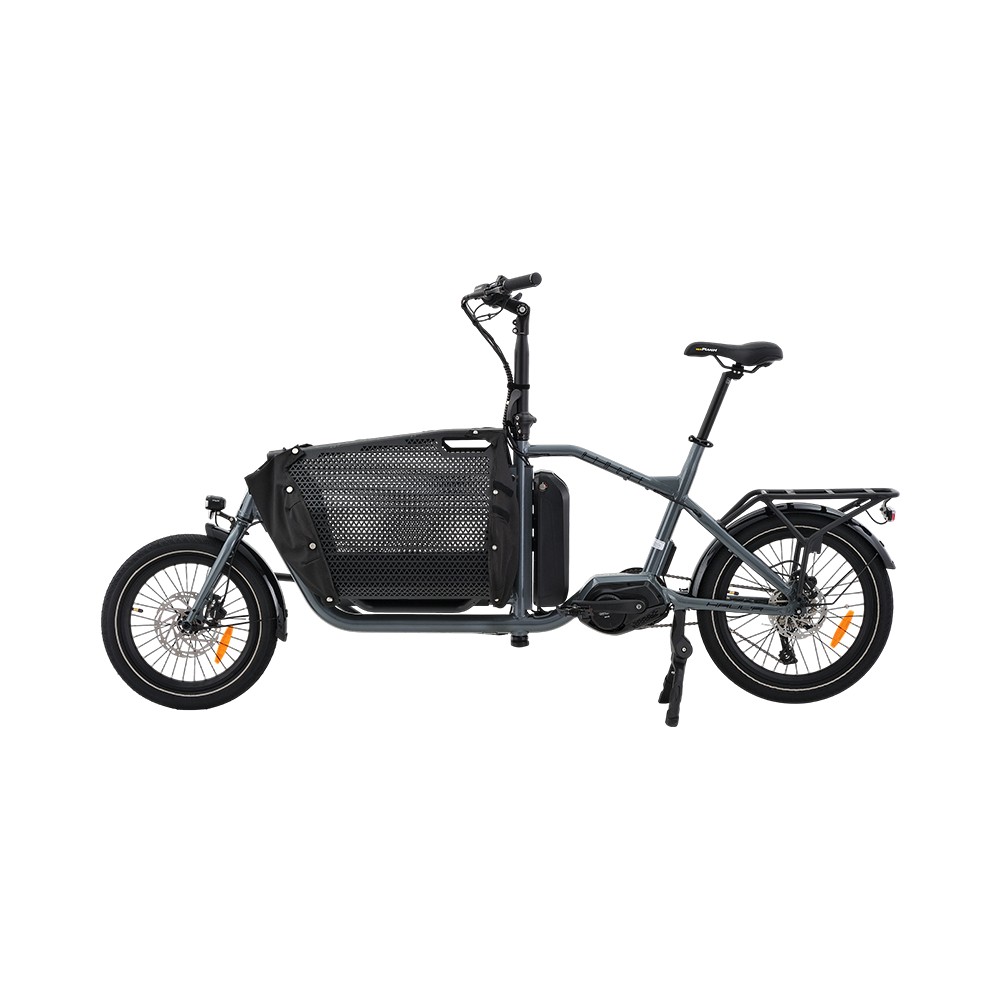
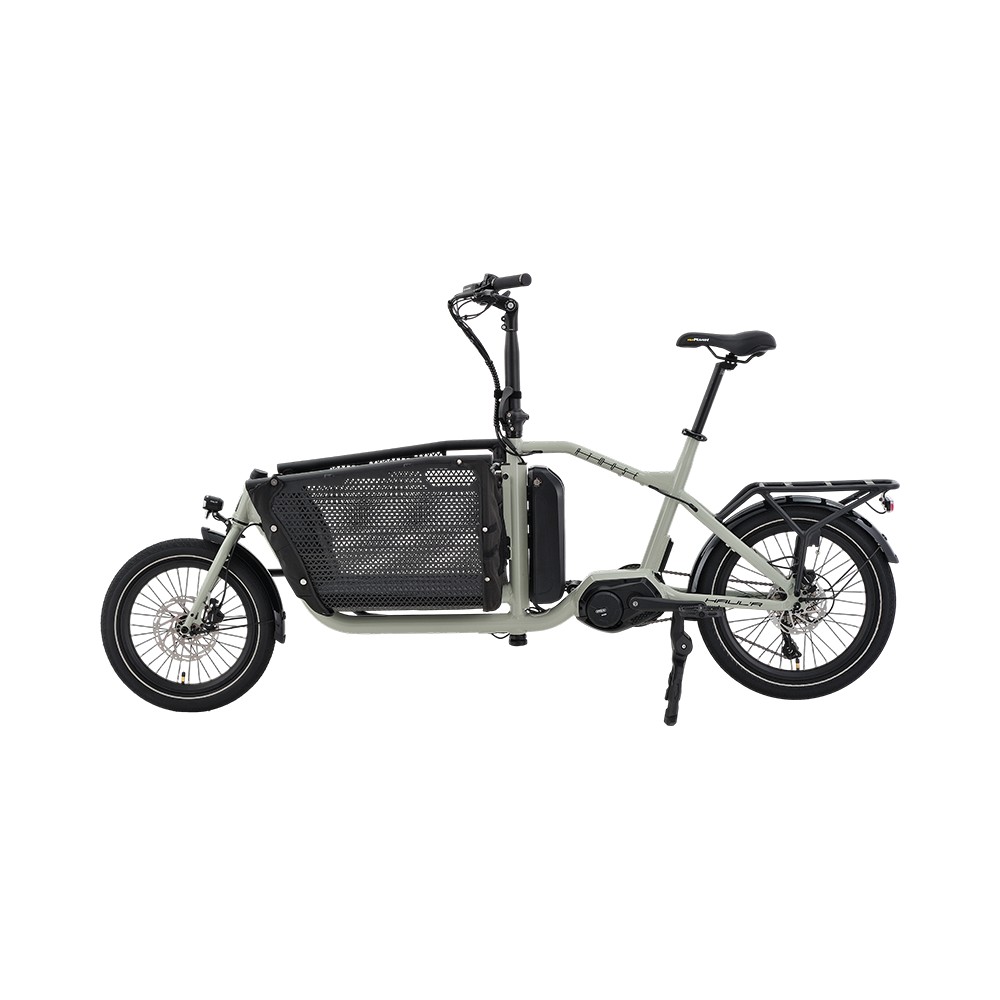
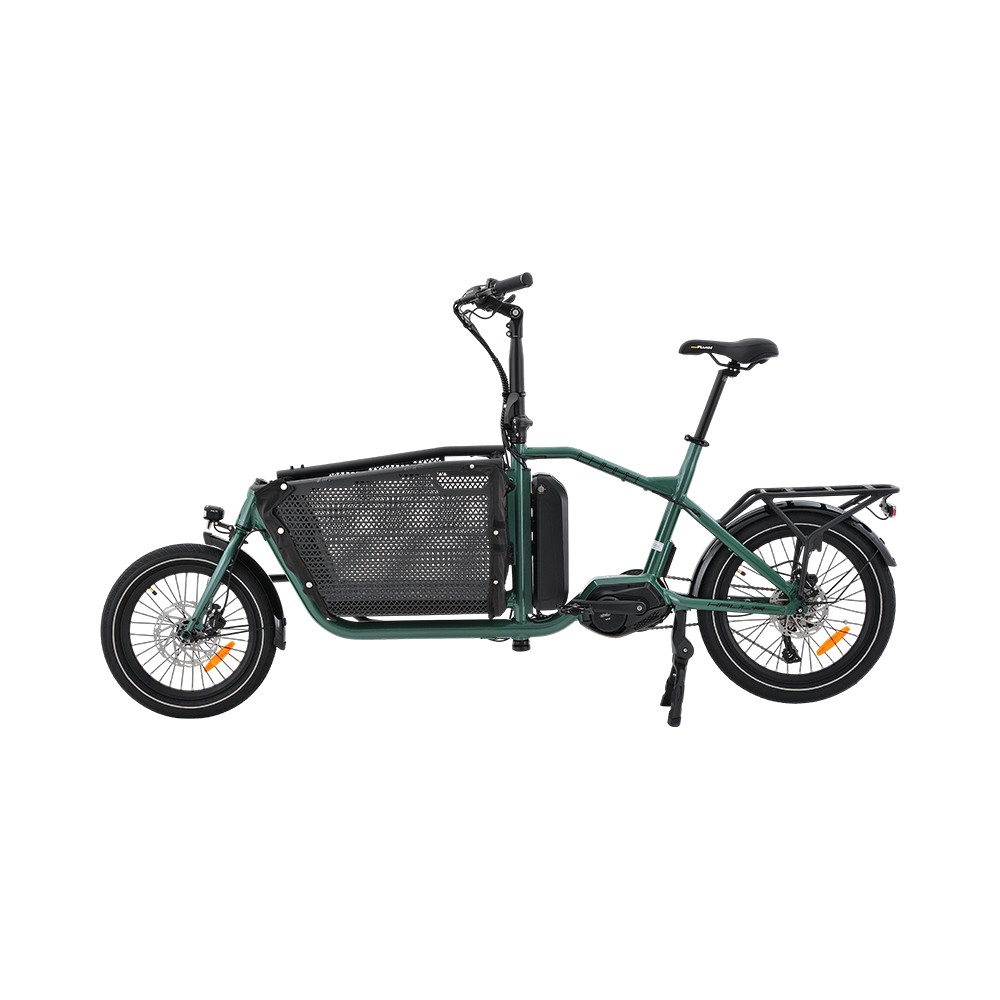
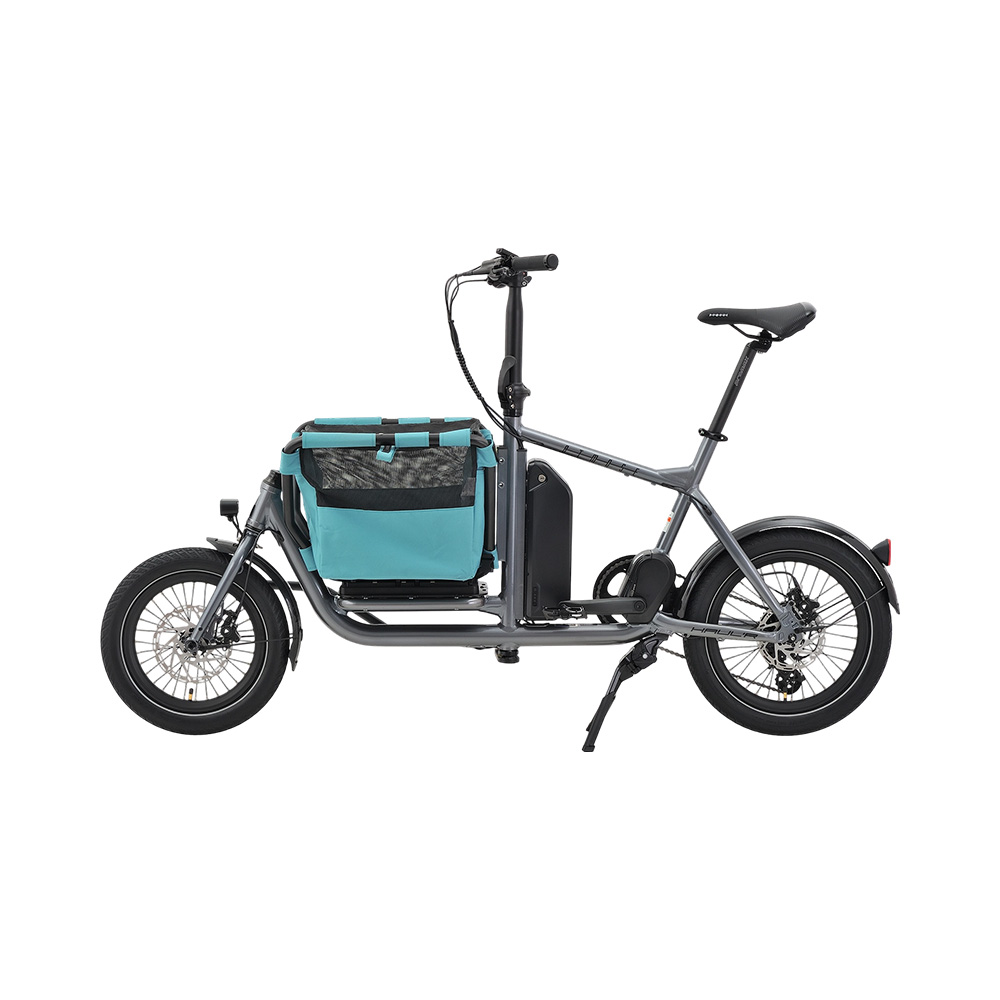
Urban Cargo Bike designs can use front cargo areas, rear racks, panniers, baskets, or enclosed boxes. Each arrangement provides a different way to organize belongings.
A front cargo area keeps items within the riders field of view, while rear storage can leave the steering area relatively clear. Panniers can provide flexible storage for smaller items, while a closed cargo box can protect contents from rain and road dust.
Cargo should be secured so that it does not move during acceleration, braking, or turning. Even distribution can also help maintain predictable handling.
A comfortable riding position becomes important when a cargo bike is used as part of a regular travel routine. Saddle height, handlebar position, frame geometry, and pedal placement can all influence the riding experience.
A properly adjusted saddle allows the rider to maintain a natural leg position. Handlebar height and reach should also suit the riders body position.
Tire selection can influence comfort on rough pavement. Some designs may also use suspension components to absorb road impacts.
When a cargo bike carries additional weight, comfort depends on more than the saddle. The frame, tires, wheels, and cargo mounting system work together during riding.
Urban riding requires attention to visibility, braking, and load distribution. A cargo bike may carry heavier items than a conventional bicycle, so riders need to understand how additional weight affects stopping and steering.
Reliable brakes are important when traveling through areas with pedestrians, cars, intersections, and frequent traffic changes.
Front and rear lights can improve visibility during low-light conditions. Reflective components can provide additional visual recognition.
Cargo should remain securely positioned. A load that shifts during a turn can change the balance of the bicycle. Riders should also avoid placing items where they could interfere with wheels, brakes, pedals, or steering.
Storage is an important consideration for city residents. A cargo bike can require more space than a conventional bicycle, particularly when it has a long frame or large cargo box.
Before purchasing, users should consider whether the bicycle can fit inside a garage, bicycle room, apartment storage area, or designated parking space.
The turning radius and overall width can also affect movement through entrances and corridors.
A secure locking system is useful when the bicycle is parked in a public location. The frame and wheels should be secured according to the manufacturers recommendations.
Regular inspection can help keep an Urban Cargo Bike ready for everyday travel. Tires should be checked for wear and proper inflation, while brakes should be inspected for normal response.
The chain and drivetrain require cleaning and lubrication according to the riding environment. Cargo mounts should also be checked because repeated loading can place mechanical stress on racks, bolts, and attachment points.
Electric models require additional attention to the battery, motor system, display, and charging connection. Battery storage should follow the manufacturers instructions.
The right cargo bike depends on the riders travel pattern, cargo requirements, storage conditions, and road environment. Buyers can compare frame design, cargo layout, wheel arrangement, braking system, comfort features, and accessory compatibility.
A bike intended for commuting may need a different configuration from one used for shopping or work equipment. Considering the complete daily routine can help buyers select a design that fits their actual urban travel needs.
Sep 04, 2026
Aug 03, 2026
Aug 03, 2026


info@atmosecargobike.com

200 rue de la Croix Nivert 75015 Paris

Custom Electric Bakfiets
 English
 Français
 Deutsch