Sep 11, 2026
Family transportation often includes several short trips during the day. Parents may need to take children to school, visit shops, attend activities, or carry household items along the route.
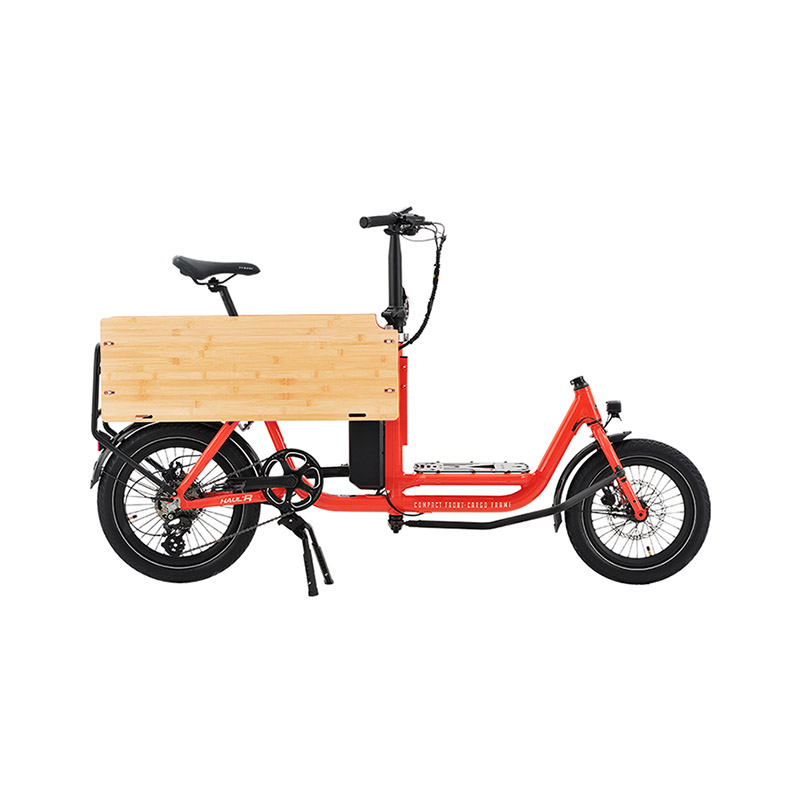
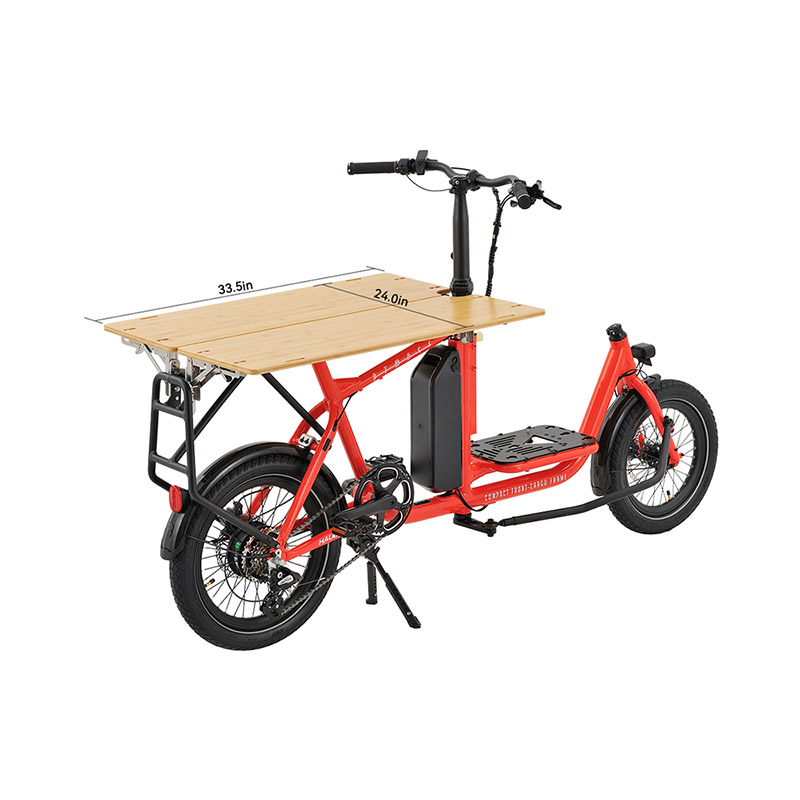
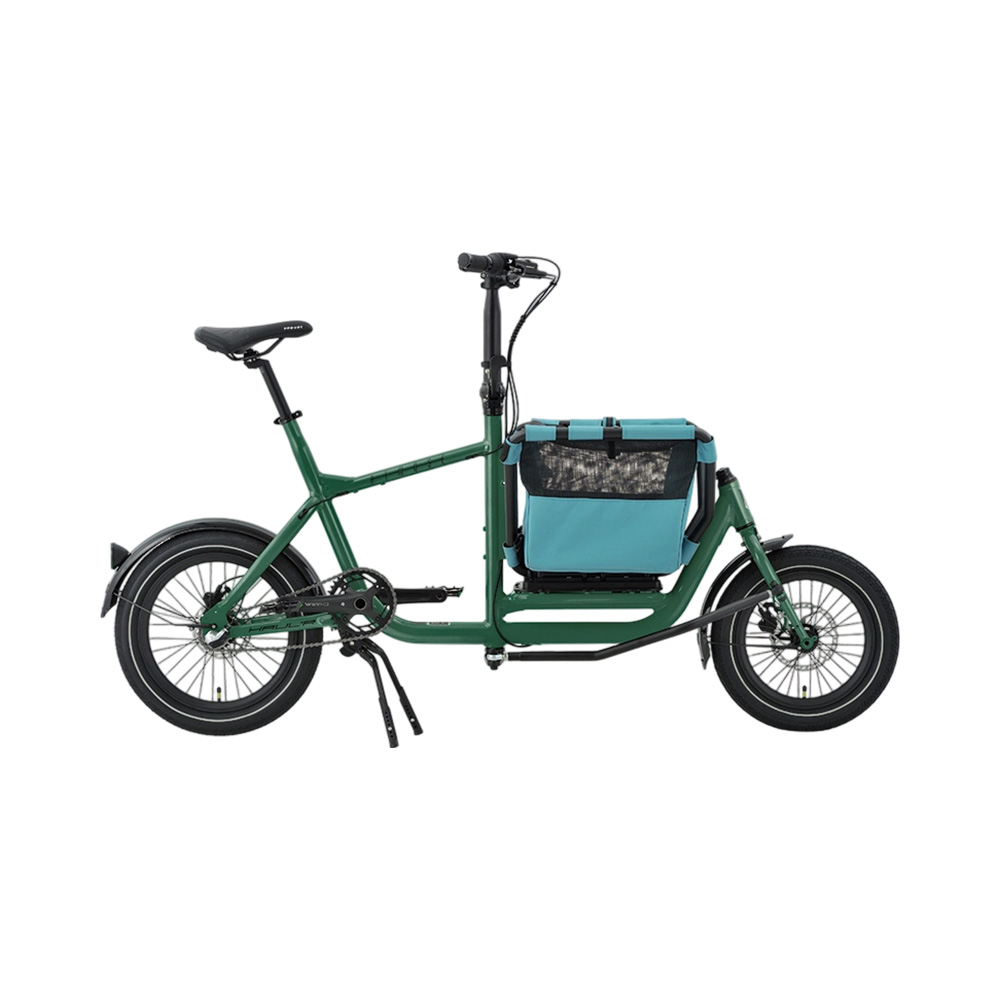
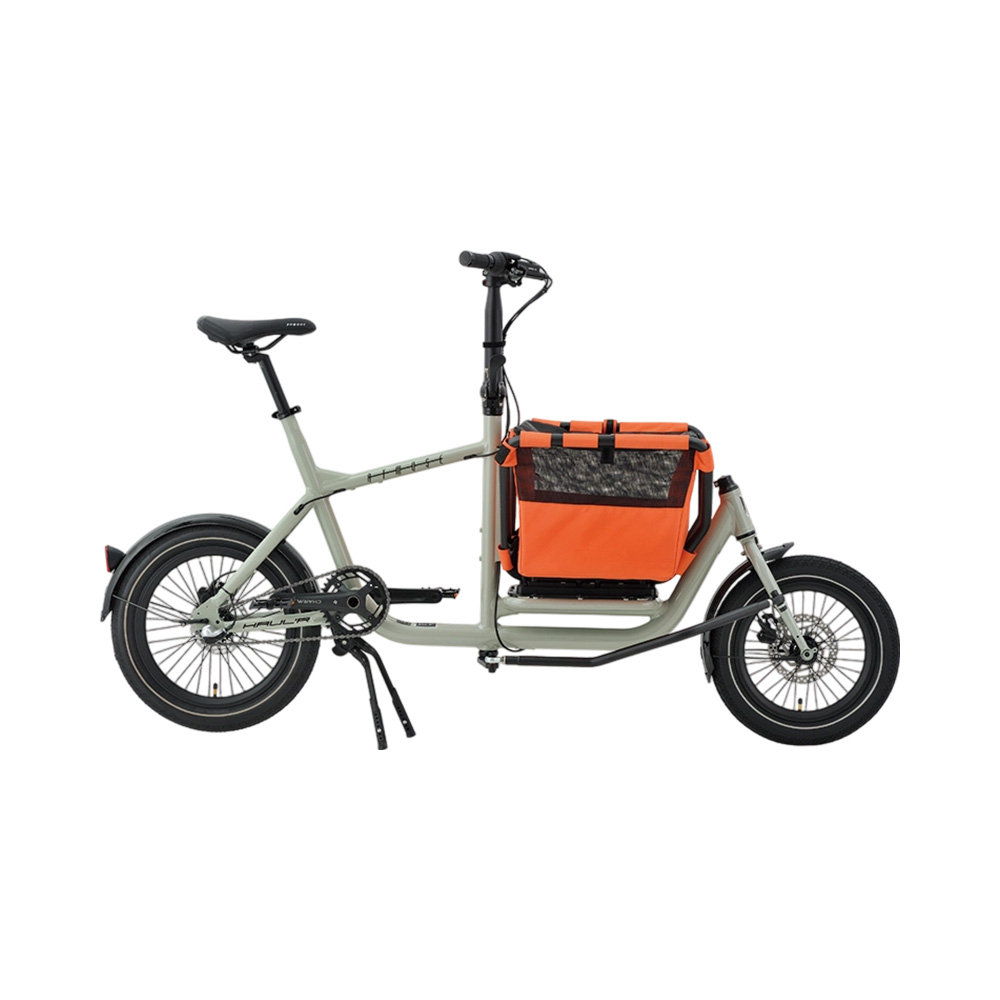
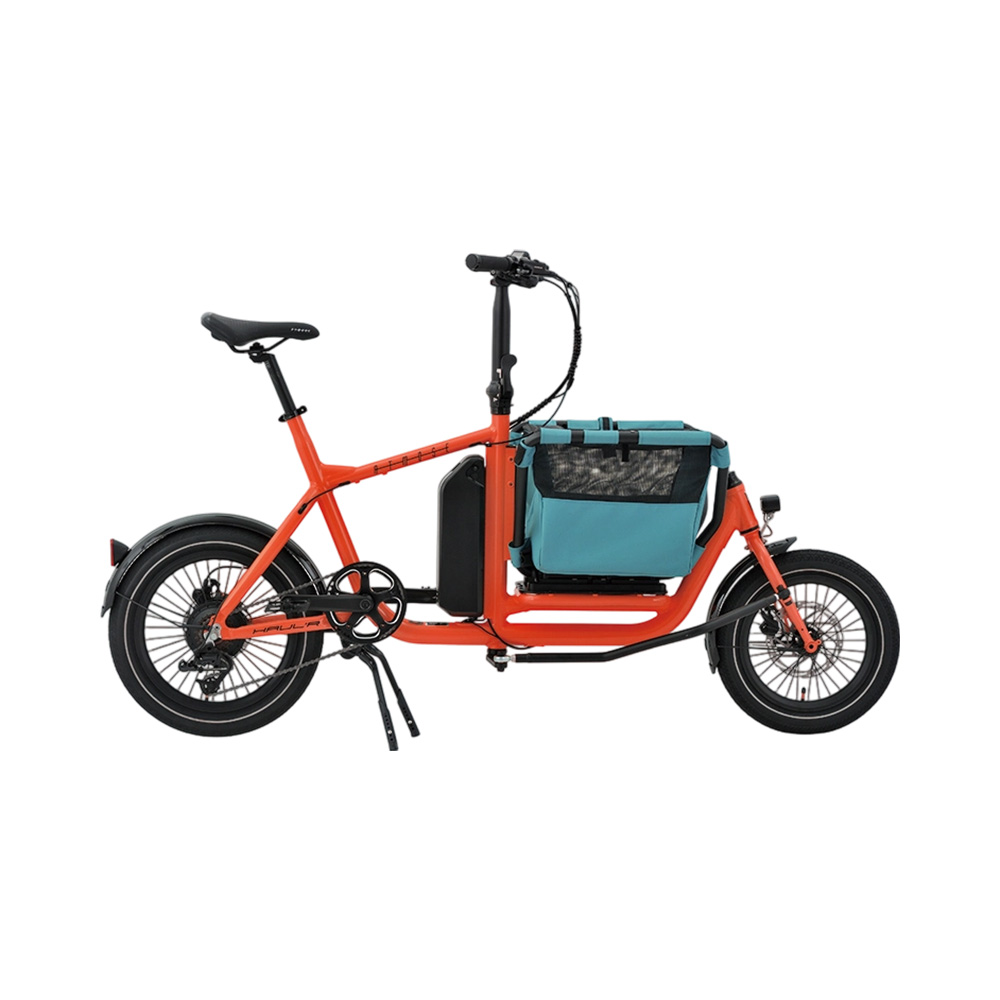
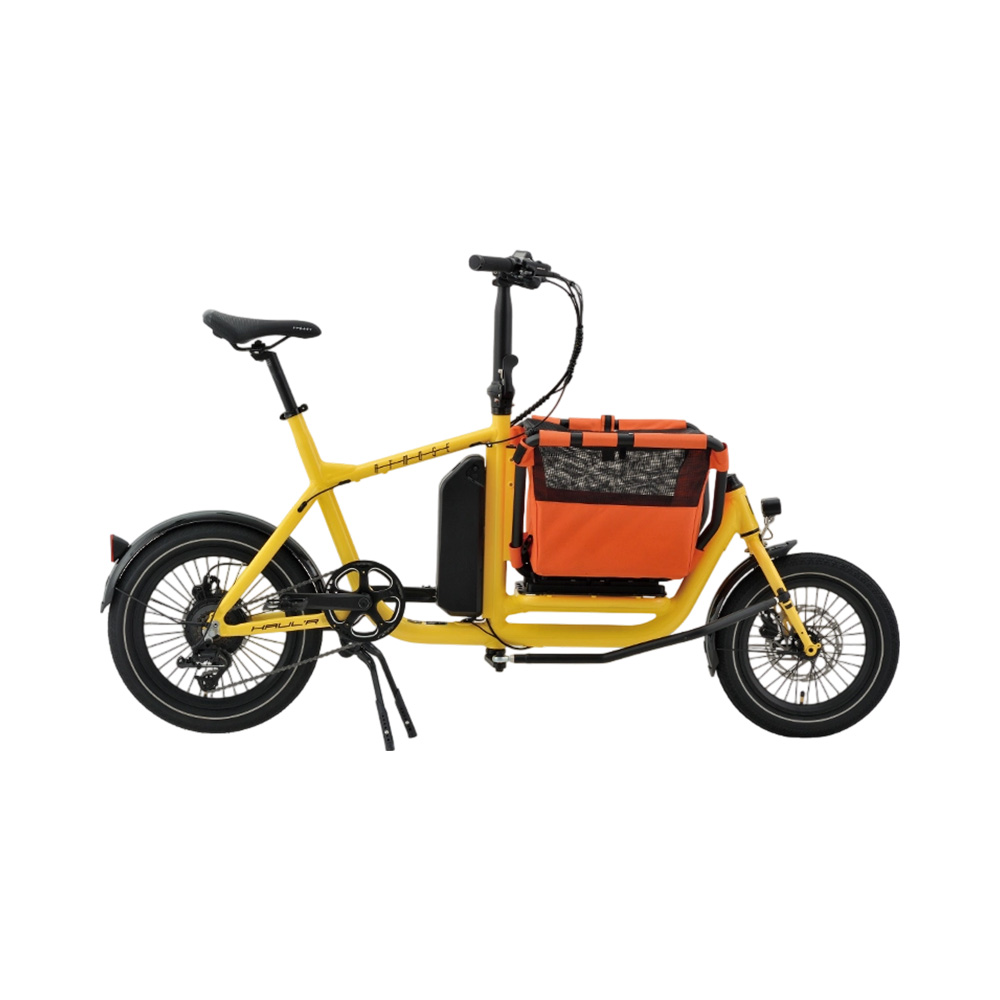
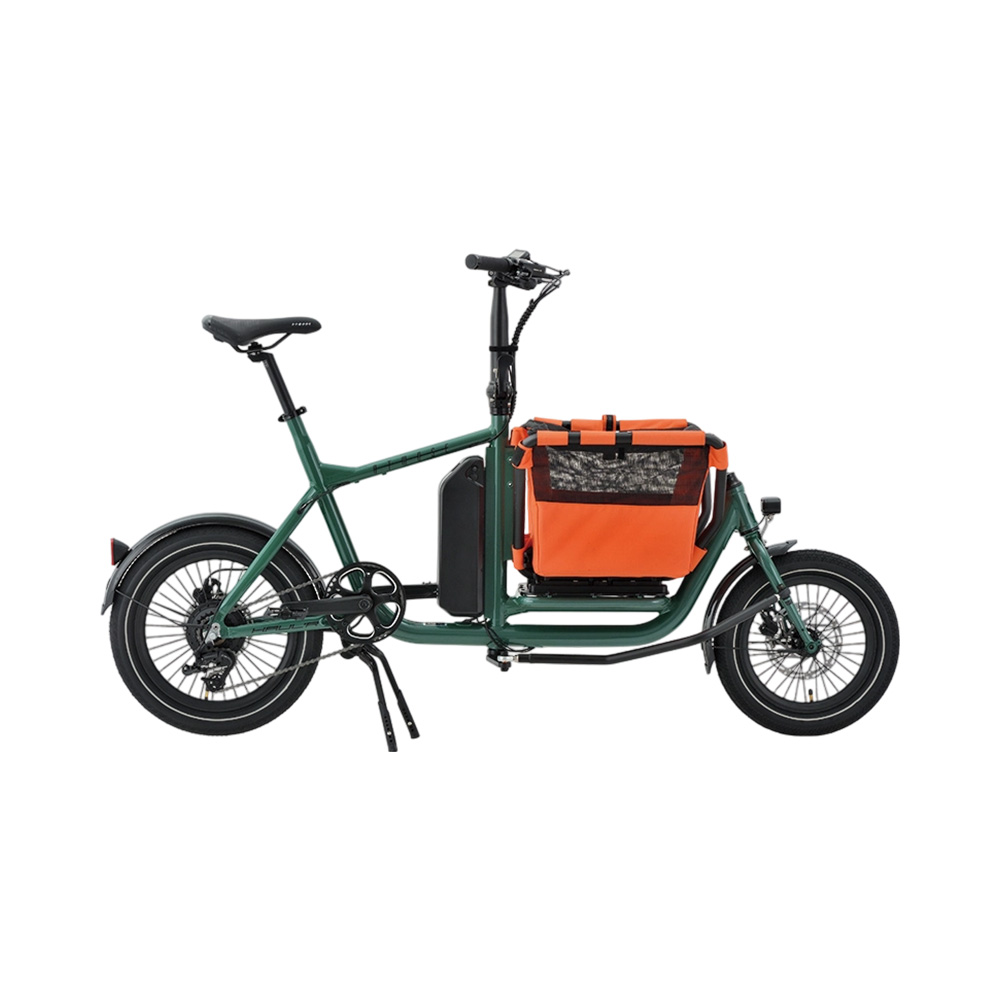
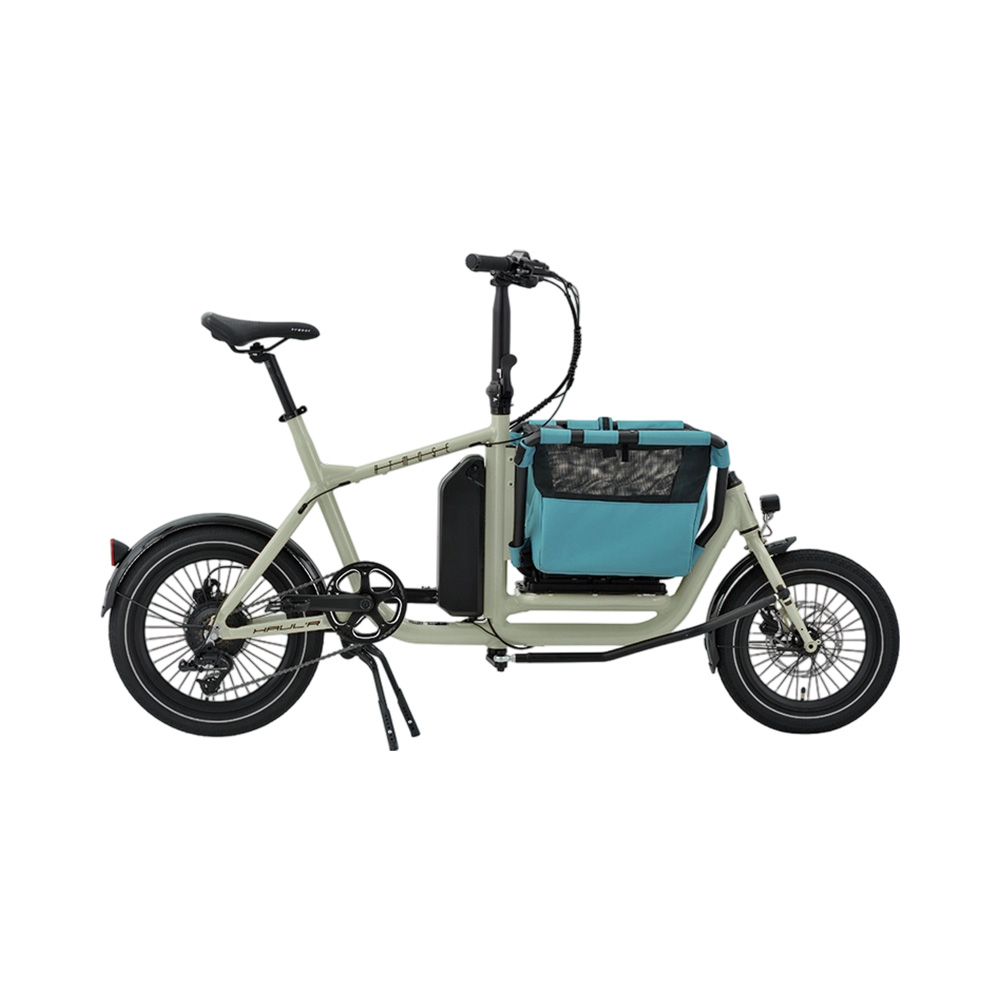
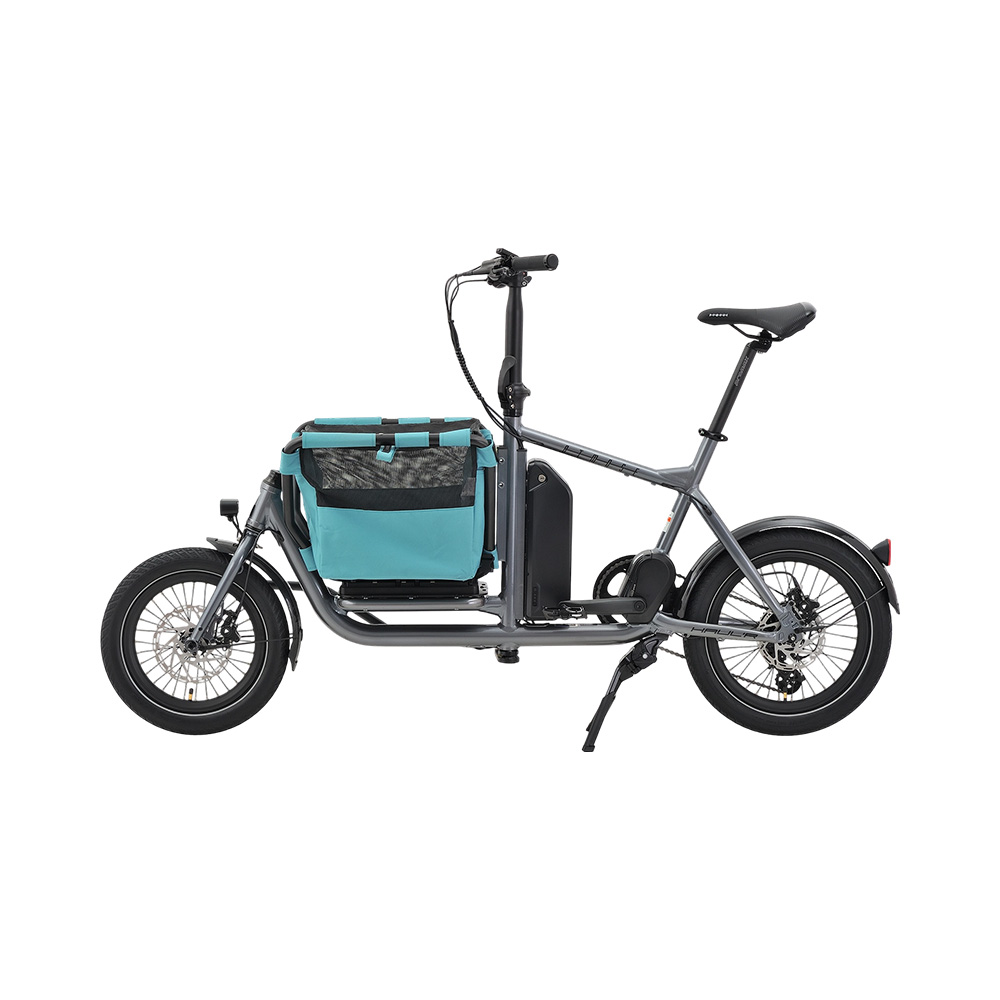
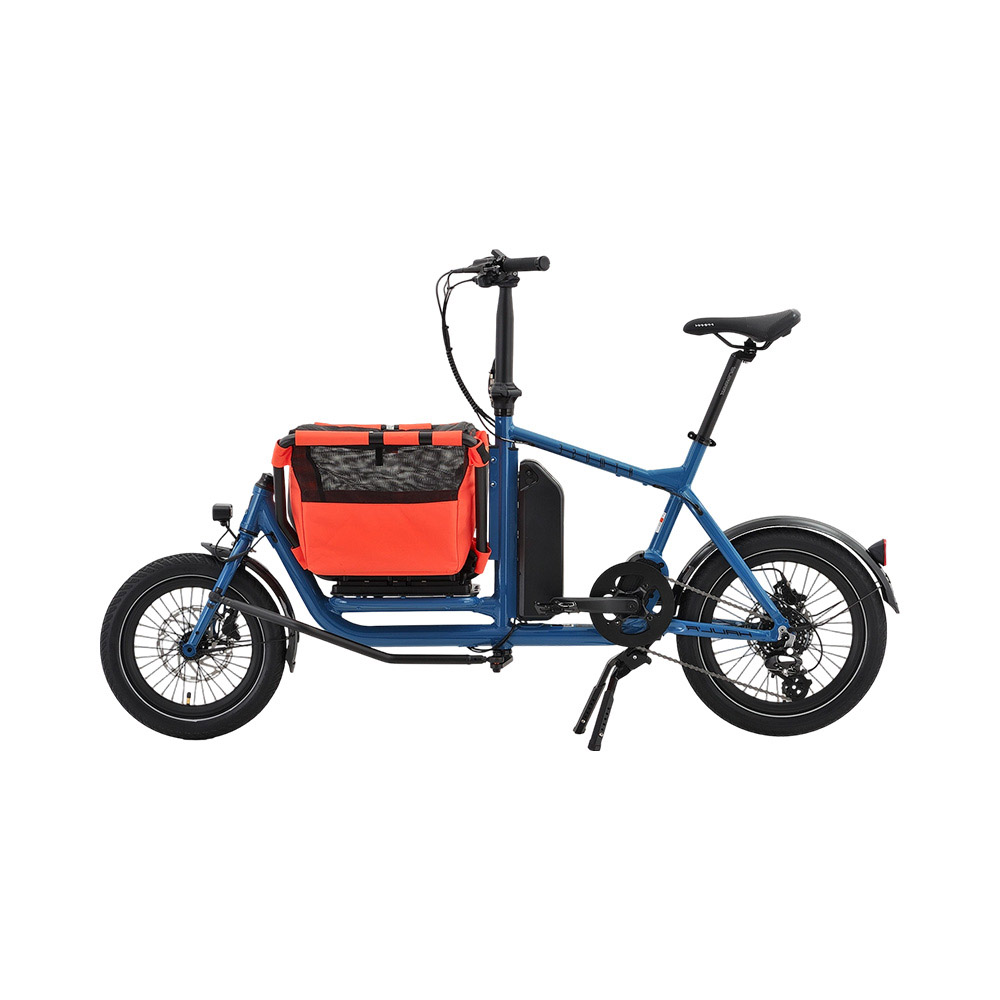
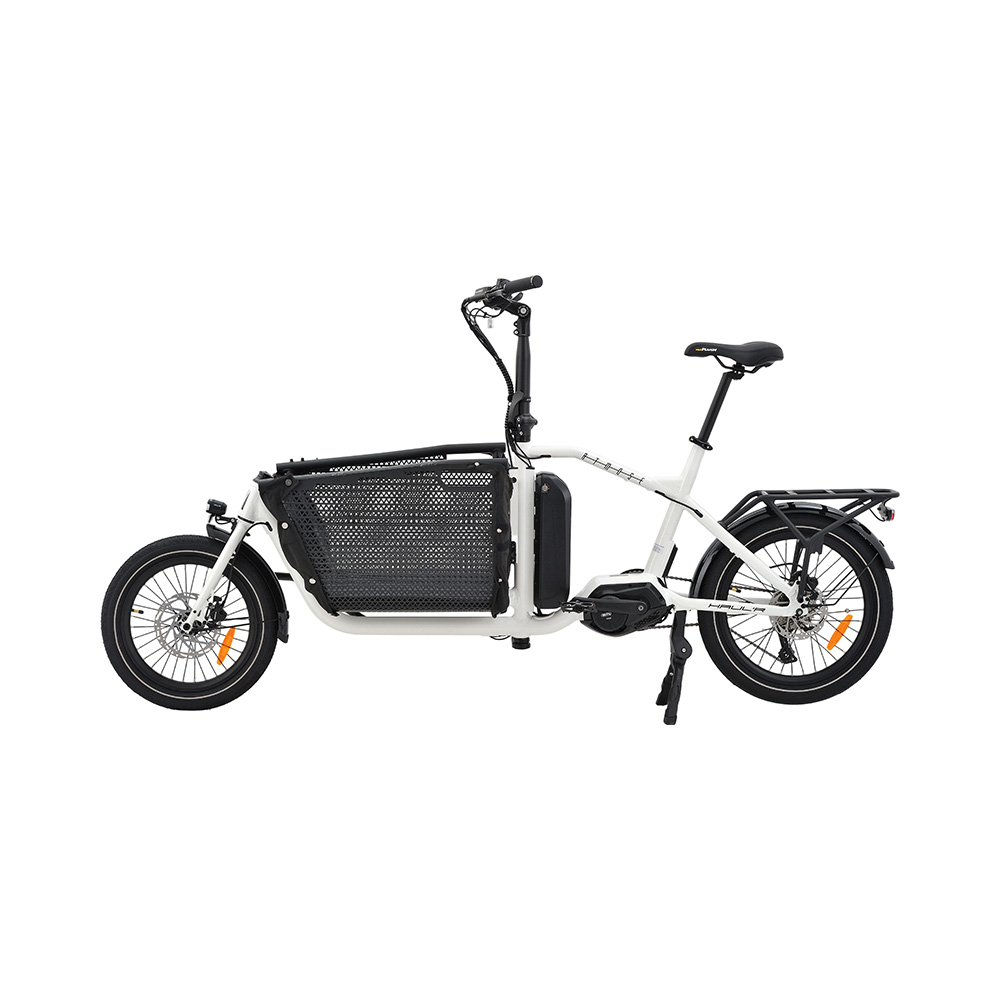
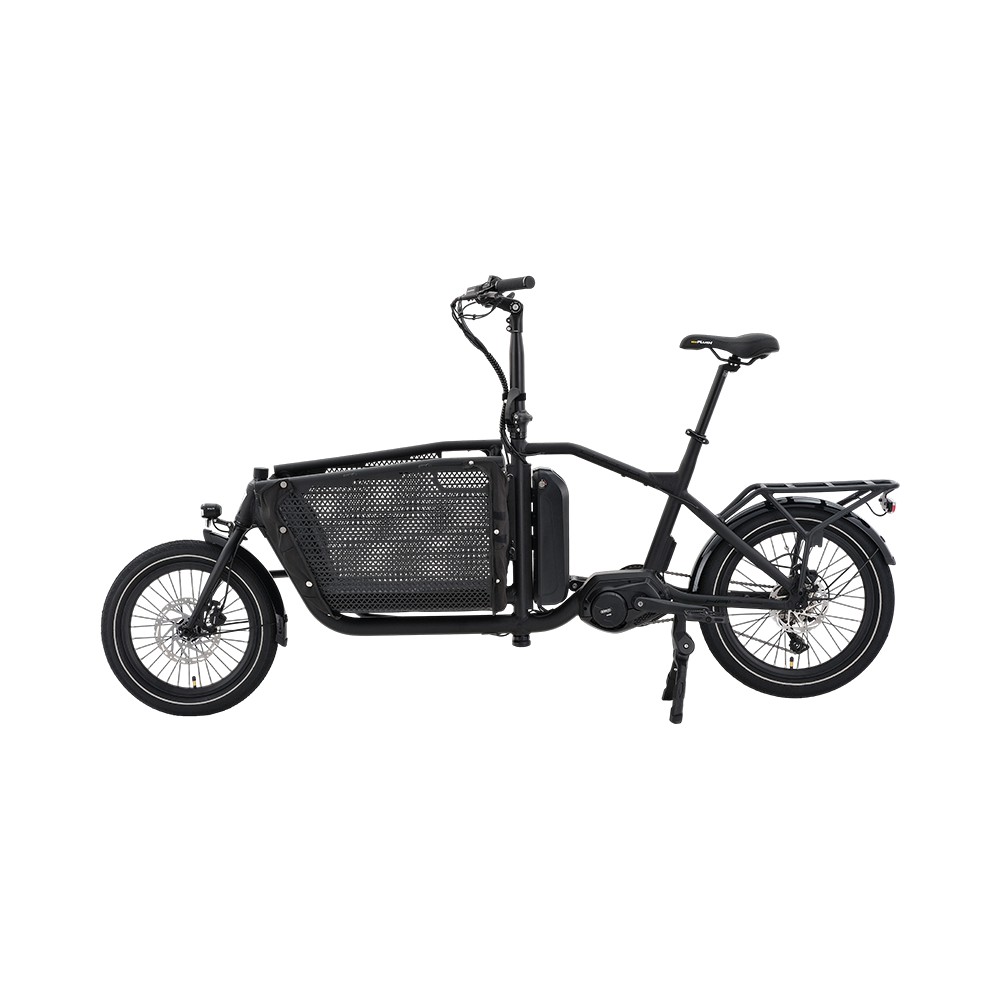
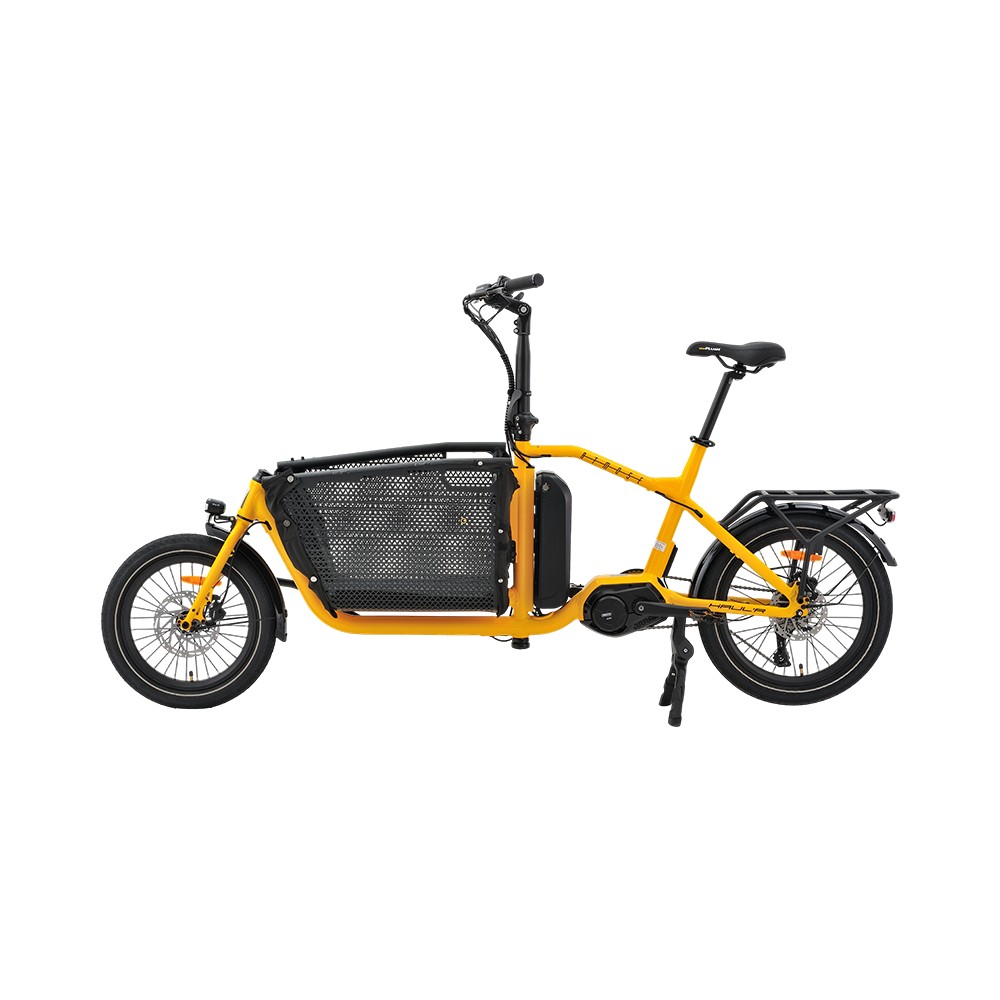
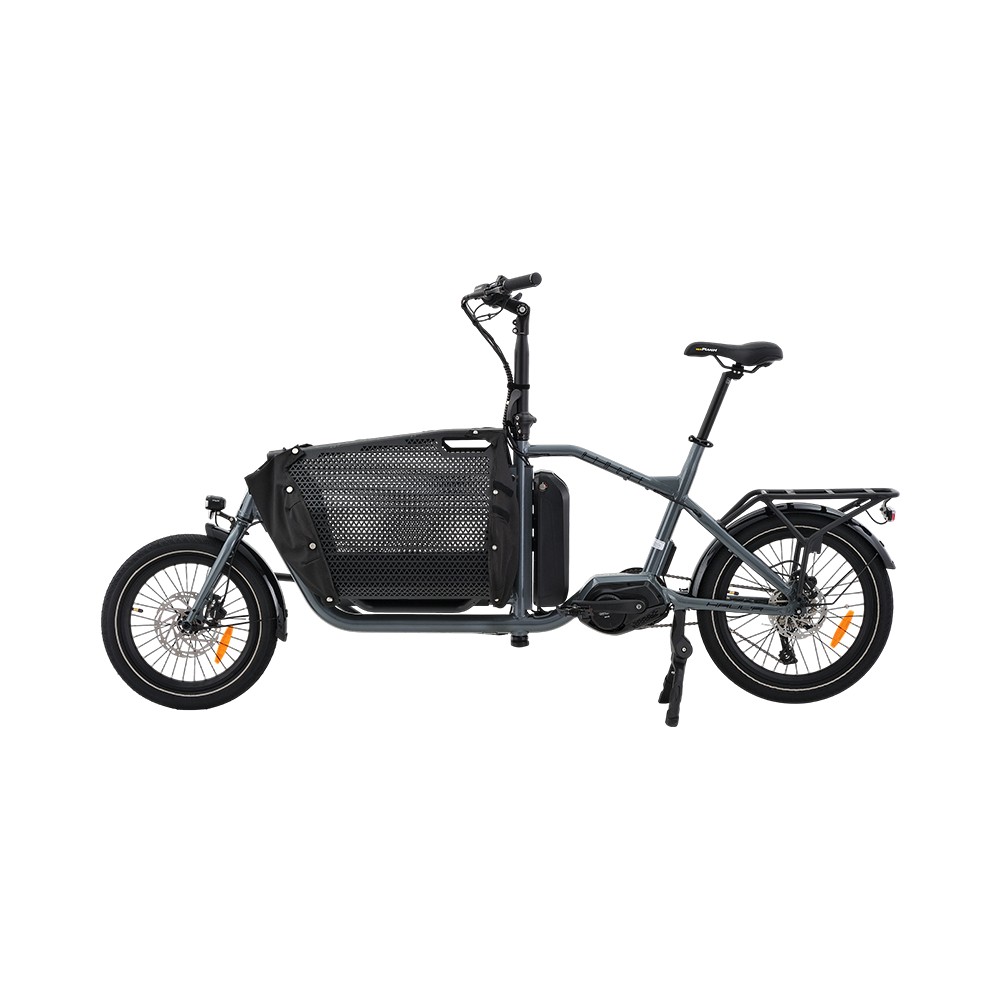
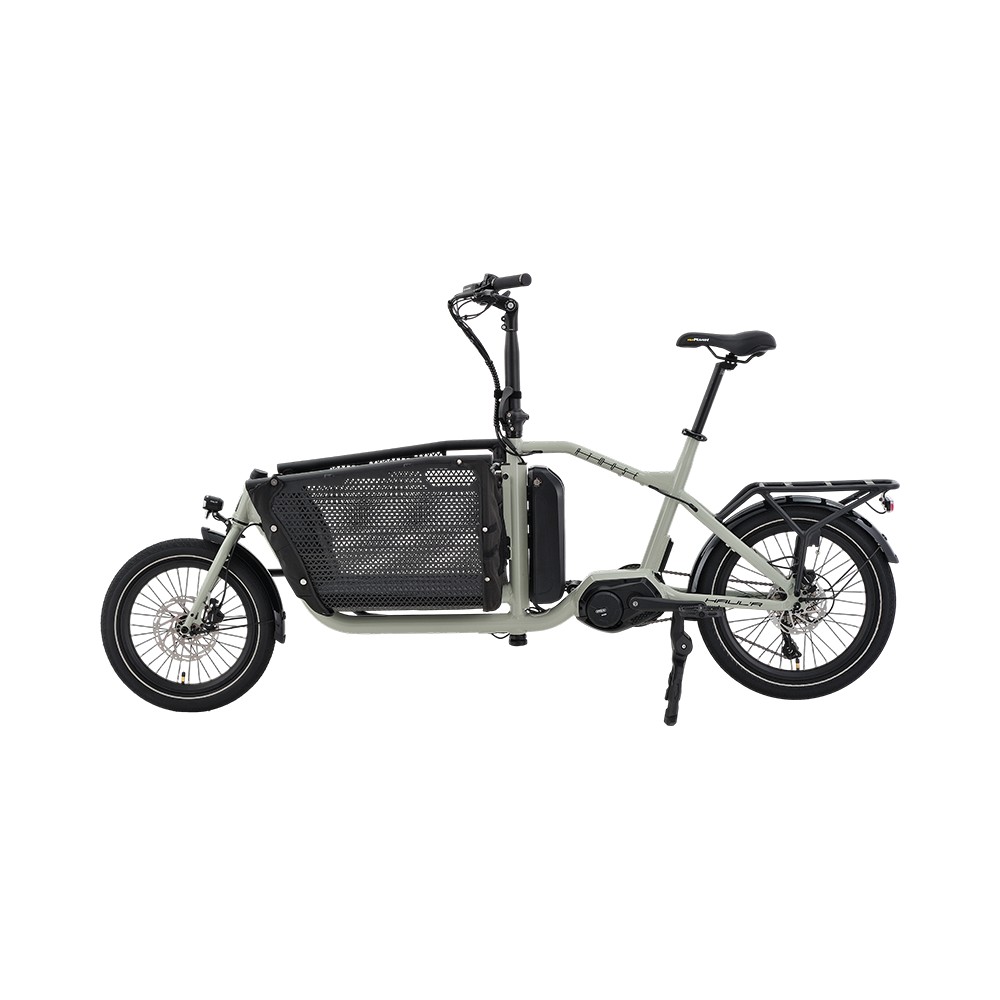
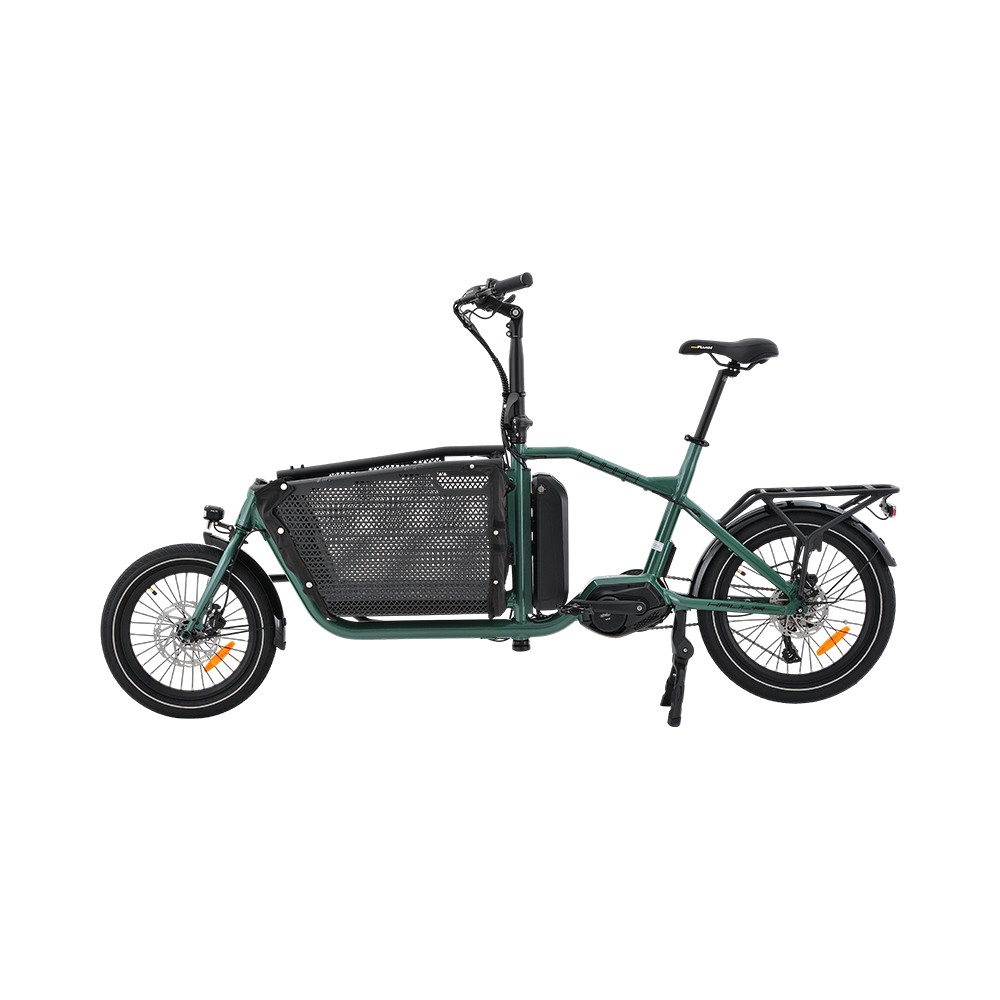
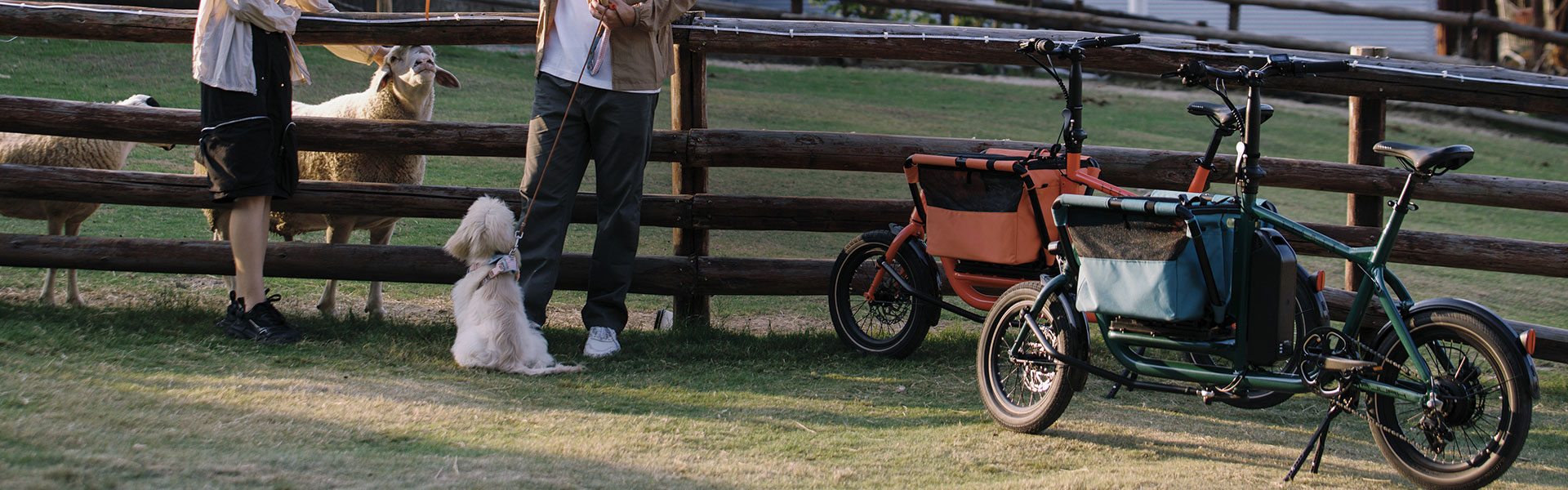
An Urban Cargo Bike can combine passenger seating and cargo storage in a single vehicle. Depending on the design, children can sit in a front cargo box or on a rear passenger platform.
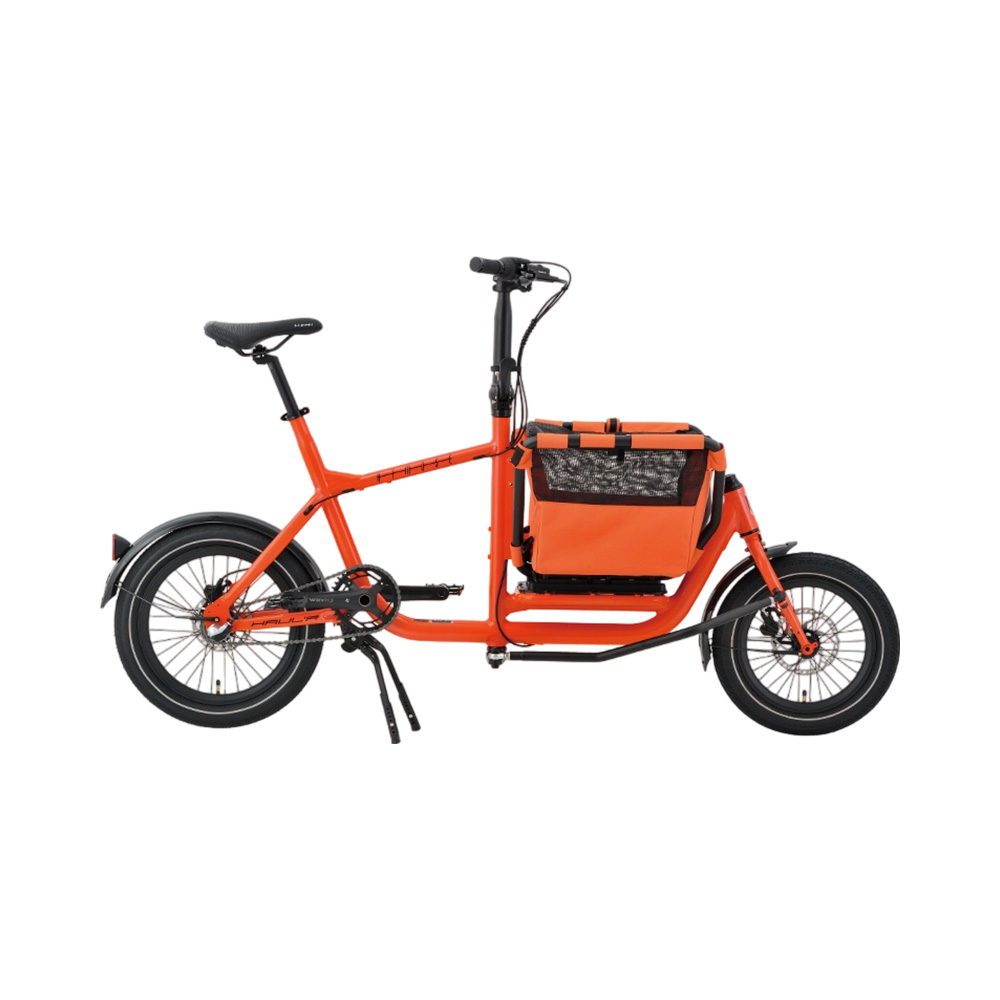
The layout should make it easy to load children, secure them correctly, and maintain control while riding.
Child Carrying Options
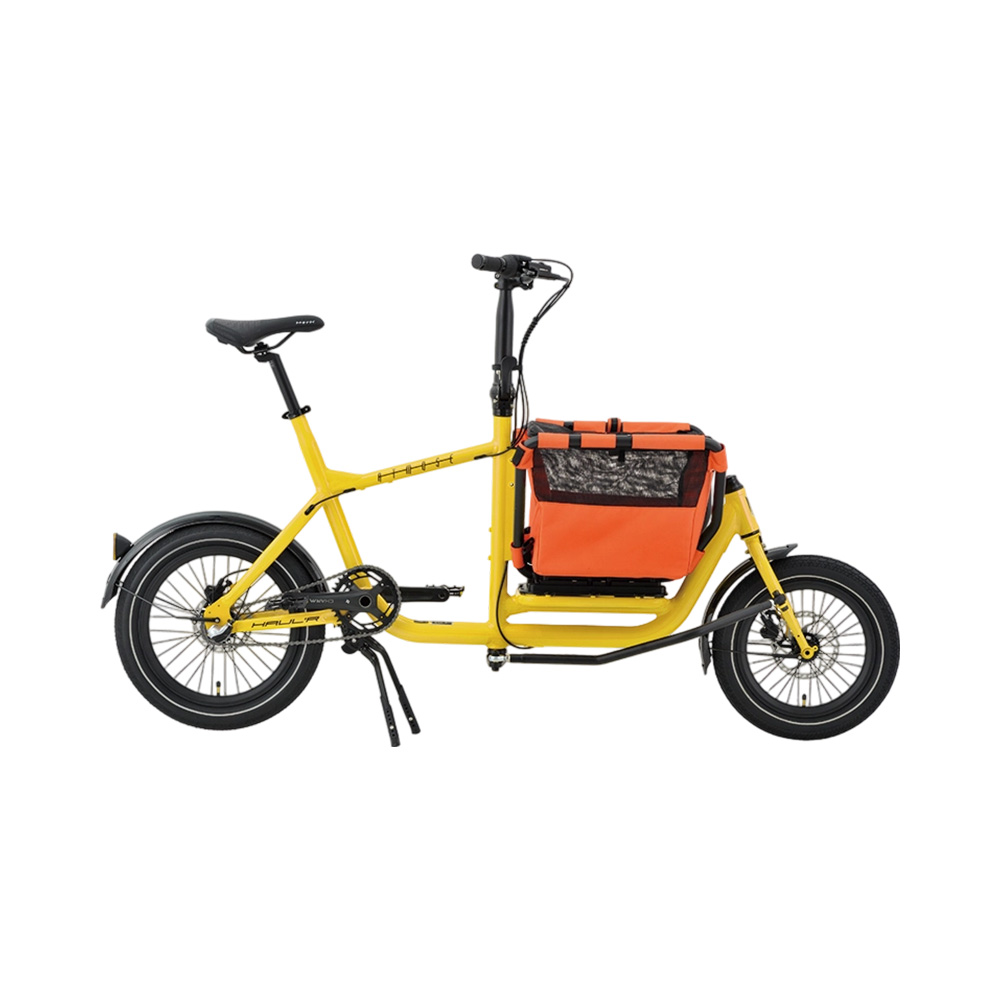
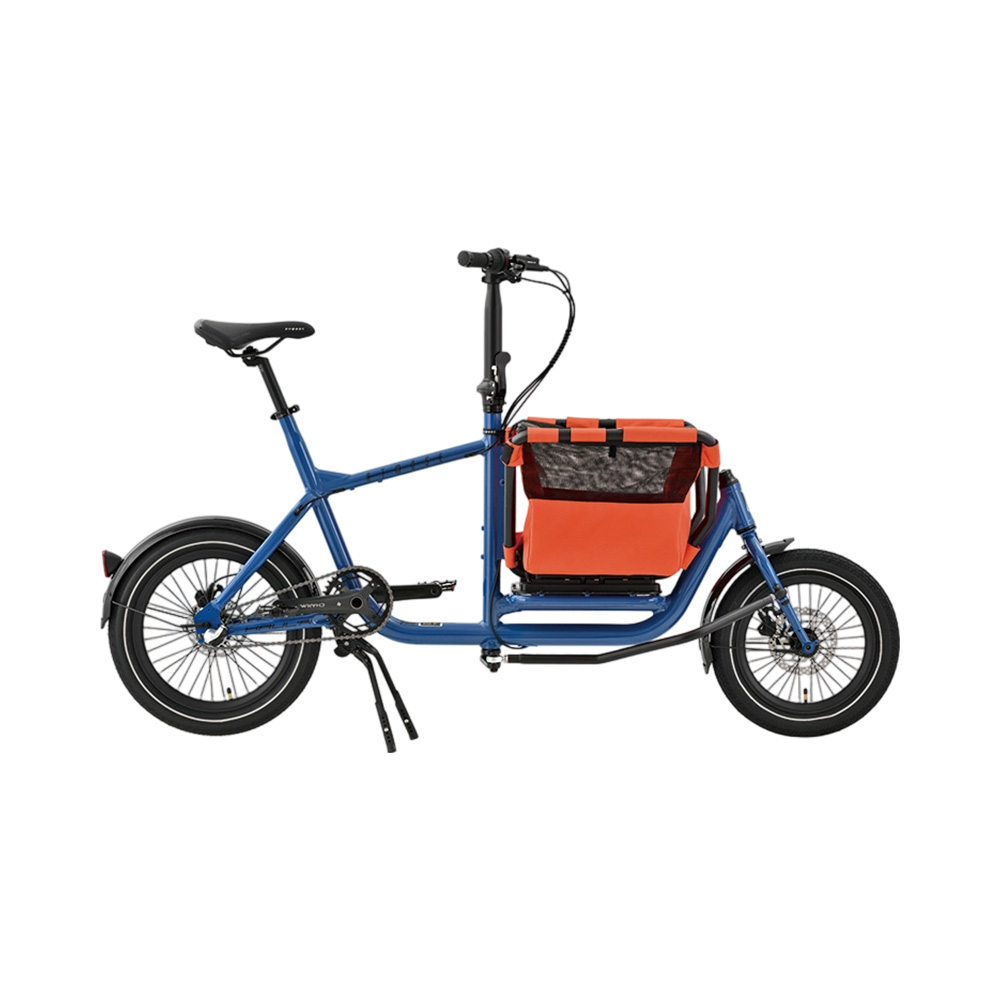
Cargo bikes designed for families can use different passenger arrangements. A front cargo box provides a dedicated space where children can sit close to the rider. This can make communication easier during a journey.
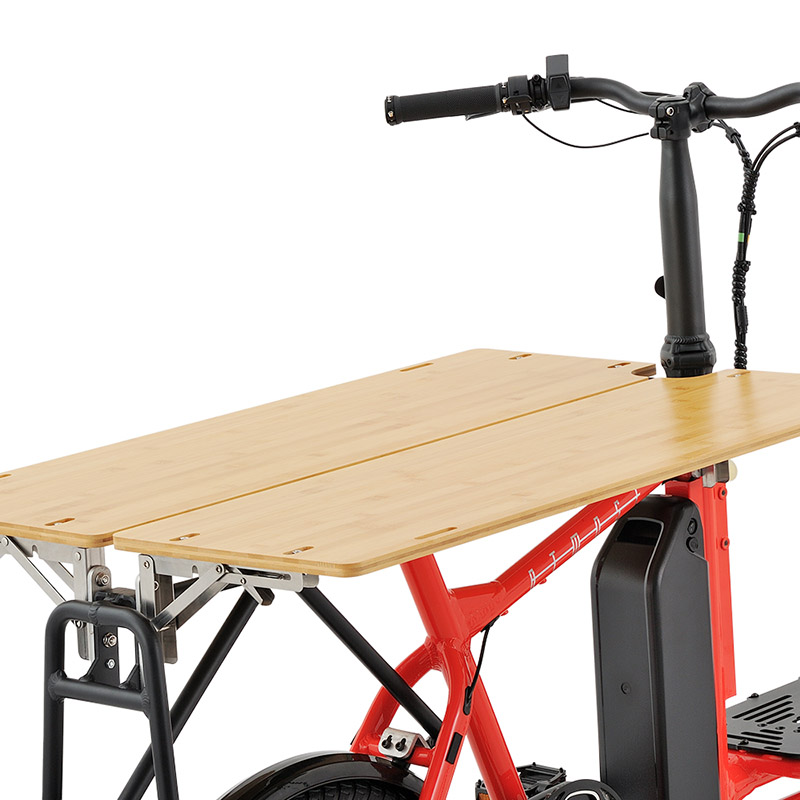
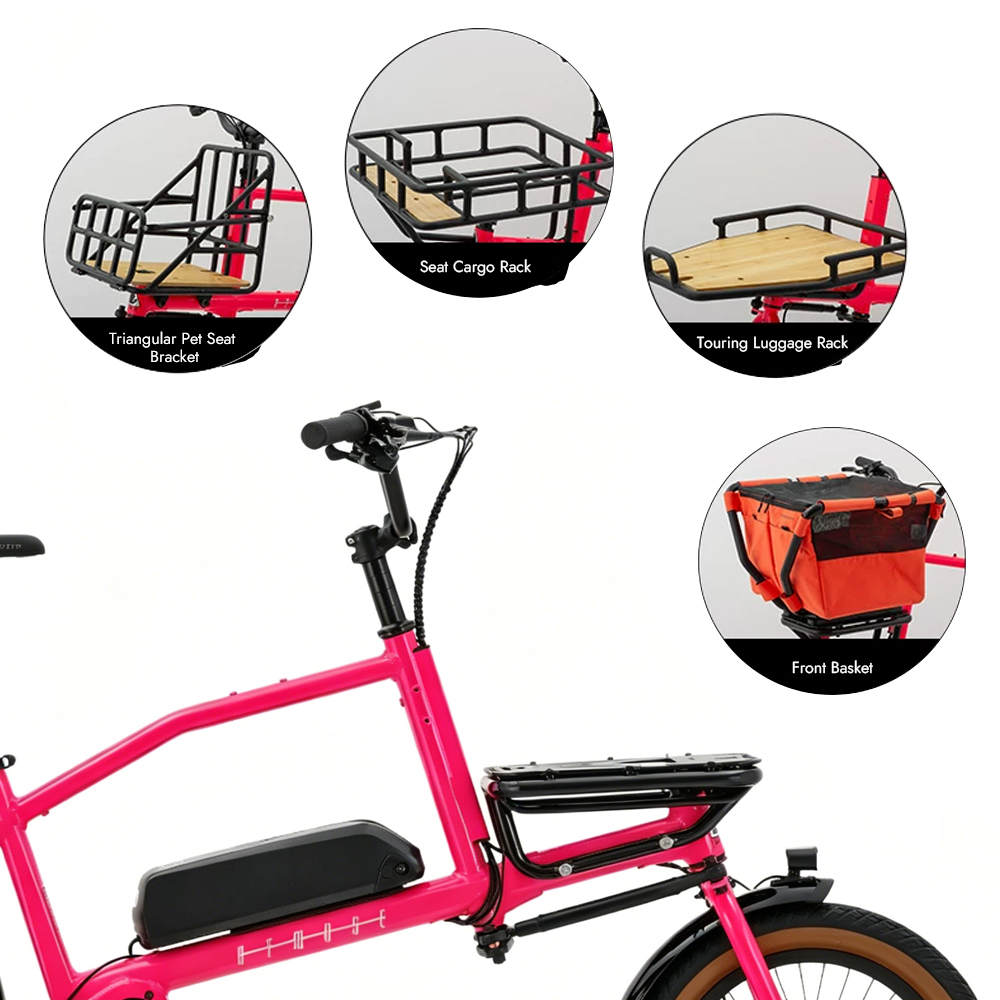
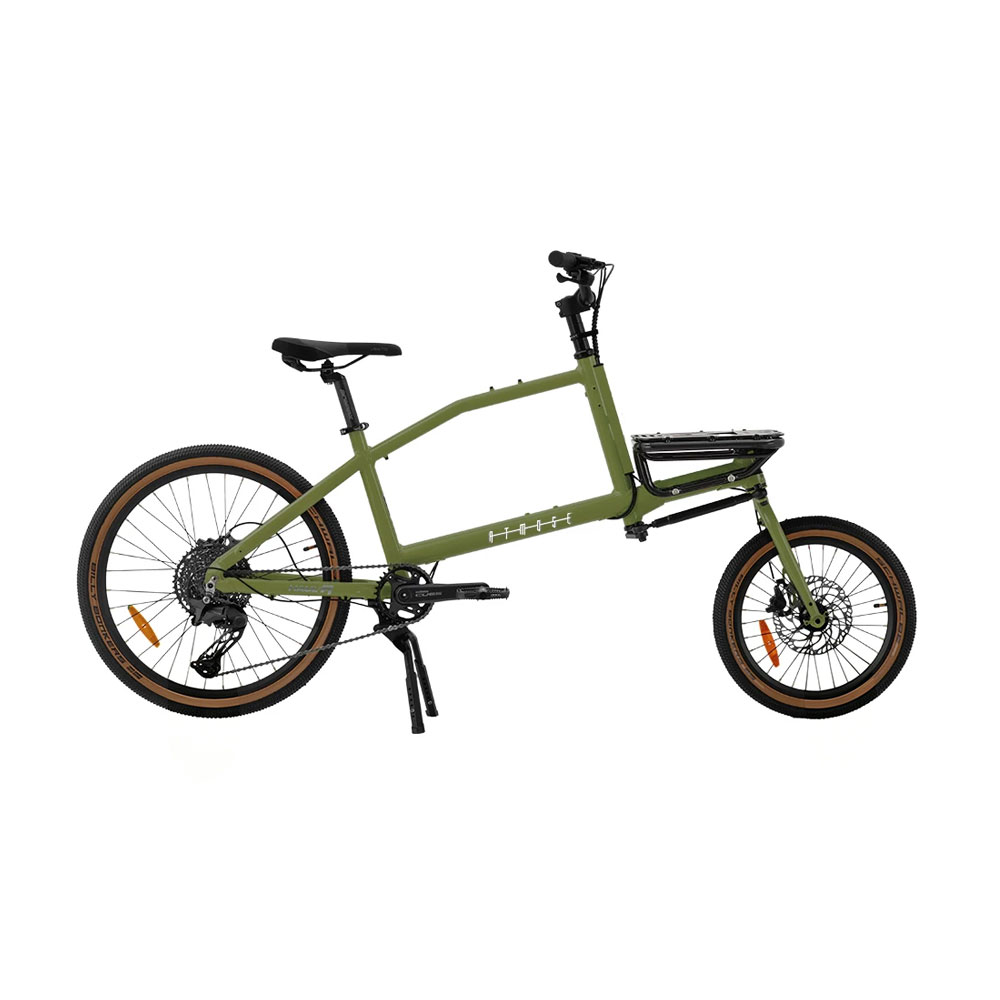
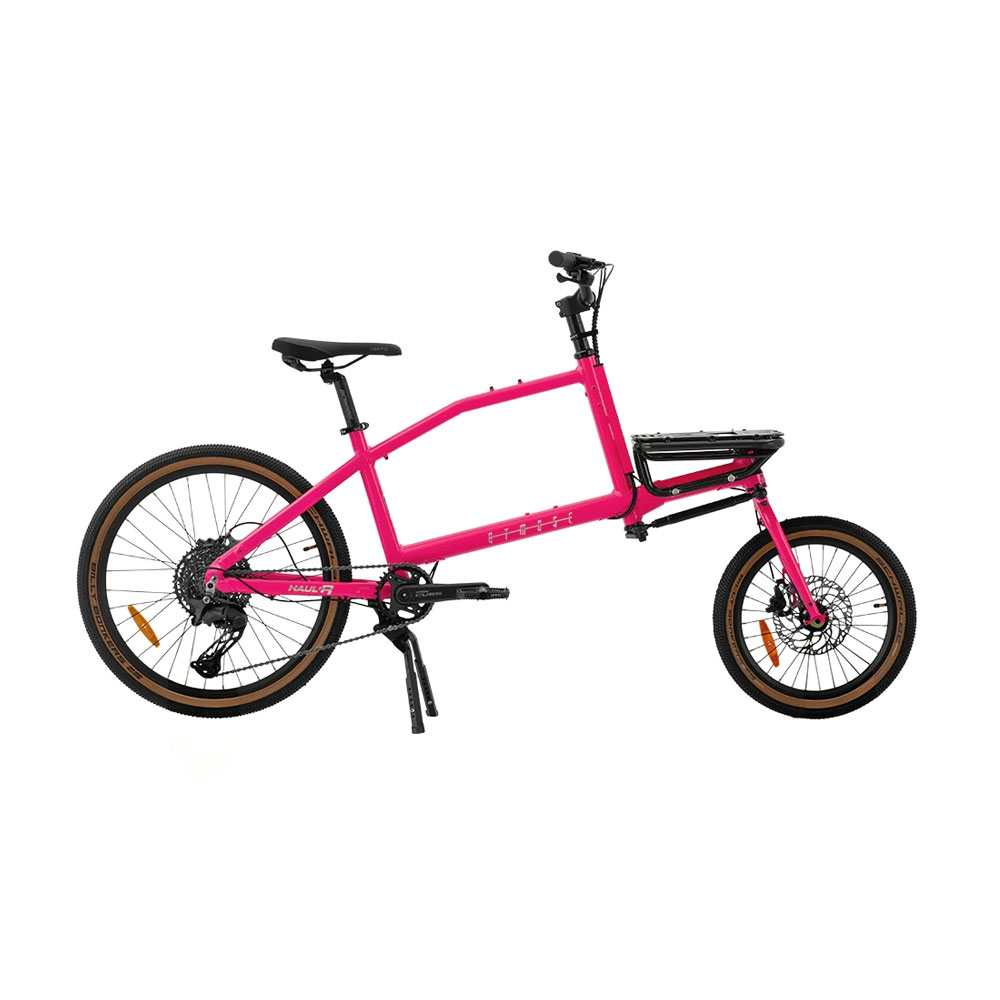
A long rear platform can provide another passenger arrangement. Child seats, footboards, handrails, and protective accessories can be added according to the bicycle design.
The selected seating system should correspond with the childs size and age requirements. Parents should follow the instructions provided for the seat and safety accessories.
The position of the passenger can also affect the balance of the bicycle. A stable arrangement helps the rider maintain predictable handling.
Passenger Safety
Safety equipment is an important part of family transportation. Child seats may use harness systems to keep passengers securely positioned.
Foot protection can prevent childrens feet from approaching the wheels or drivetrain. Handrails can provide additional support when children are seated on a rear platform.
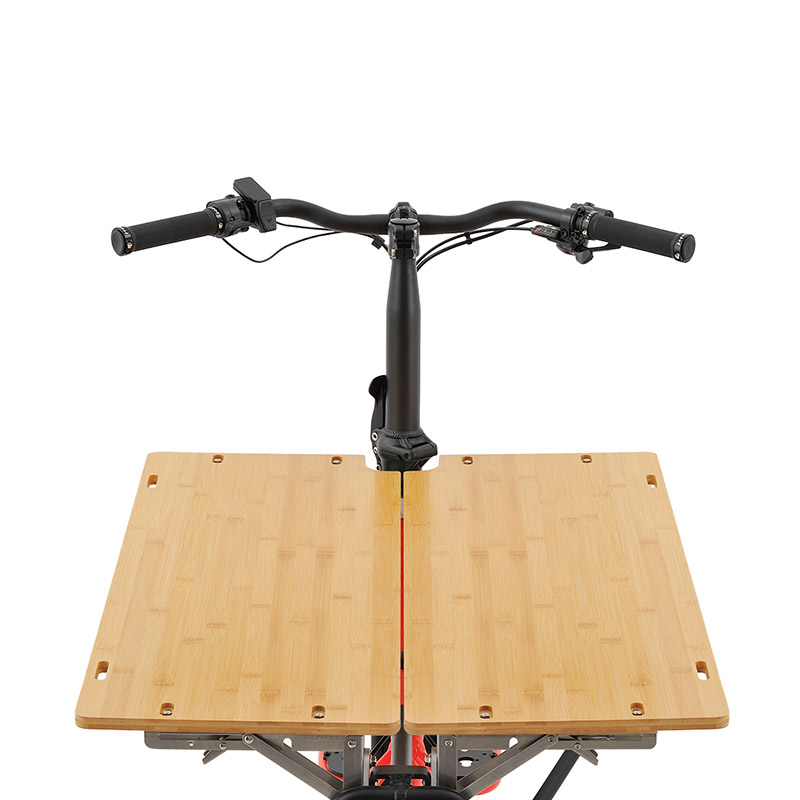
The cargo area should also have a structure that prevents accidental movement during riding. Parents should check that seats, straps, and mounting points are properly secured before each journey.
Lighting and reflective elements can improve visibility when riding near traffic or during low-light conditions.
Loading and Unloading
Family cargo bikes should allow children to enter and leave the passenger area without creating unnecessary difficulty.
A lower access point can make boarding easier. Footboards can provide a stable position for children while climbing onto the bicycle.
The rider should keep the bicycle stable during loading. Using a suitable parking position and securing the bicycle before children enter can help reduce unwanted movement.
Parents should also arrange bags, school supplies, and other belongings so that they do not interfere with the passenger area.
Weather Protection
Weather can change quickly during city travel. Rain covers can protect children and cargo from precipitation, while sun covers can provide shade during warmer conditions.
A covered cargo box may also reduce exposure to wind. Ventilation should still be considered when selecting an enclosed passenger structure.
Weather accessories should fit securely with the cargo bike. Loose fabric or straps should not interfere with wheels, brakes, steering, or pedals.
For daily family use, the ease of installing and removing the cover can also affect convenience.
Grocery and Household Transportation
Family trips often combine passenger transportation with shopping. A cargo bike can provide storage space for groceries, school bags, sports equipment, and household items.
The storage area should be arranged so that heavier objects remain secure and do not shift during riding.
A box, basket, or pannier system can help organize different types of goods. Fragile products can be placed where they are less likely to move.
When carrying both passengers and cargo, the rider should consider the combined load and follow the manufacturers recommended load conditions.
Handling with Children Onboard
A bicycle can feel different when passengers are added. The rider needs to account for changes in weight distribution during starting, stopping, and turning.
Low-speed handling is particularly important when leaving a parking area or approaching a crowded location.
The rider should use controlled movements and allow enough space for turns. Braking distance can also change when additional weight is carried.
Children should remain seated and secured during the entire ride. Parents can establish simple riding rules to help children understand how to behave while the bicycle is moving.
Storage at Home
Home storage can influence the choice of a family cargo bike. Buyers should measure doorways, storage rooms, garages, and other access points before purchasing.
A longtail structure may require a different storage arrangement from a front-loading cargo bike.
Weather protection is also relevant when the bicycle is stored outdoors. A suitable cover can help protect the frame, seat, cargo accessories, and electrical components.
For electric models, the battery should be stored and charged according to the manufacturers instructions.
Choosing a Family Cargo Bike
Families can compare passenger capacity, cargo layout, child safety accessories, frame structure, braking system, weather protection, and storage requirements.
The daily route should also be considered. School streets, residential roads, bike paths, slopes, and shopping areas can create different riding conditions.
A practical family cargo bike should fit the household routine, passenger needs, storage environment, and riding habits.
Sep 11, 2026
Sep 04, 2026
Aug 03, 2026


info@atmosecargobike.com

200 rue de la Croix Nivert 75015 Paris

Custom Electric Bakfiets
 English
 Français
 Deutsch