Oct 02, 2026
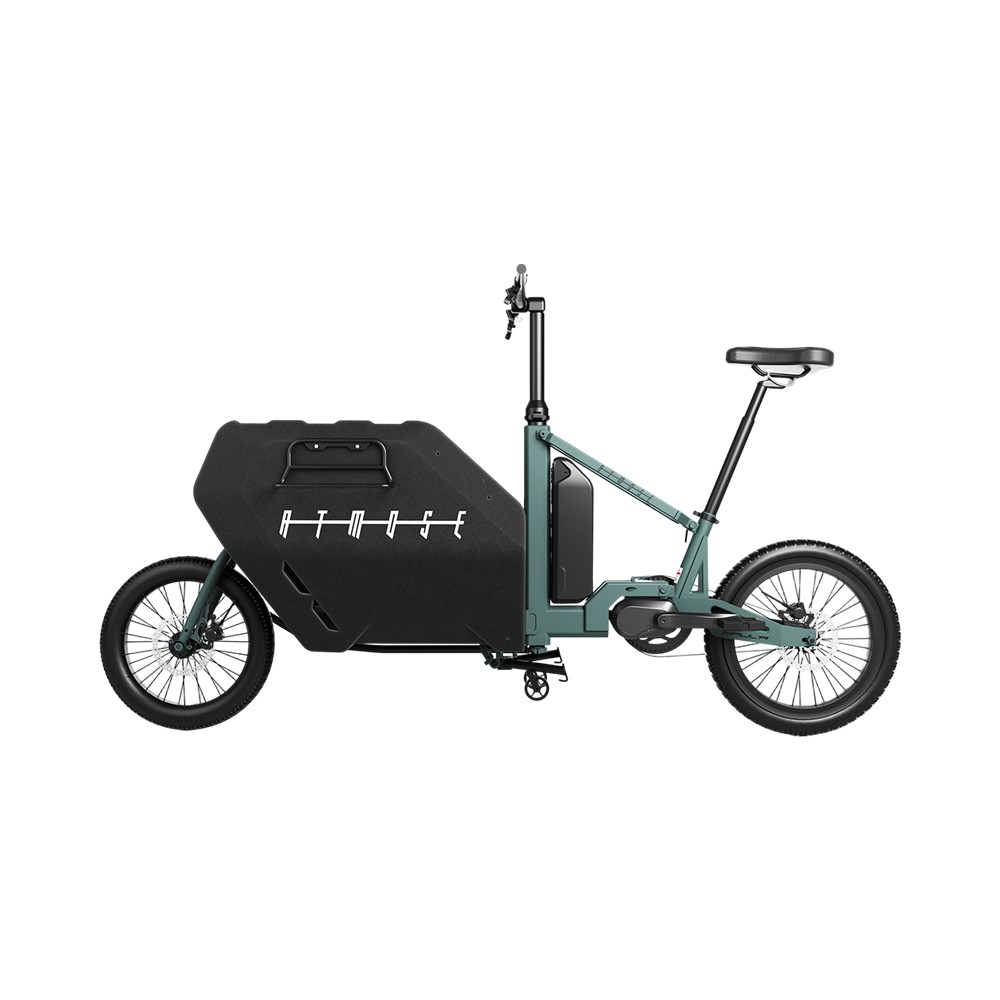
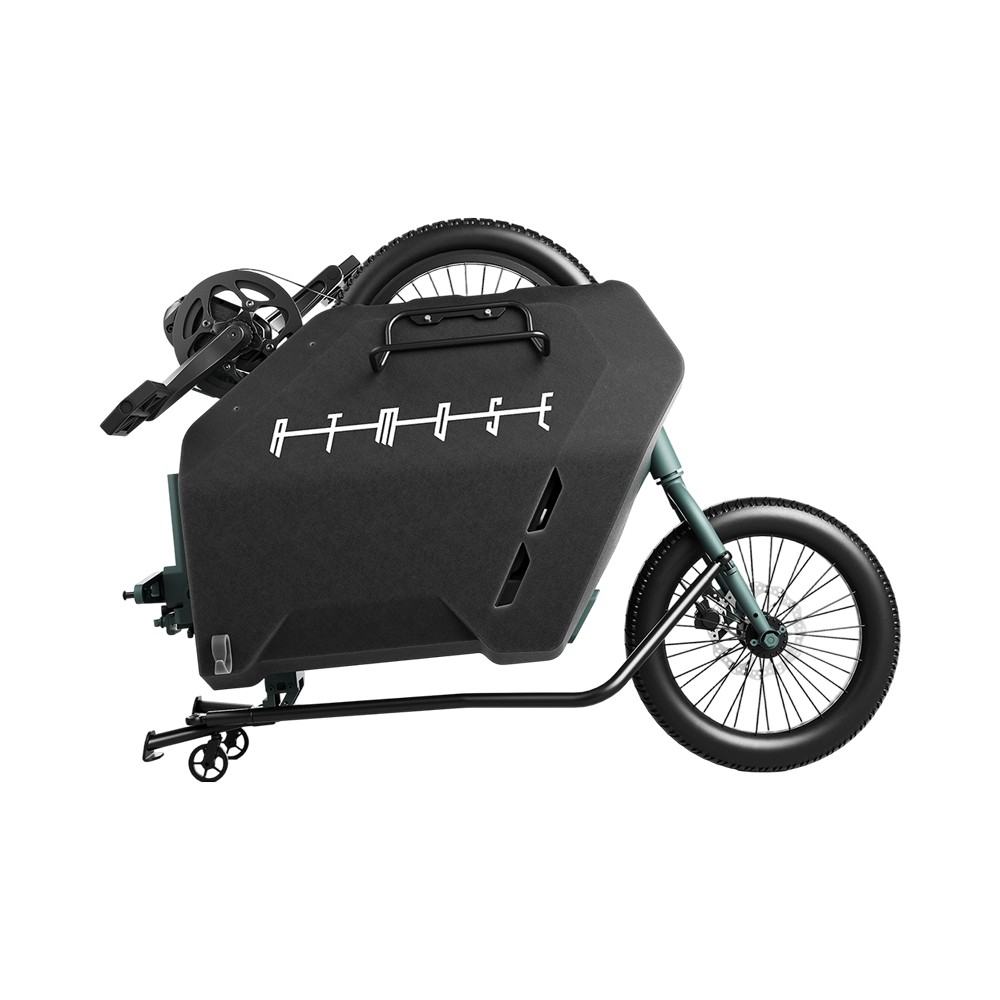
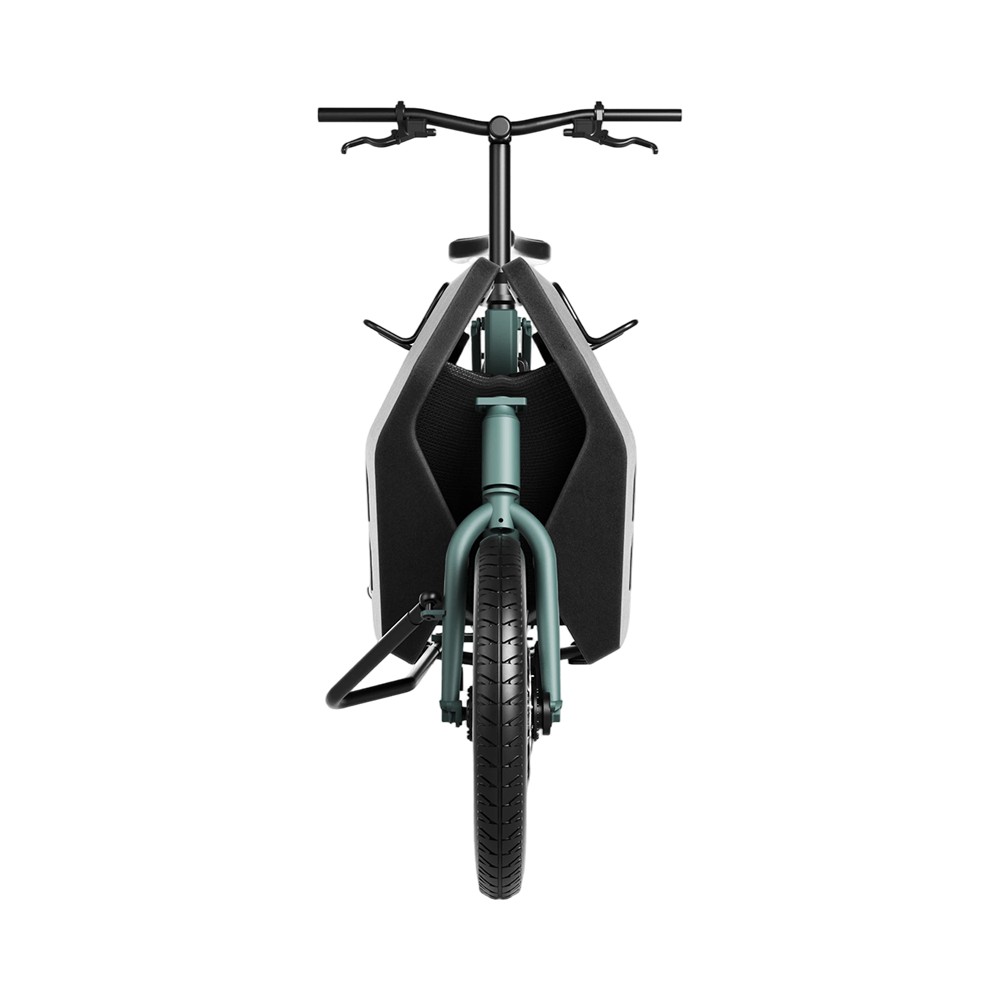
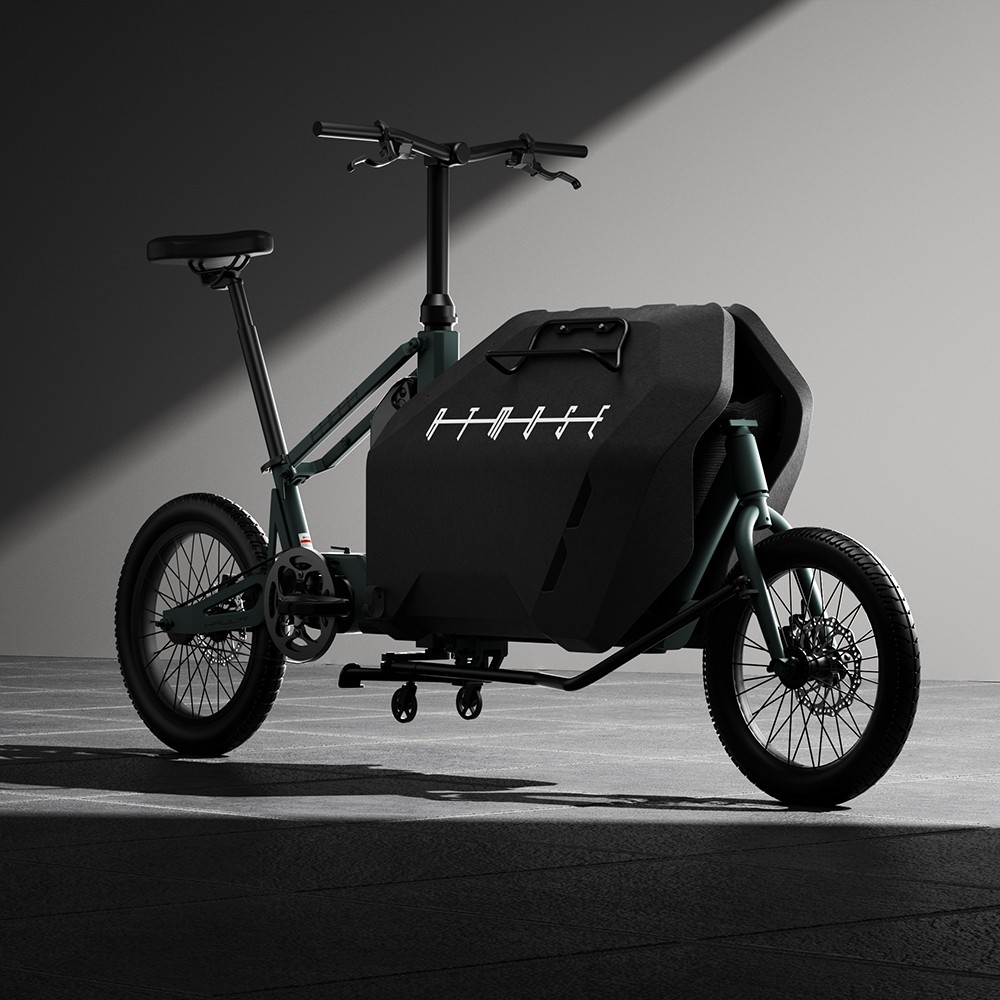
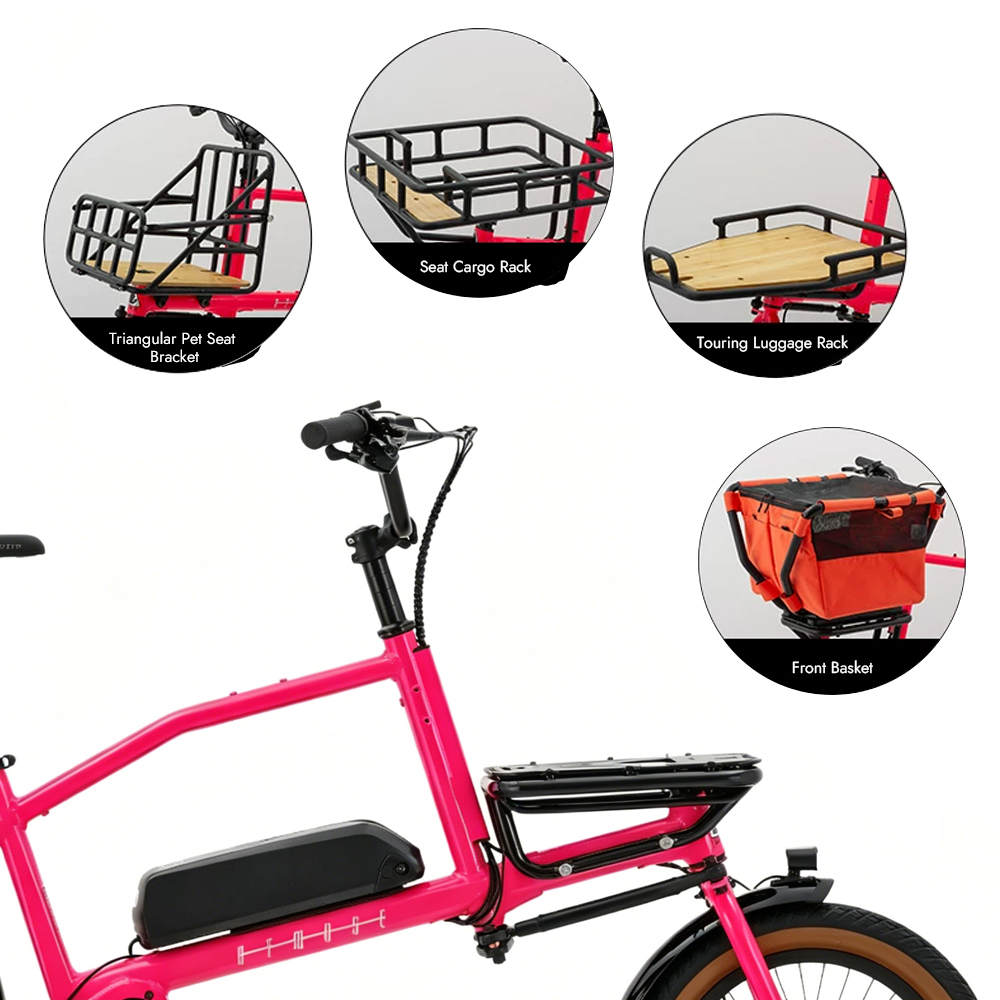
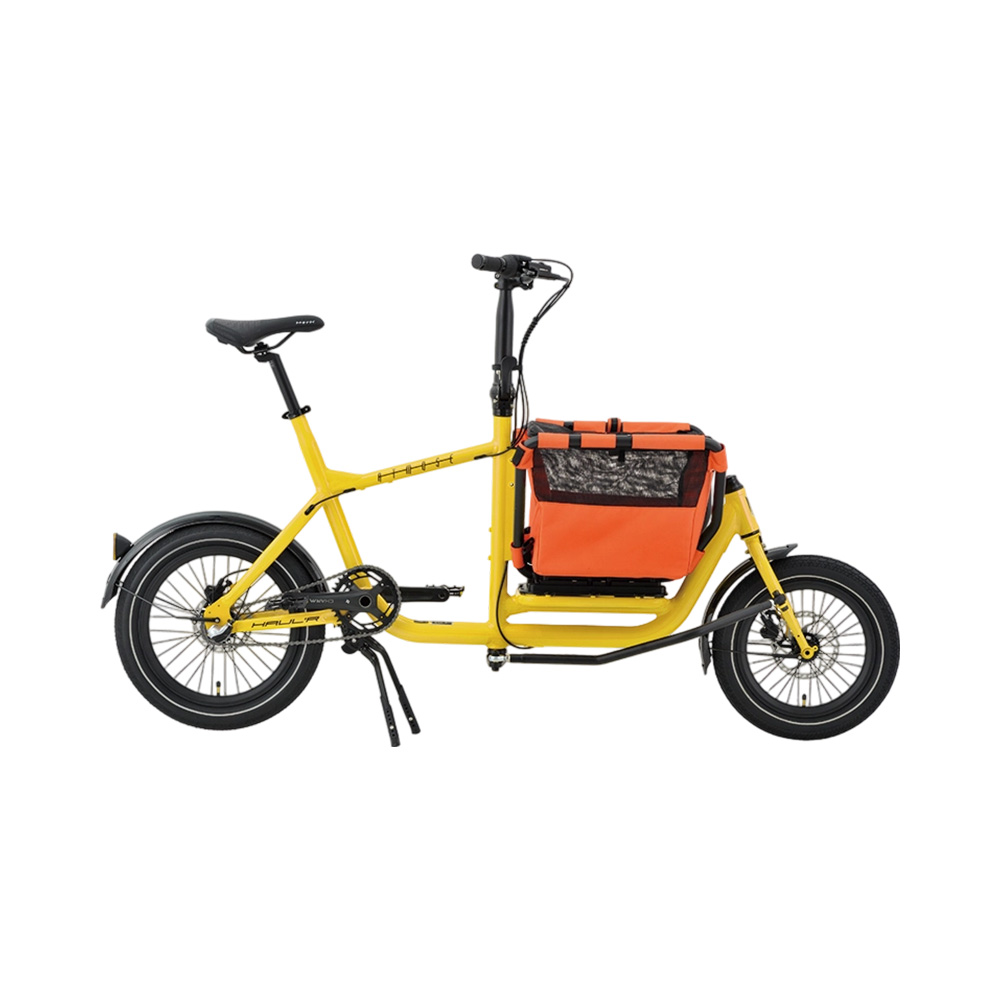
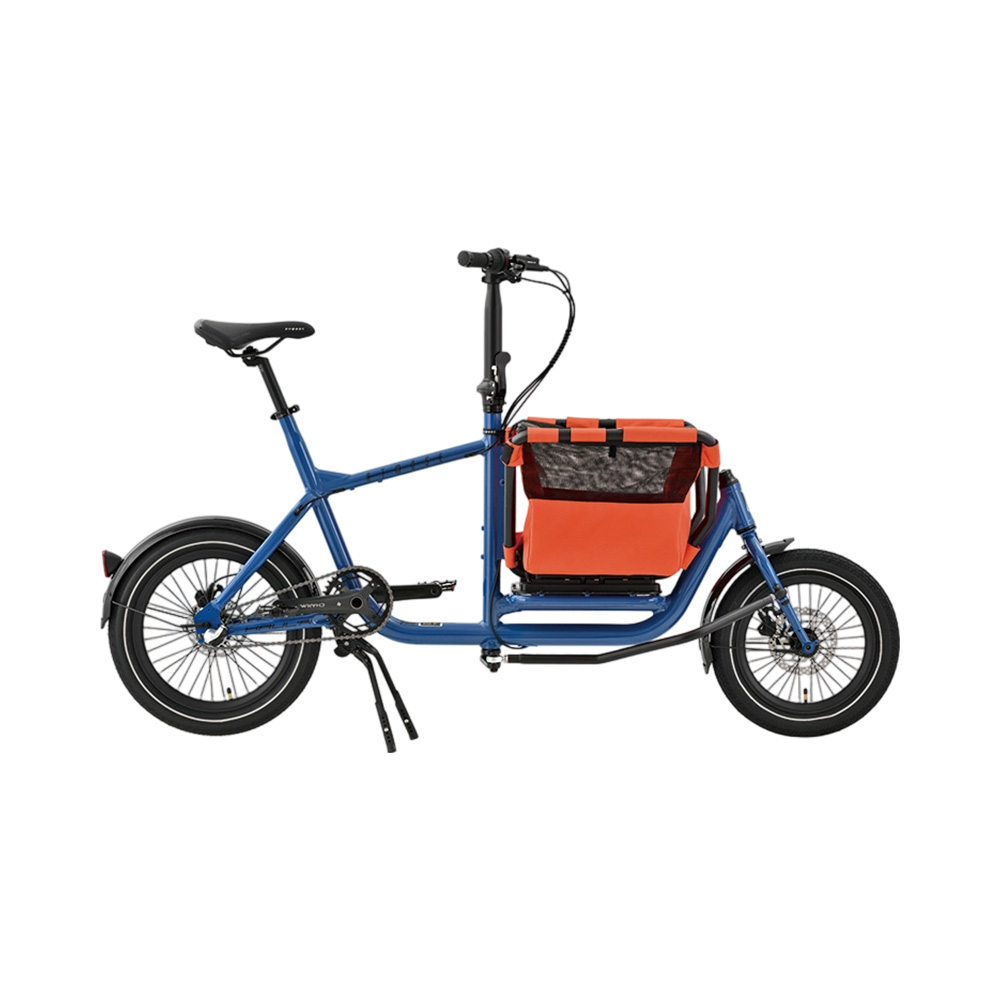
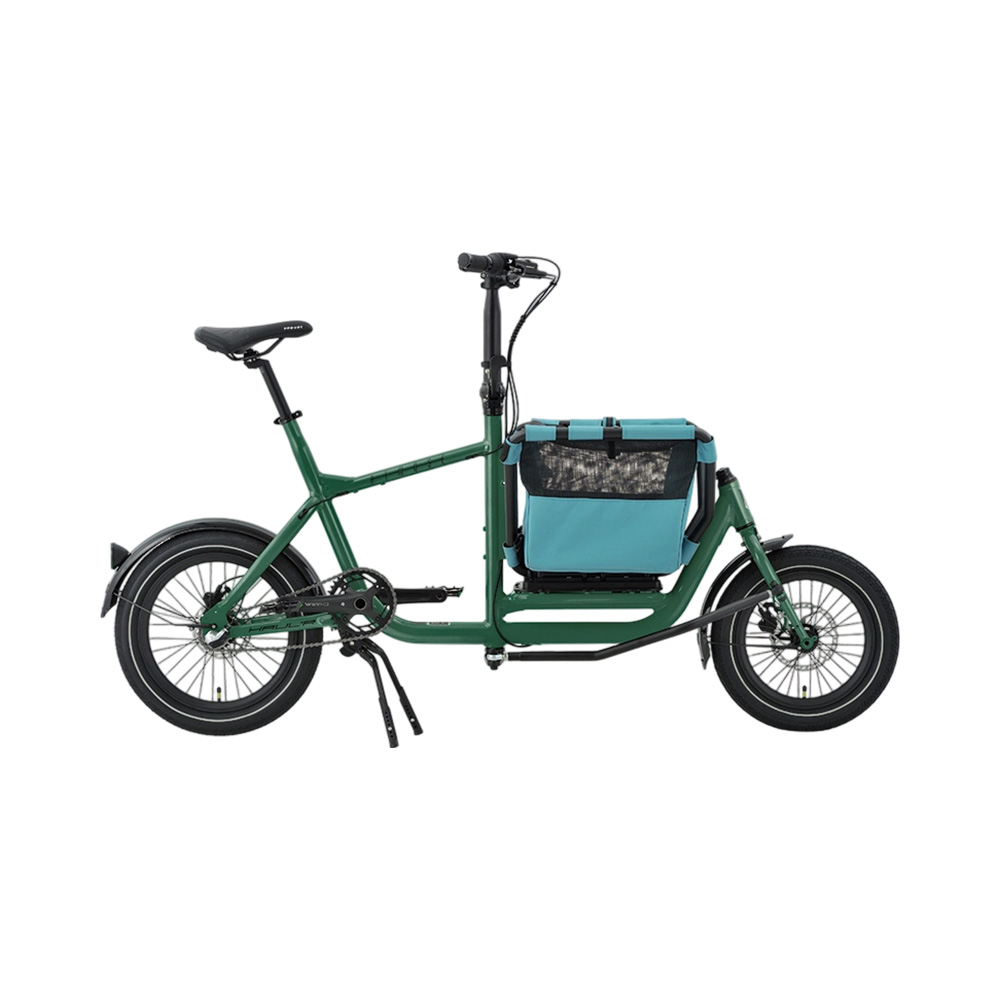
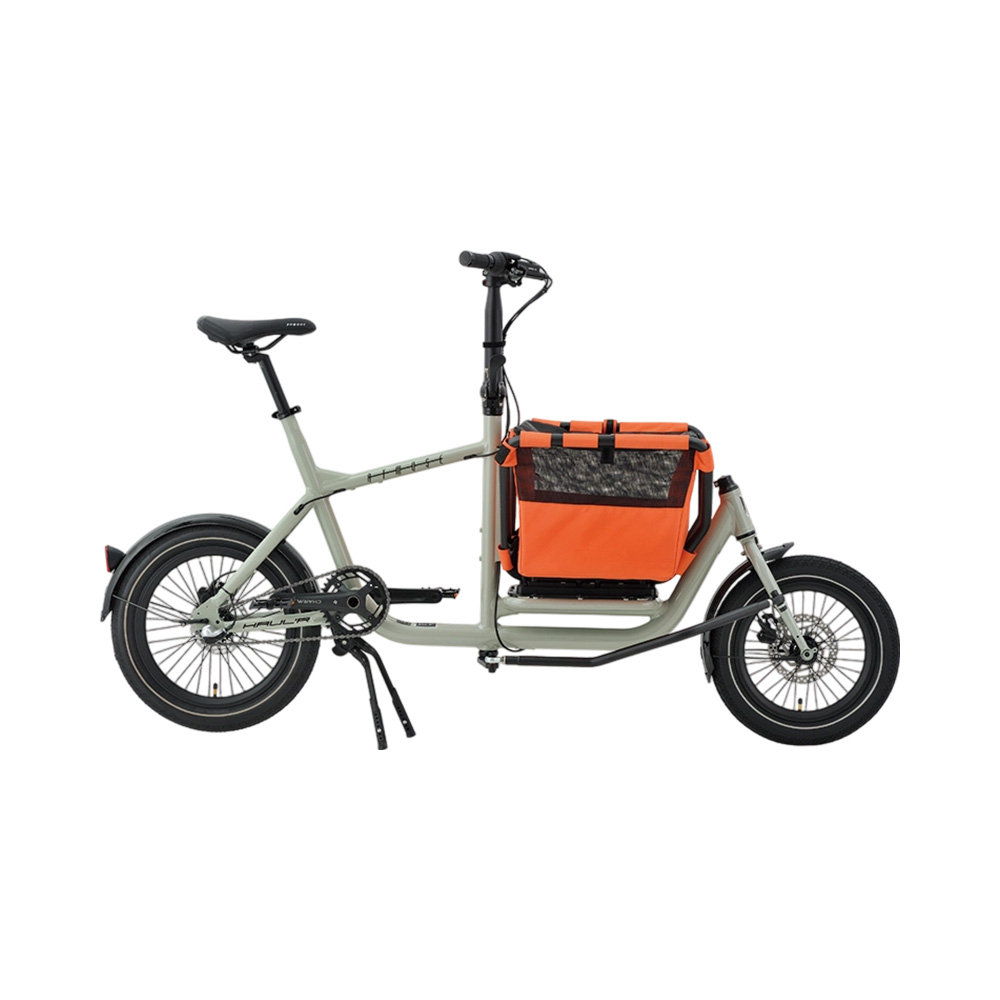
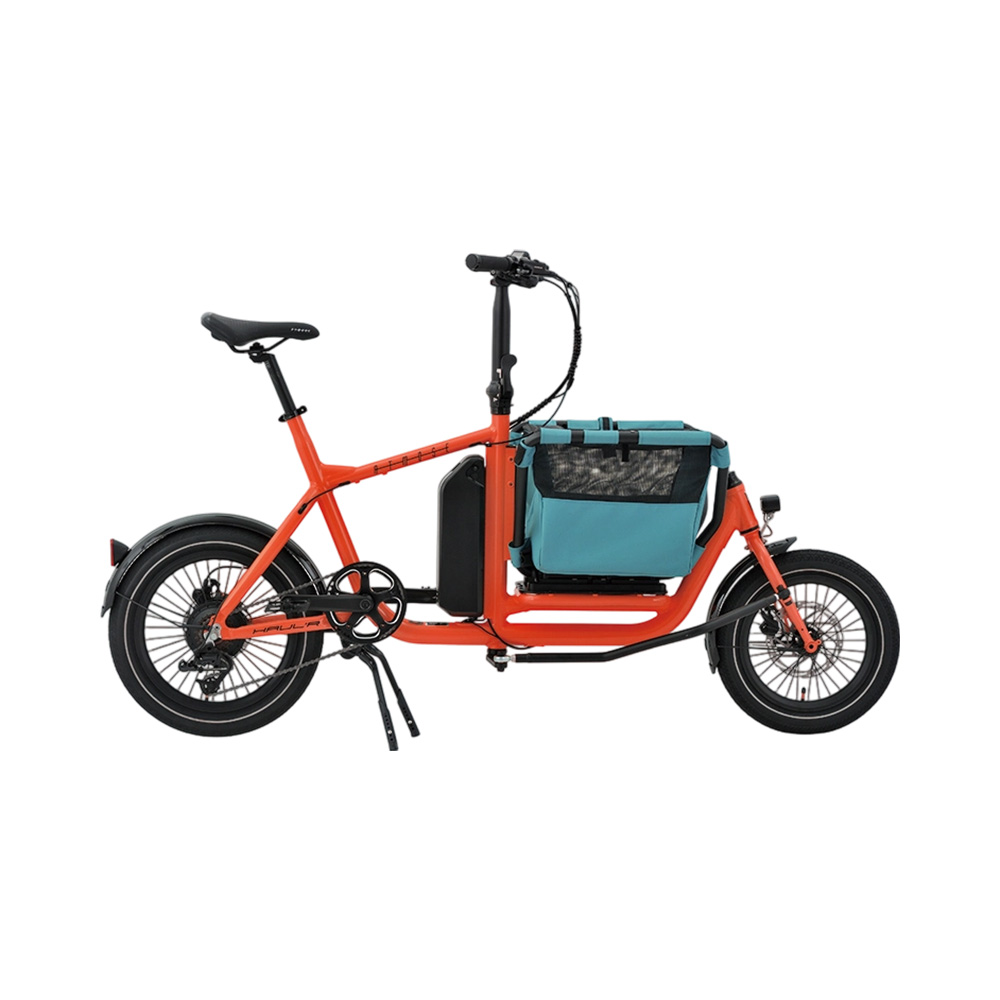
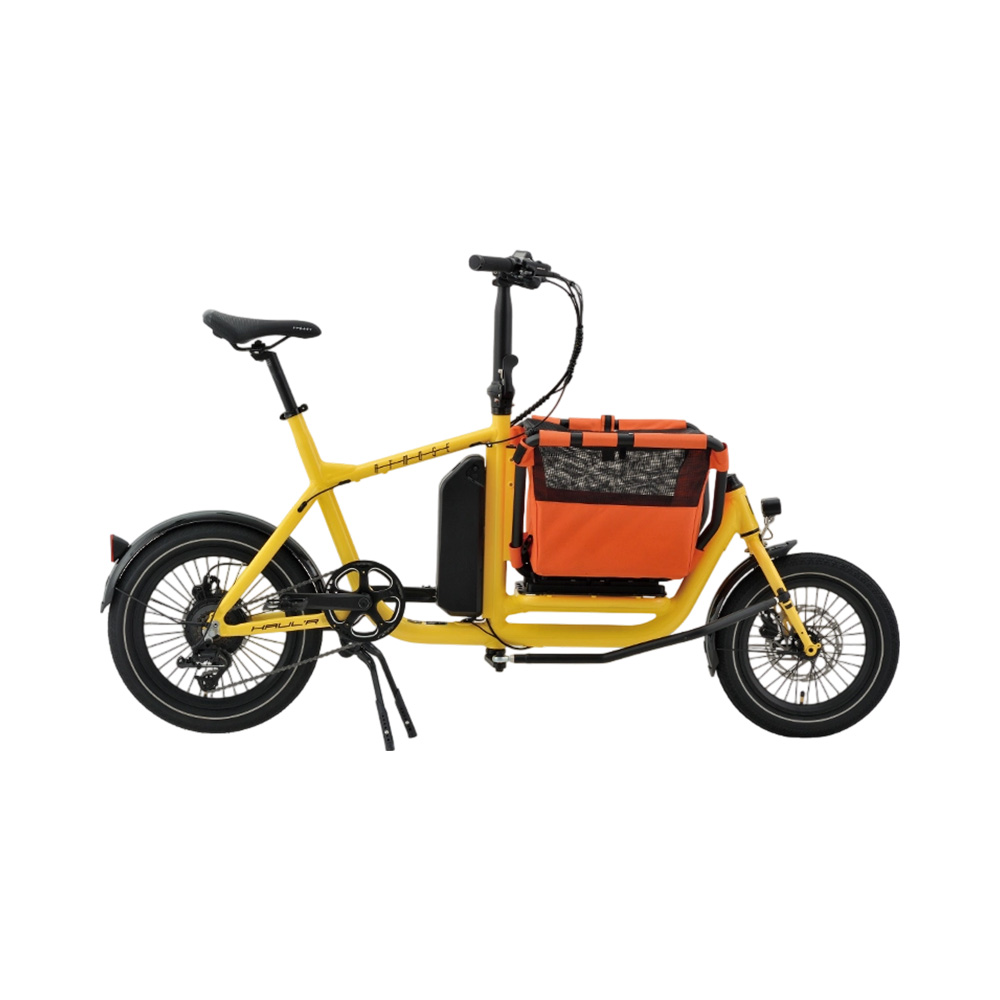
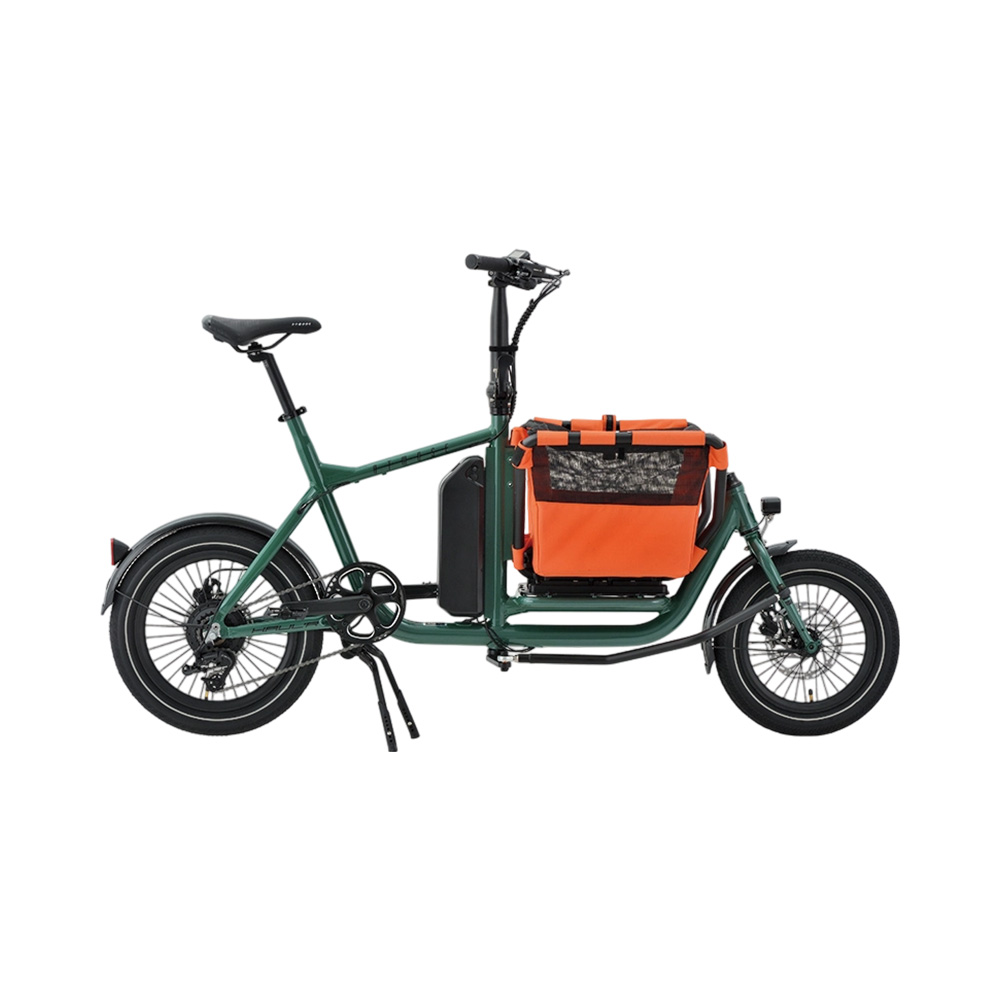
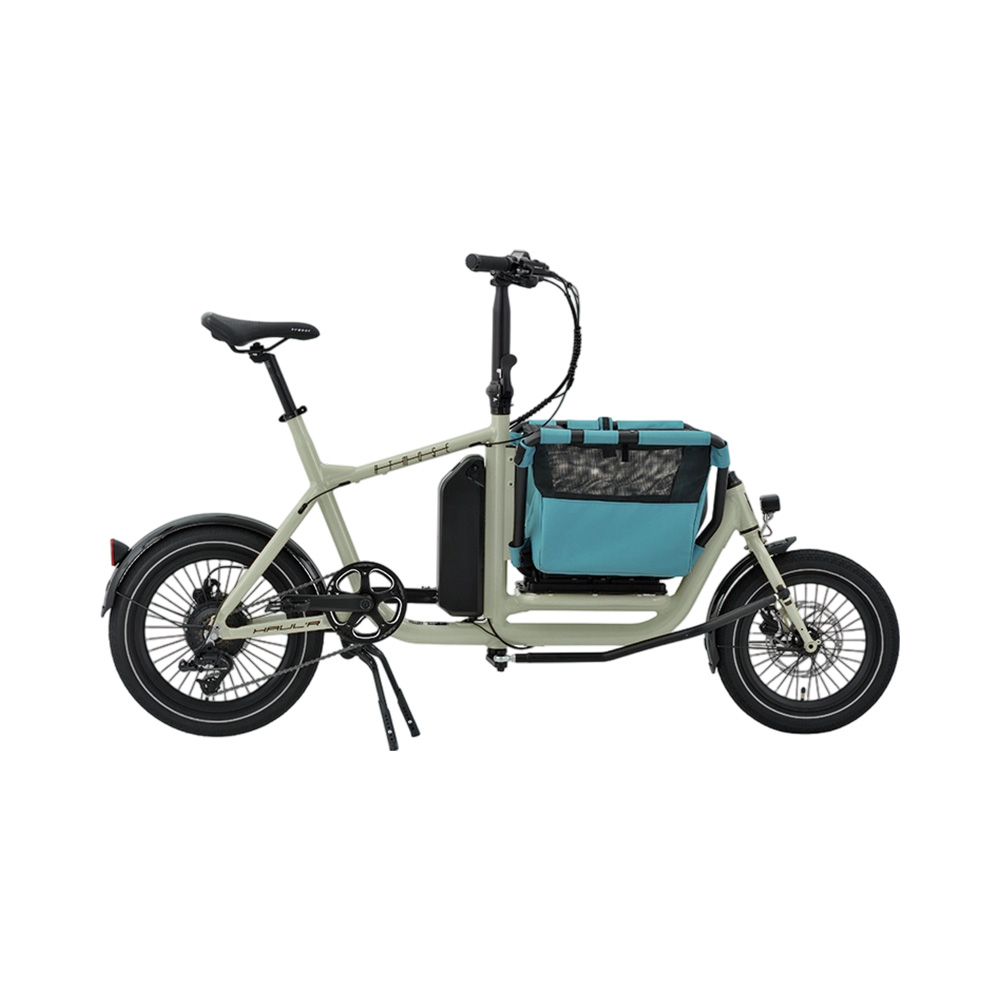
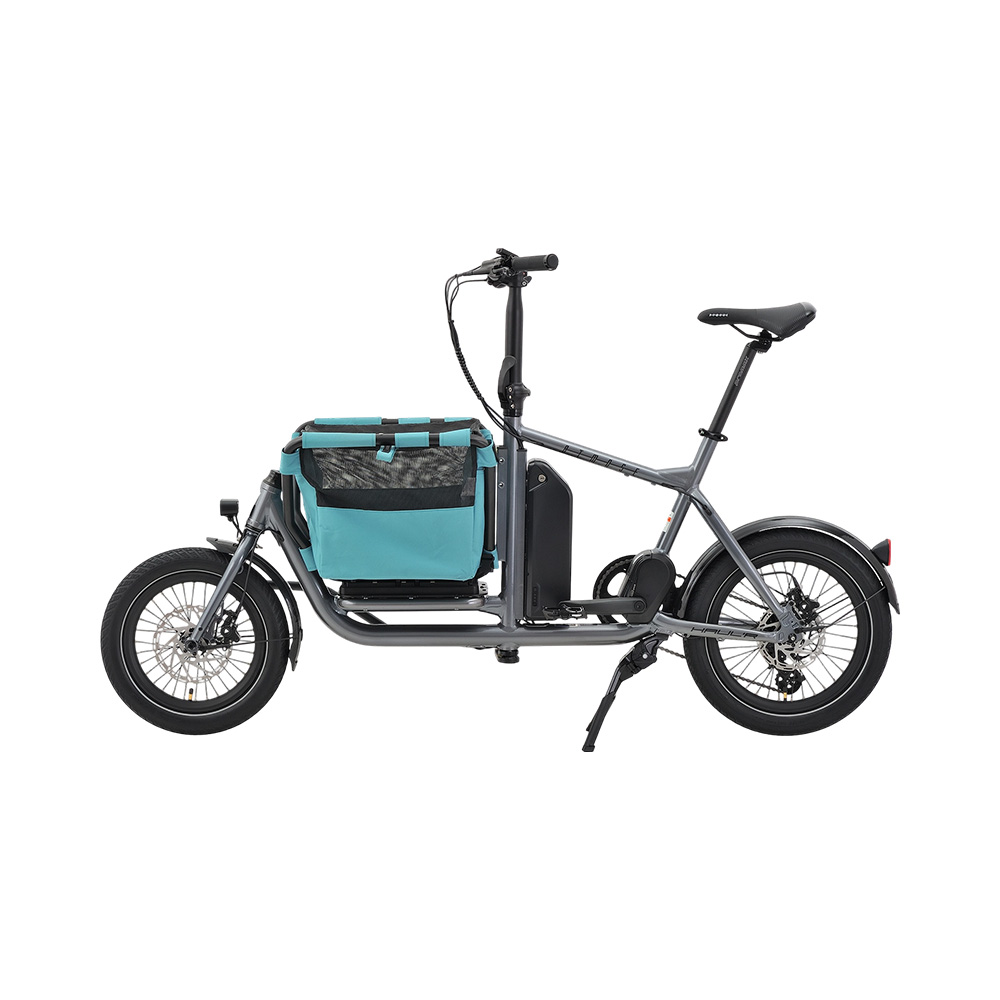
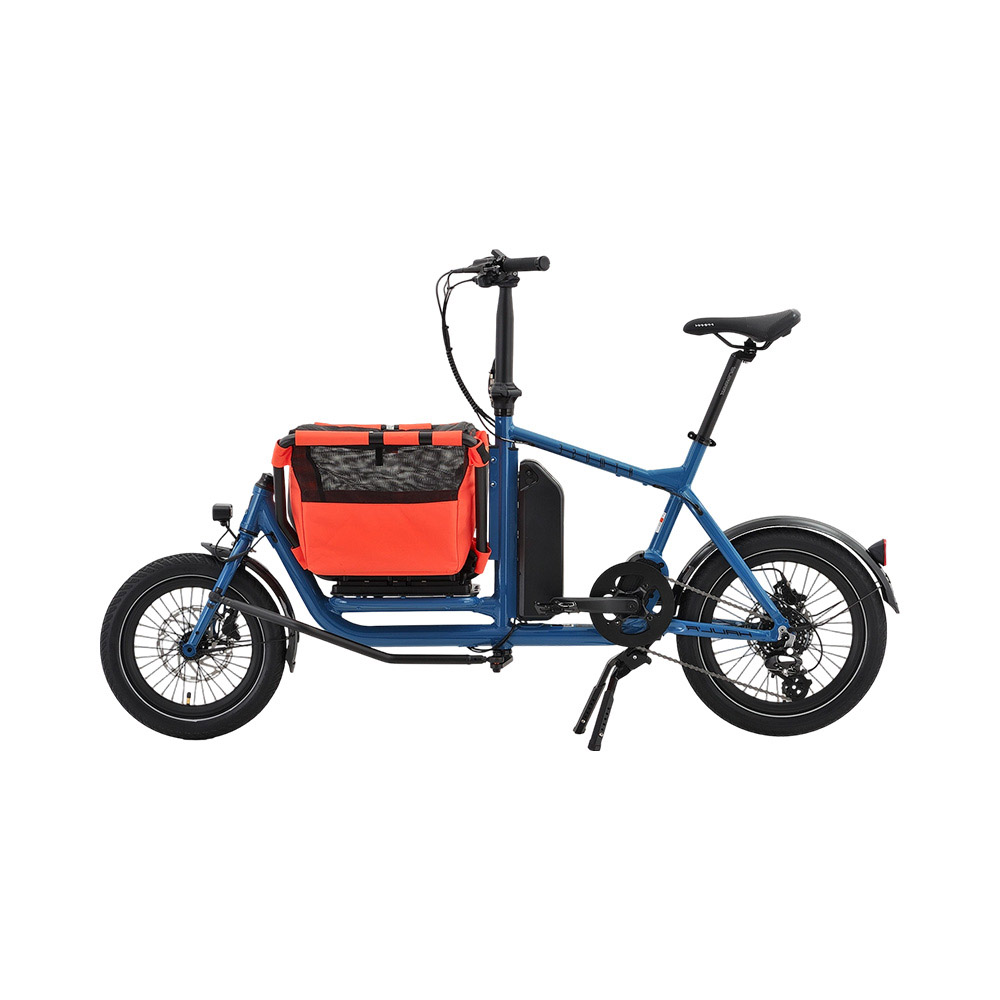
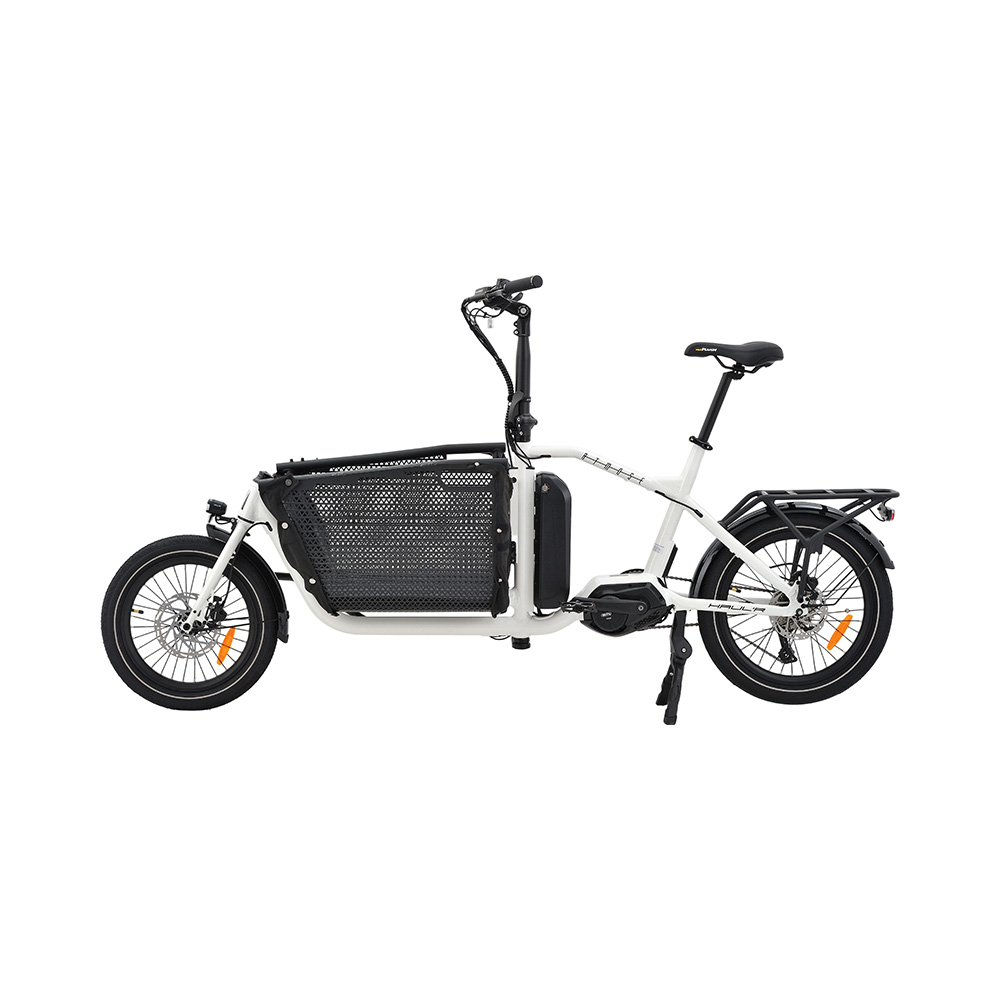
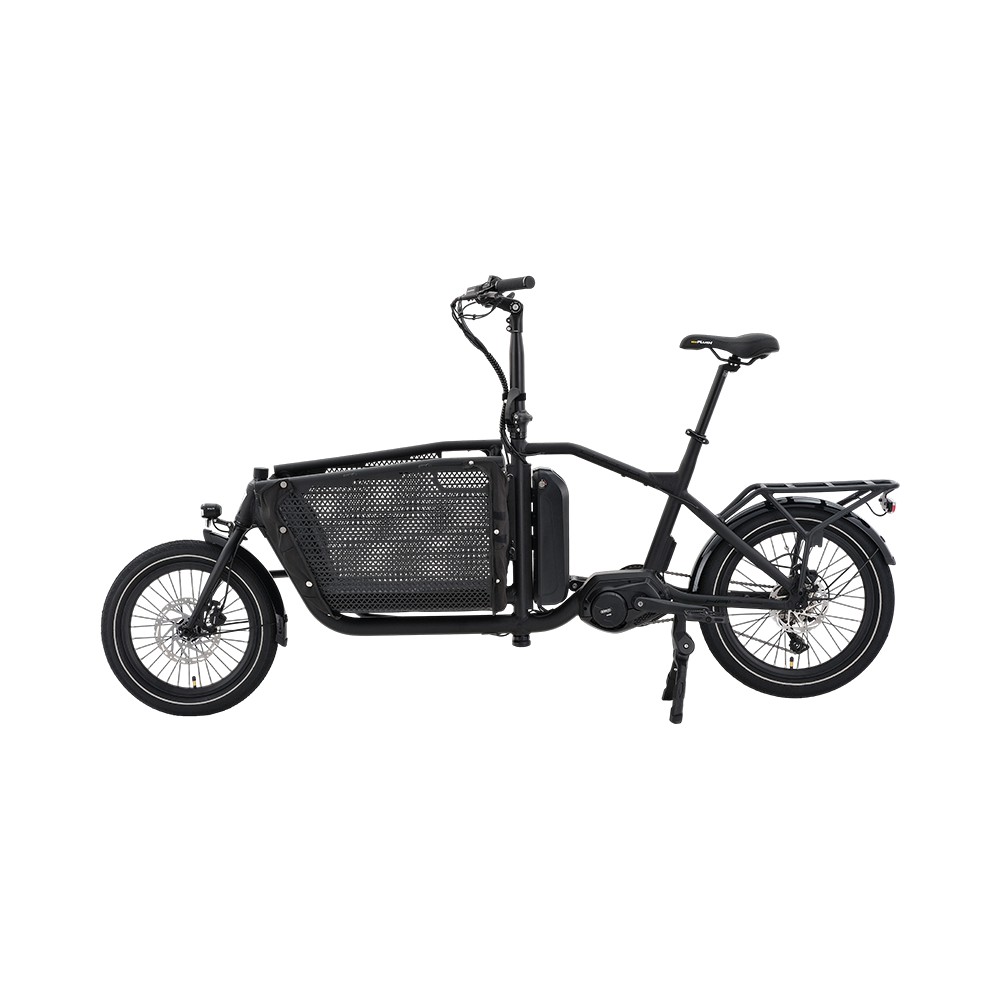
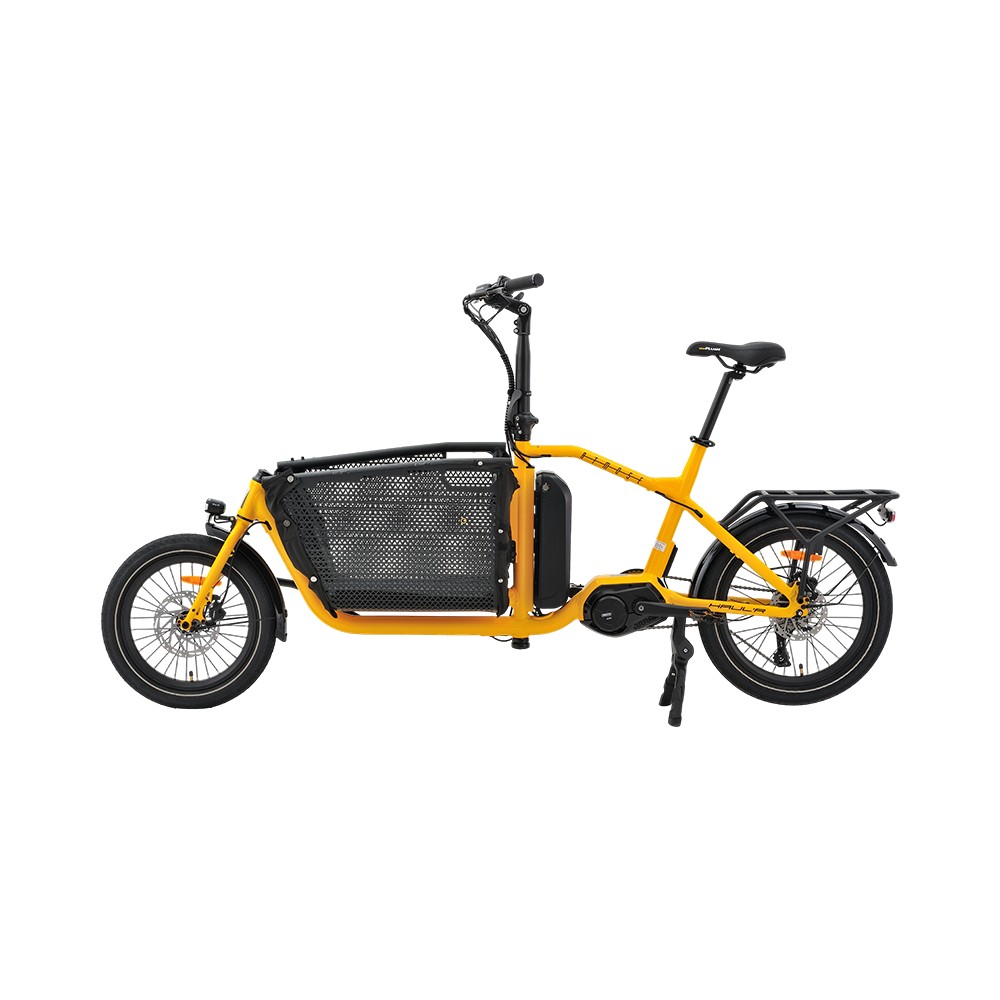
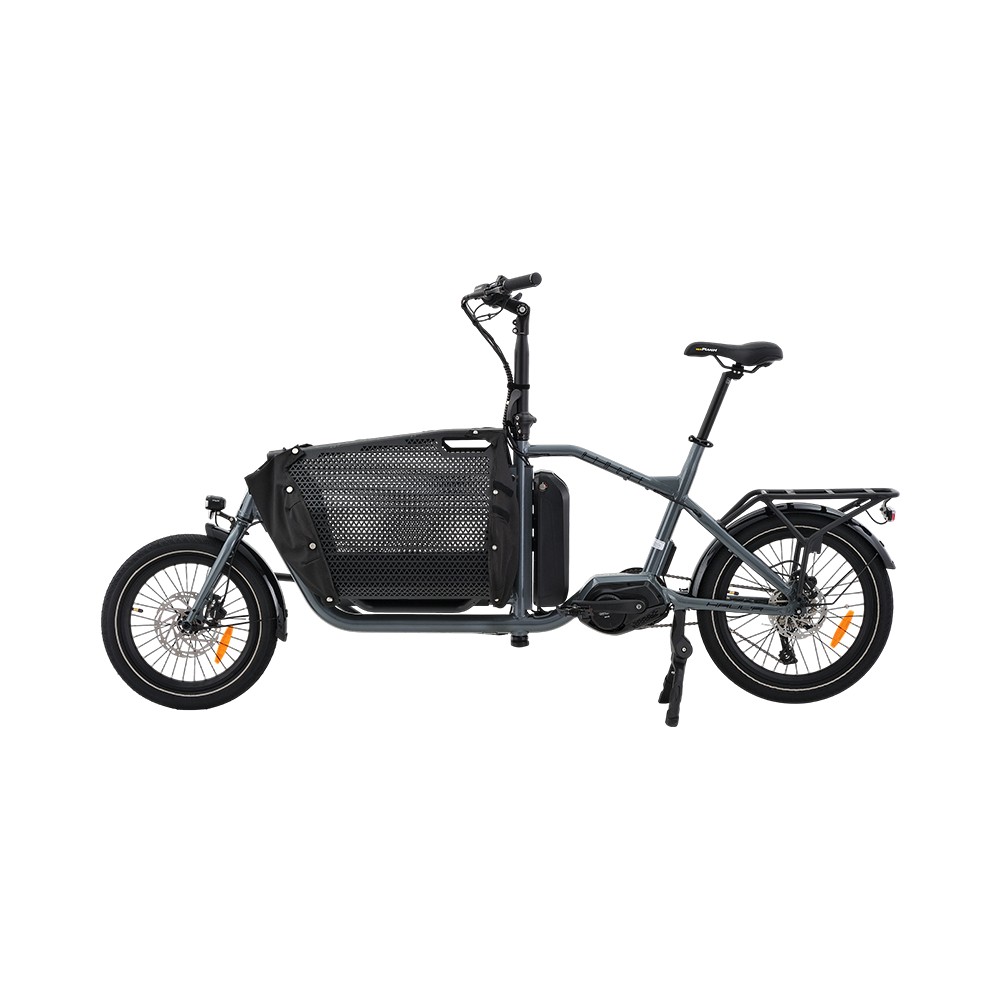
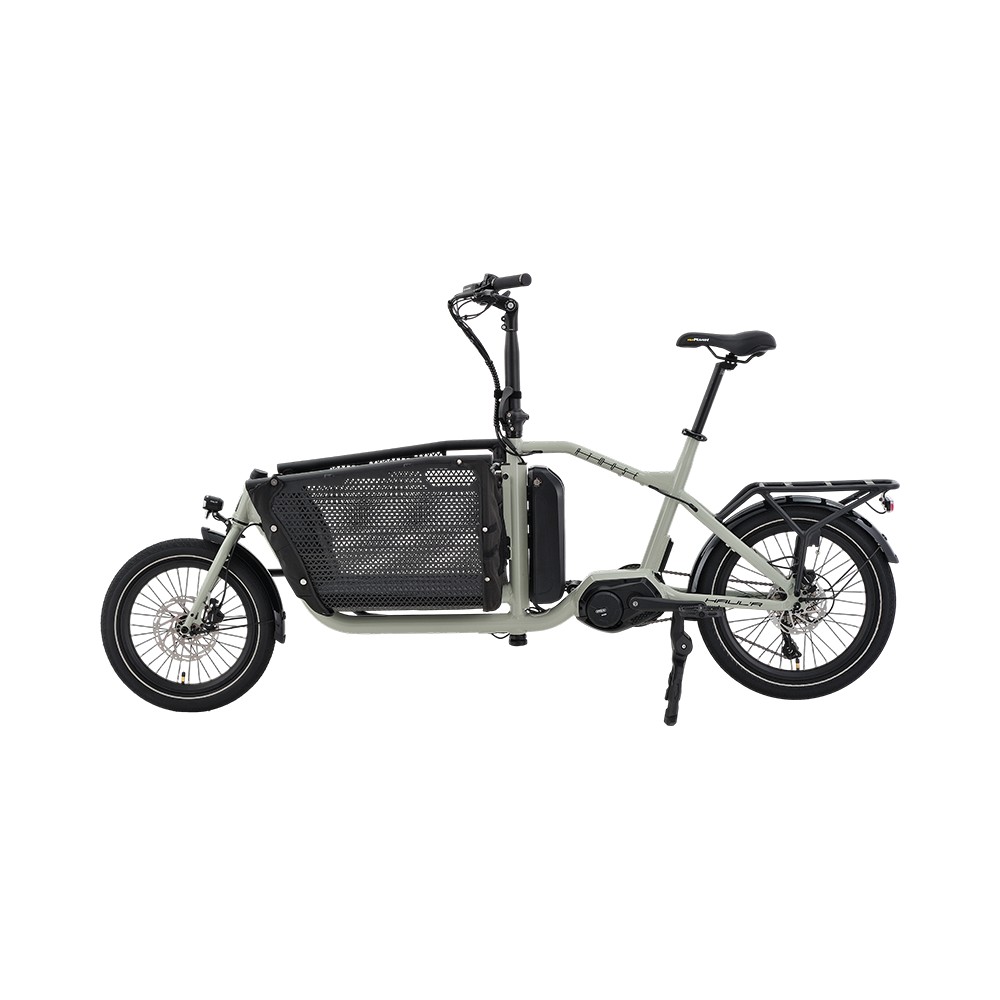
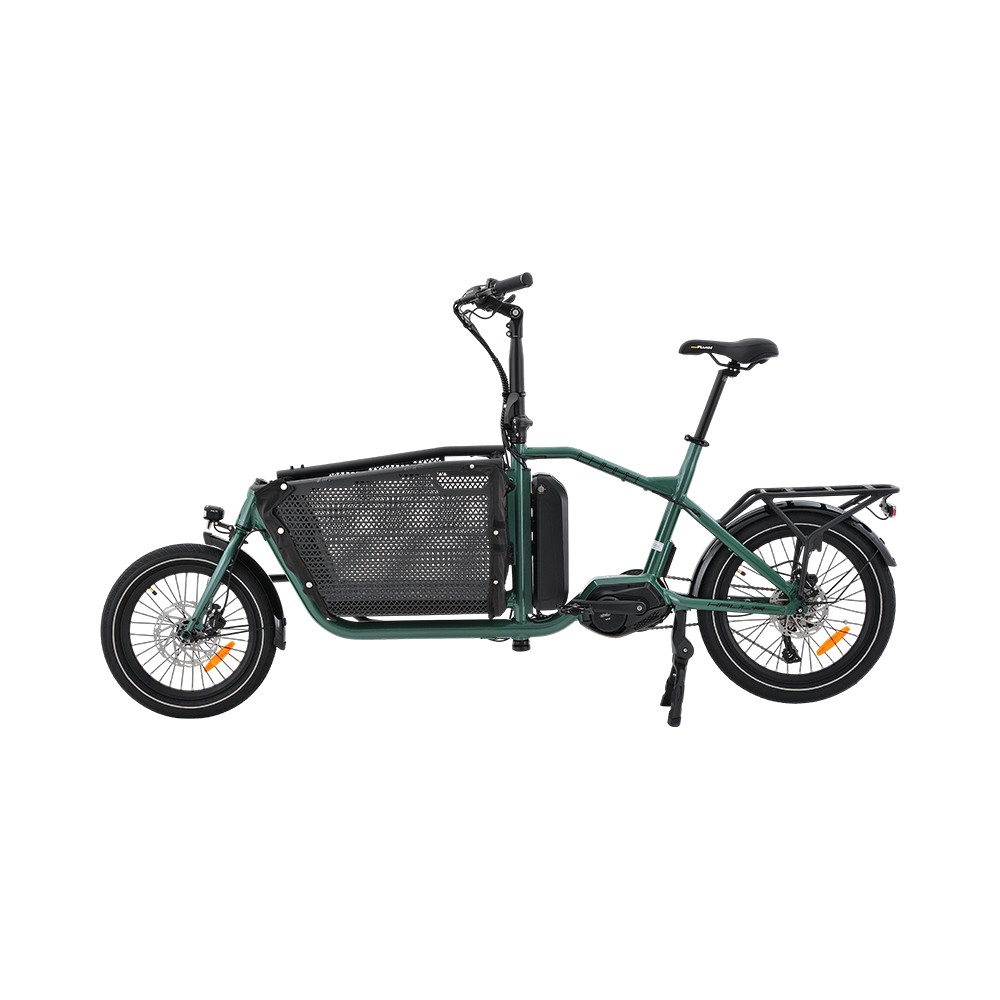
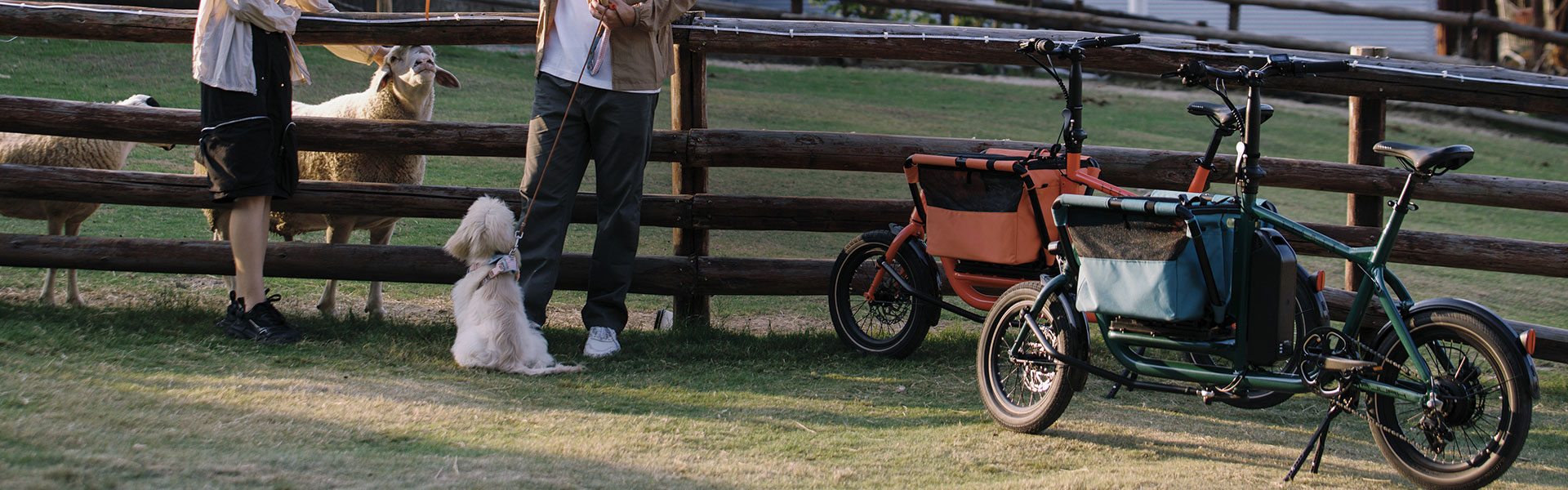
A Child Cargo Bike is designed to make family transportation more practical by giving children a dedicated space during a bike ride. When children are passengers, the structure around the seating area becomes an important part of the riding experience. A suitable passenger setup can include a child seat, bench seat, side rails, footrests, and a safety harness. These components work together to help keep children positioned securely while the bicycle is moving.
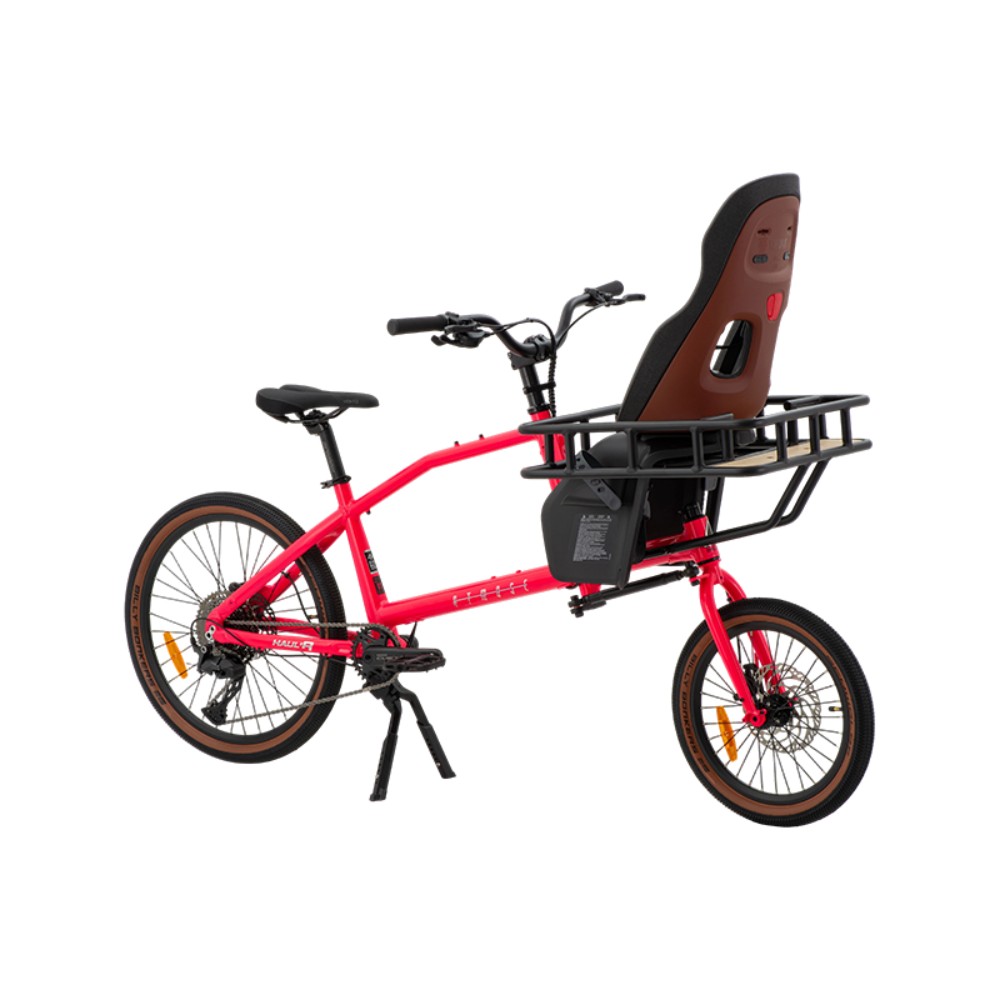
A child seat can provide individual support and a defined sitting position. Bench seating offers another approach for families who need space for more than one passenger. Depending on the cargo bike design, a bench can be combined with side rails or a protective enclosure. These structures can help prevent unwanted movement toward the side of the bike.
Safety harnesses are also useful when children are sitting in an open passenger area. A properly designed harness keeps the child in the intended seating position and can reduce movement during acceleration, braking, or uneven road conditions. Footrests are equally important because children need a stable place to position their feet rather than allowing them to hang near the wheels or other moving components.
The passenger compartment should also allow the rider to check on the children during a trip. A clear view or practical communication between rider and passengers can make everyday transportation easier, particularly during school trips, shopping, and family outings.
Carrying children changes how a bicycle feels during acceleration, braking, and cornering. The frame, wheels, tires, and braking system all need to work together with the passenger configuration. A stable frame can help the rider maintain control when children shift their seating position.
Braking is another important consideration. A cargo bike carrying children needs predictable braking behavior so the rider can slow down in a controlled manner. Brake controls should also be easy to reach and operate. A parking brake can provide additional convenience when children are getting on or off the bike because it helps prevent unwanted movement while the bicycle is stopped.
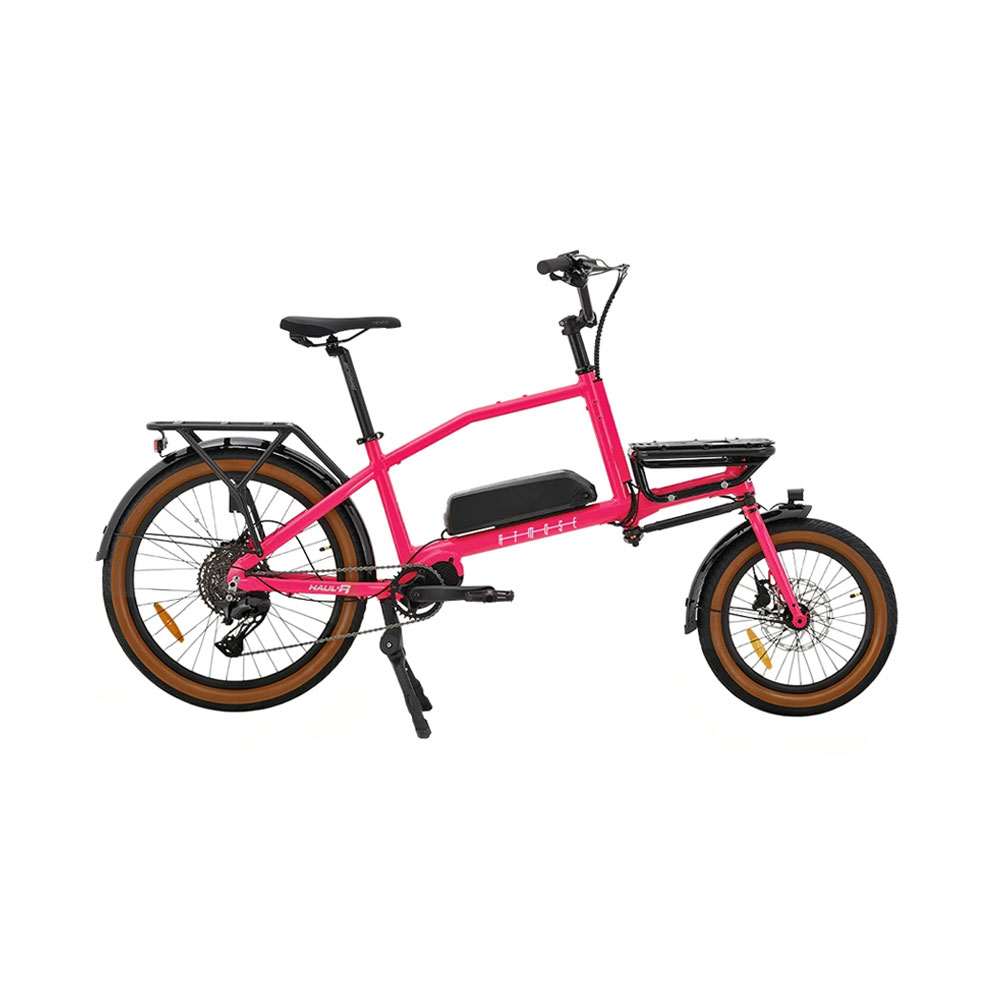
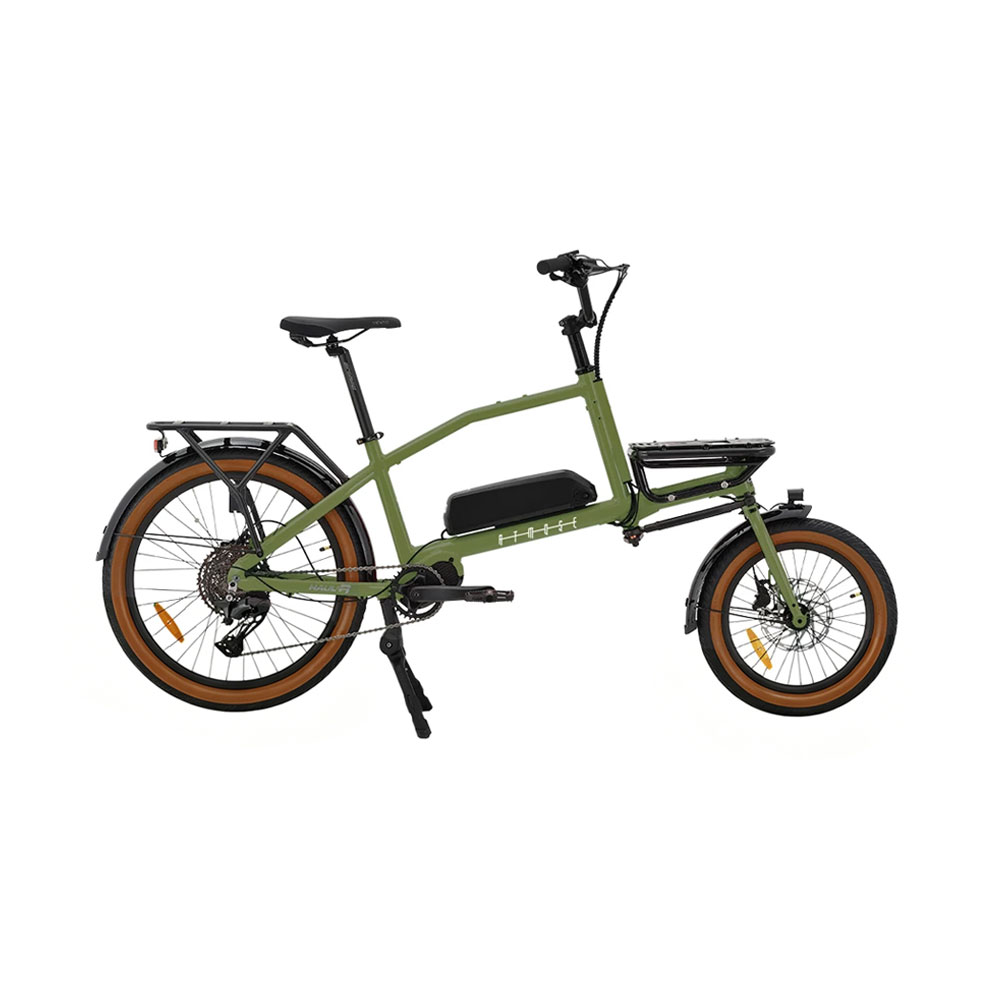
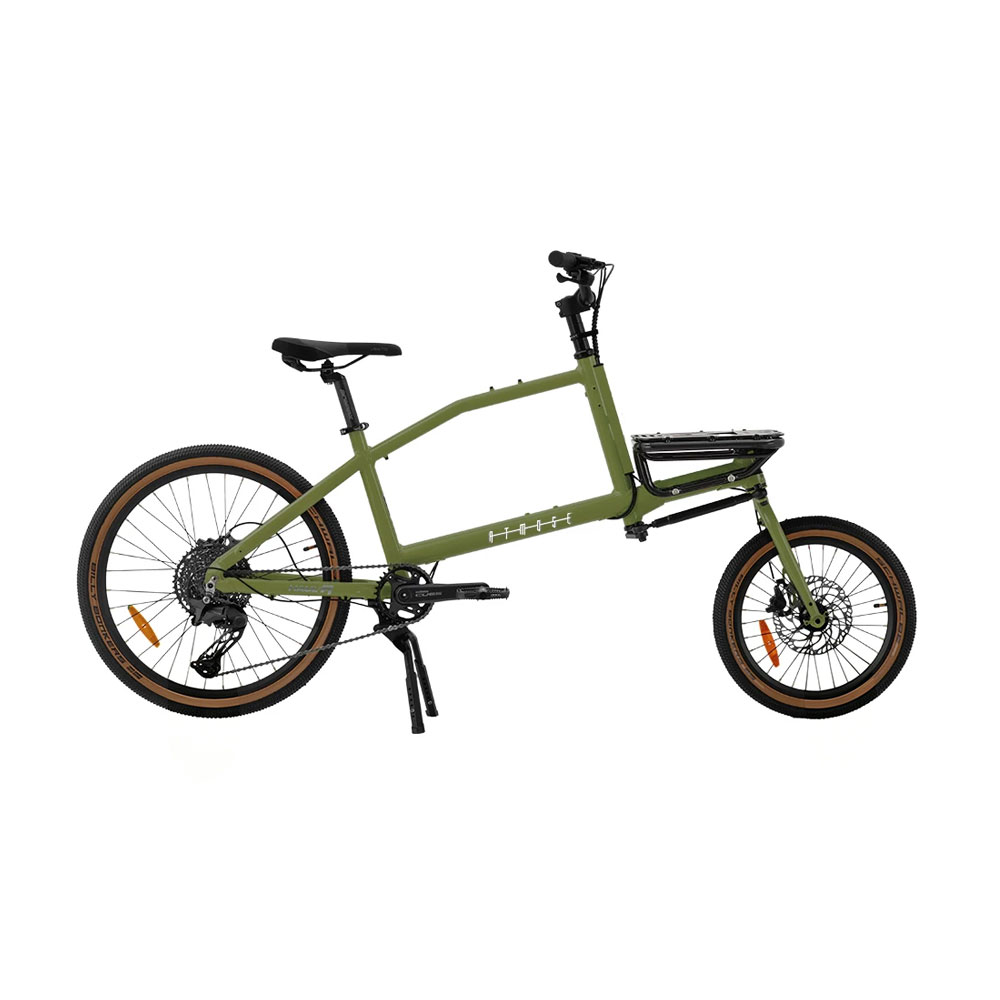
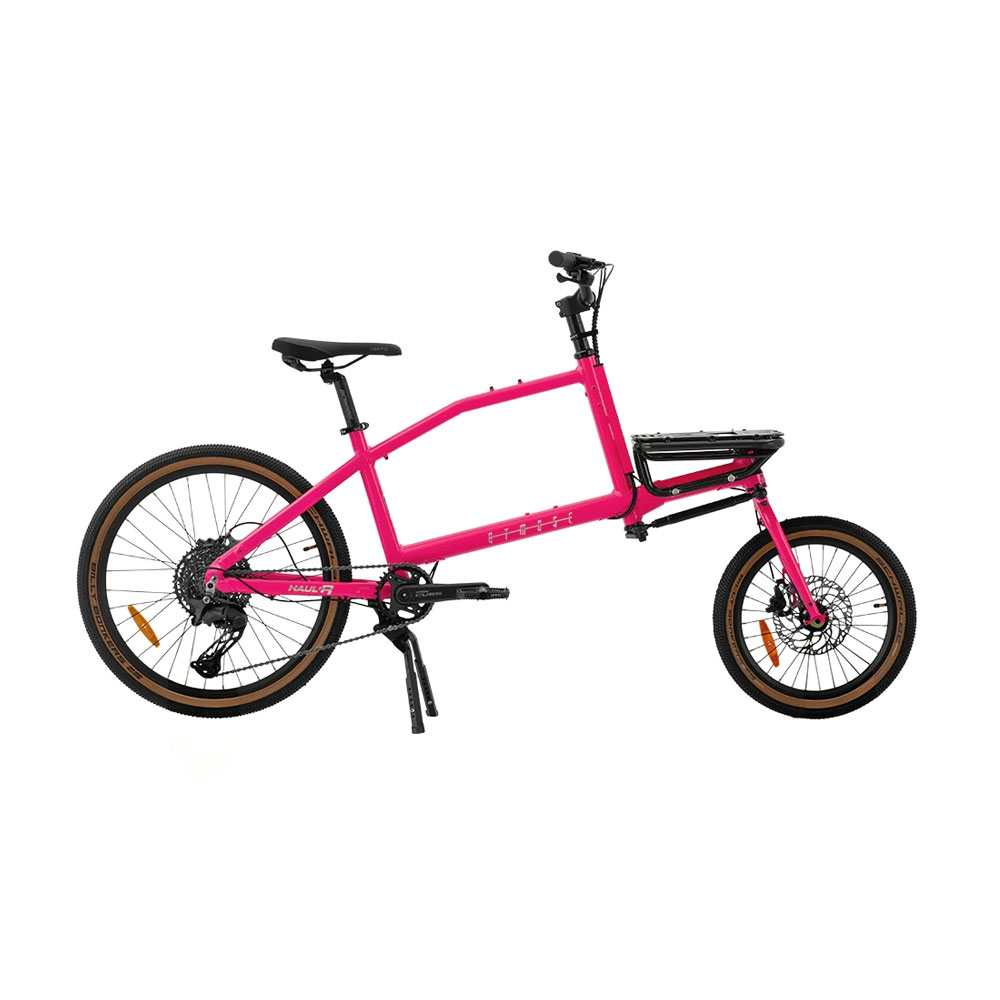
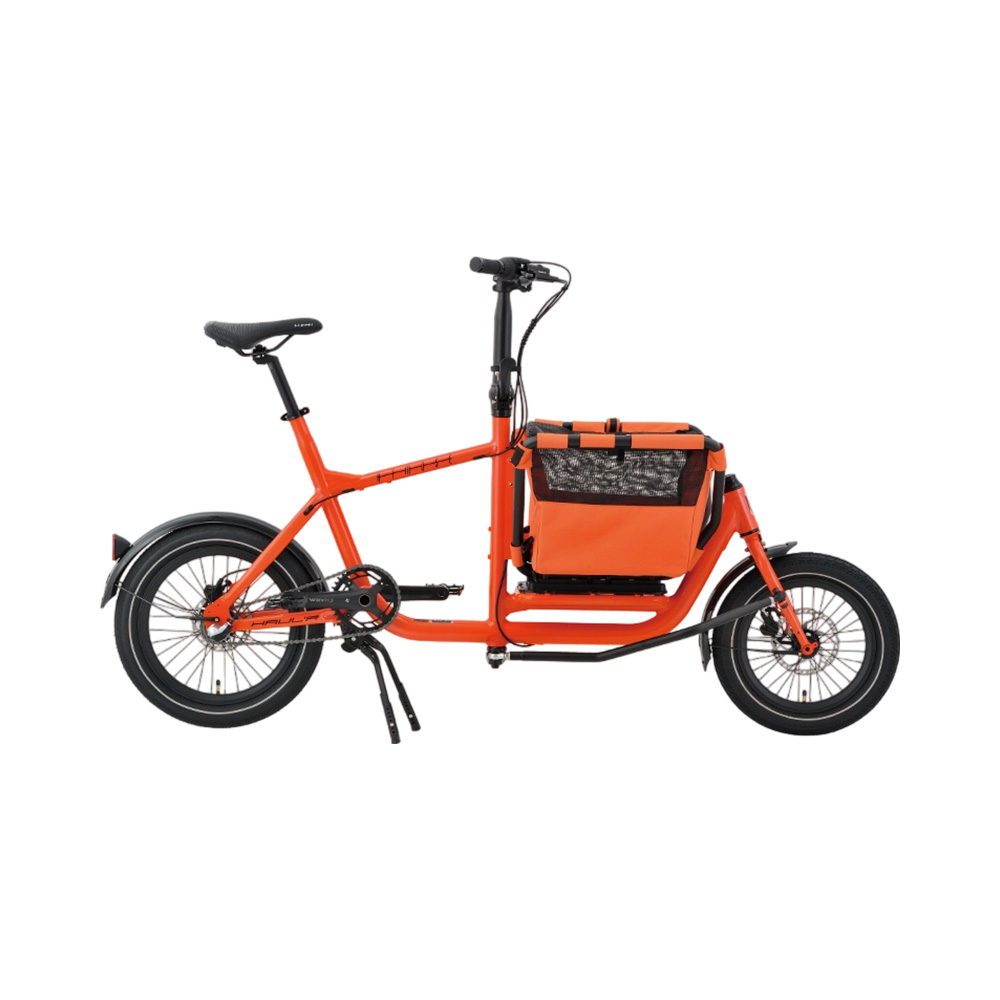
Wheel arrangement also affects handling. Longtail designs place passengers toward the rear, while front box designs position children ahead of the rider. Each arrangement changes the balance of the bicycle. The rider needs to become familiar with how the loaded bike responds to steering and braking.
Tires and wheels also contribute to riding stability. Appropriate tire construction can support the demands of daily urban riding, while suitable wheel placement can help maintain balance during turns and stops. These elements are especially relevant when the bike is used on roads with uneven surfaces.
Everyday safety involves more than the bicycle itself. The process of placing children on the bike, securing them, and helping them get off also deserves attention. A passenger area with easy access can make daily routines less complicated.
Visibility is another useful feature. Children should have a comfortable position that allows them to see their surroundings without interfering with the rider. A suitable design can also give the rider a practical view of the passenger area.
Weather protection can contribute to comfort and safety during outdoor travel. Canopies and covers can protect children from rain, wind, and direct sunlight while also helping maintain visibility around the passenger compartment.
Before regular use, the seating system, harnesses, footrests, brakes, tires, and other passenger components should be checked. A complete and compatible setup allows a Child Cargo Bike to support family transportation while giving attention to passenger protection throughout everyday riding.
Oct 02, 2026
Sep 25, 2026
Sep 18, 2026


info@atmosecargobike.com

200 rue de la Croix Nivert 75015 Paris

Custom Electric Bakfiets
 English
 Français
 Deutsch