Sep 25, 2026
Family travel often includes several short journeys during the day. Parents may need to take children to school, visit stores, carry groceries, or travel to parks and community facilities.
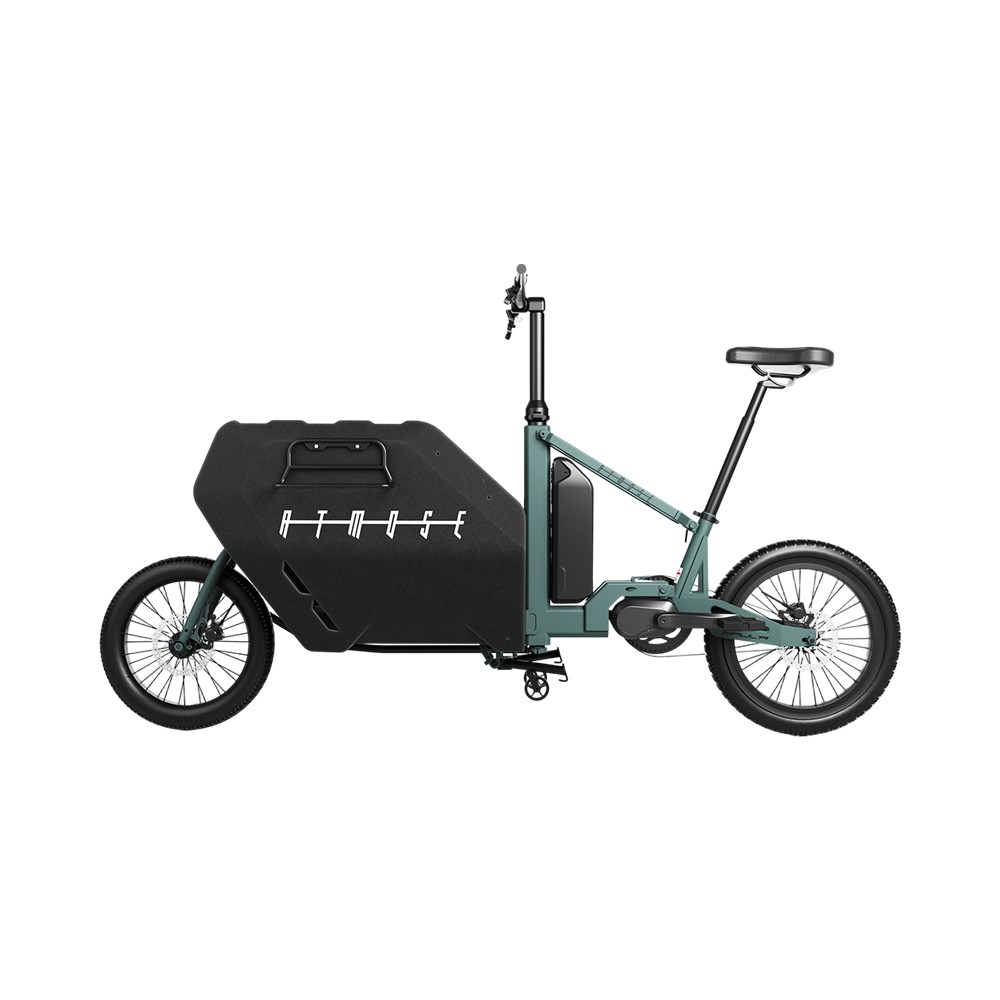
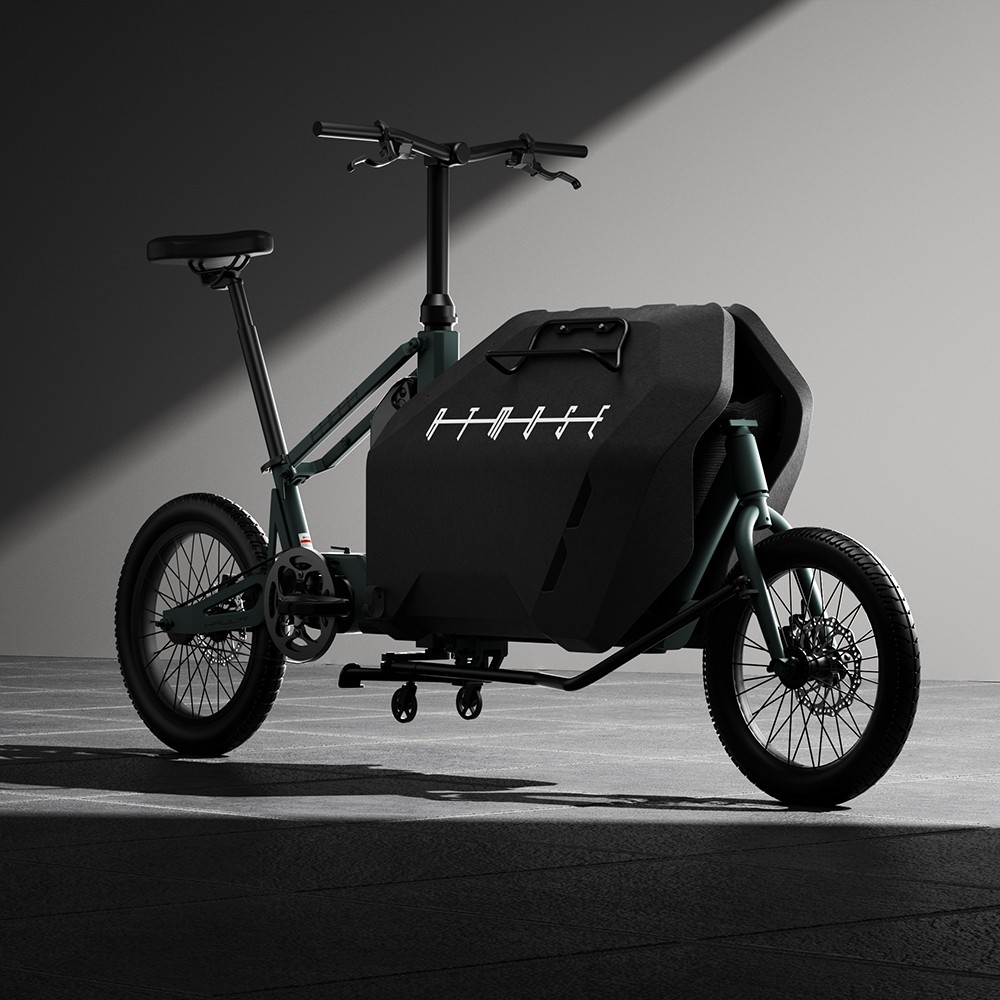
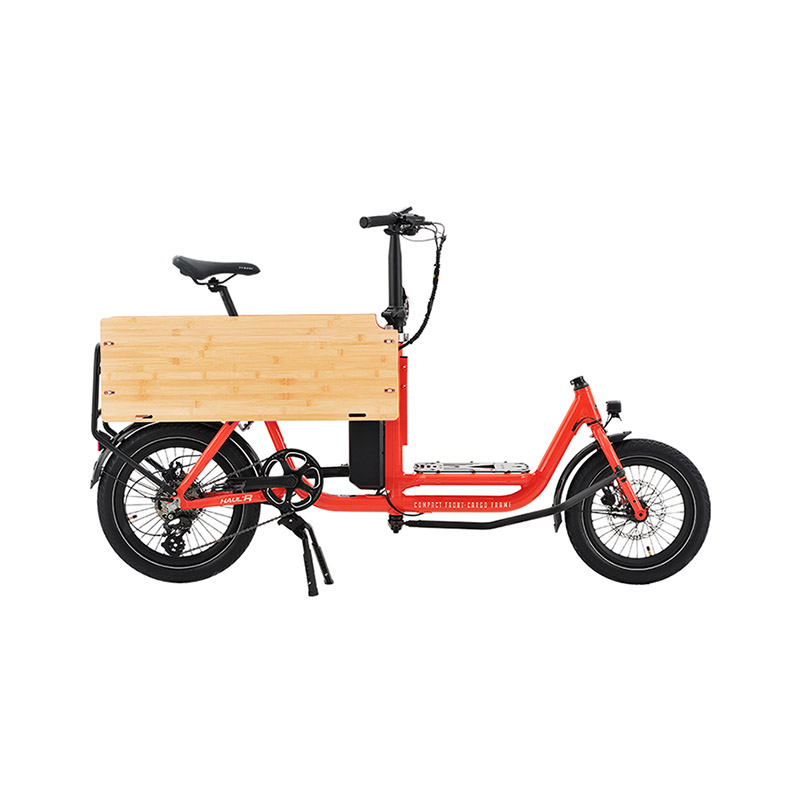
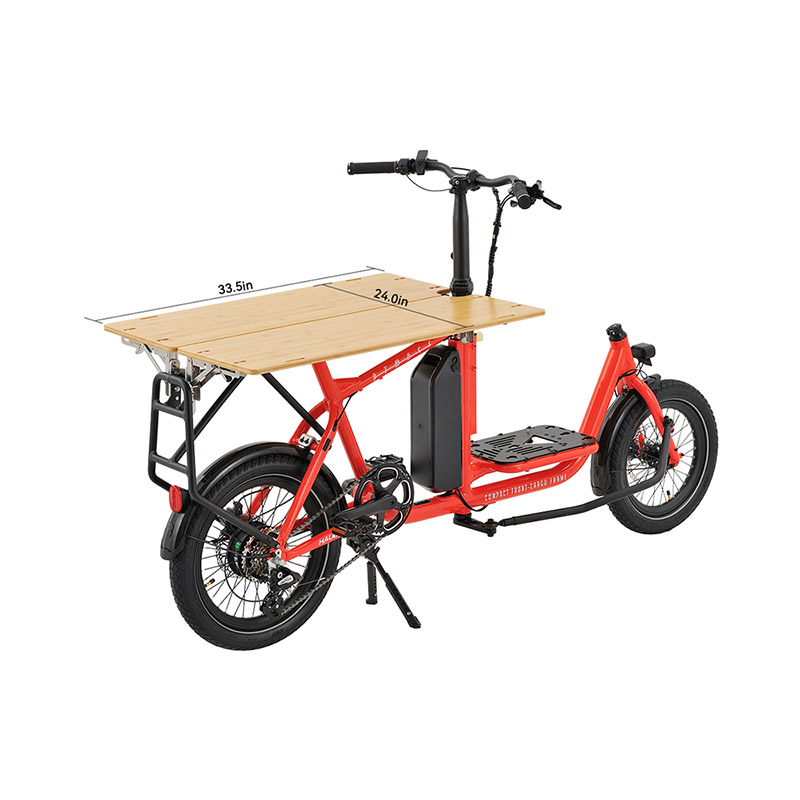
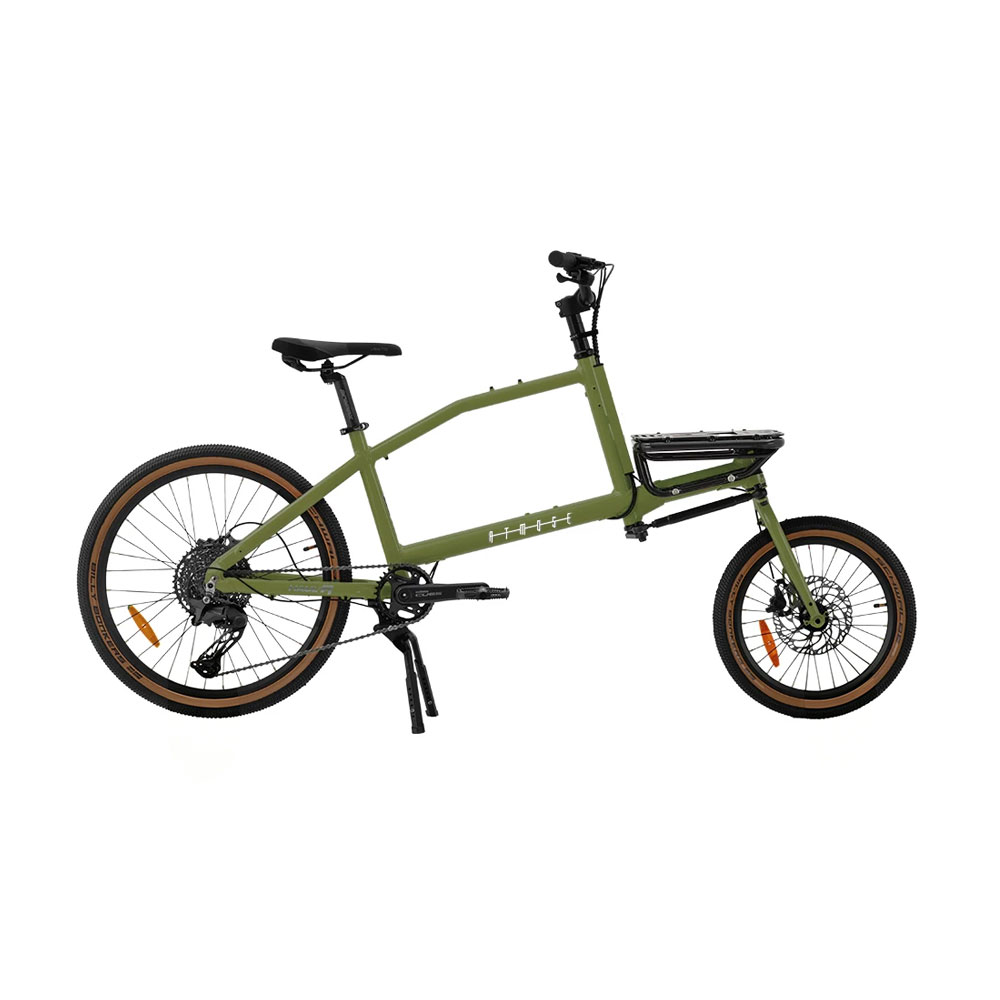
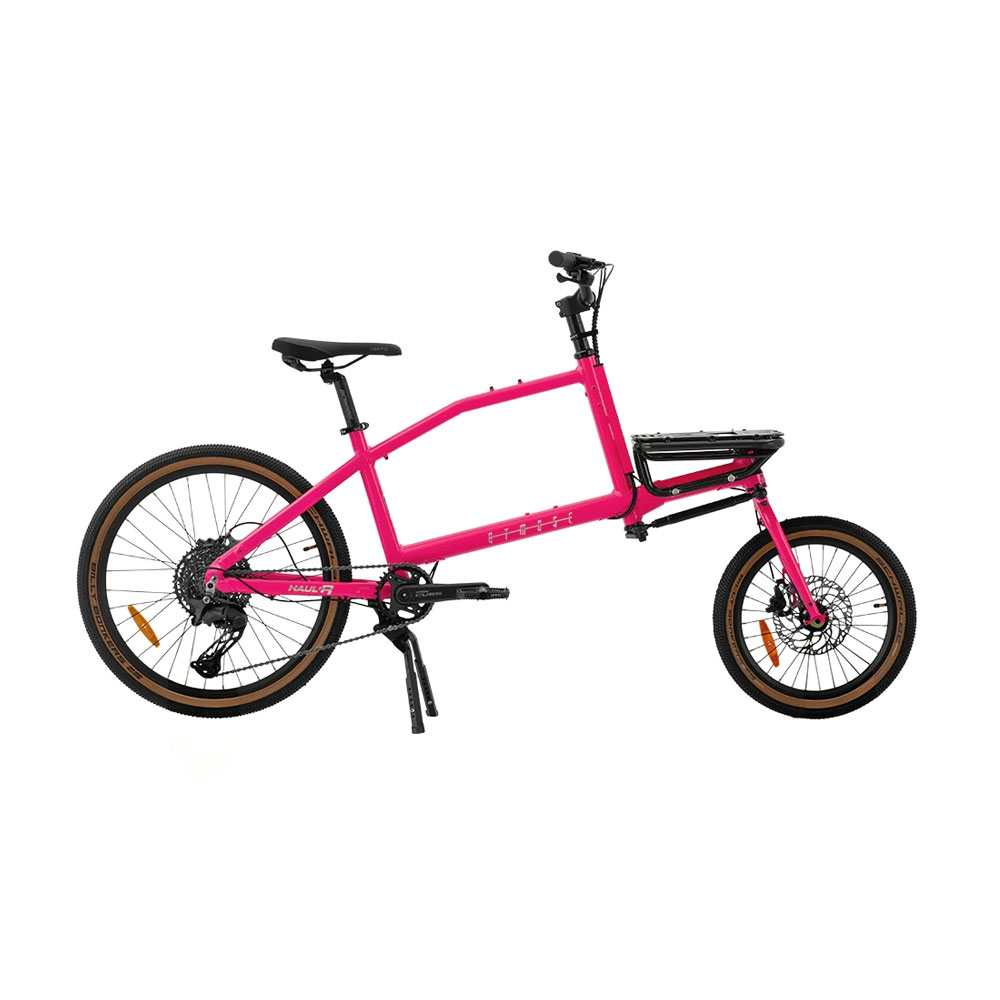
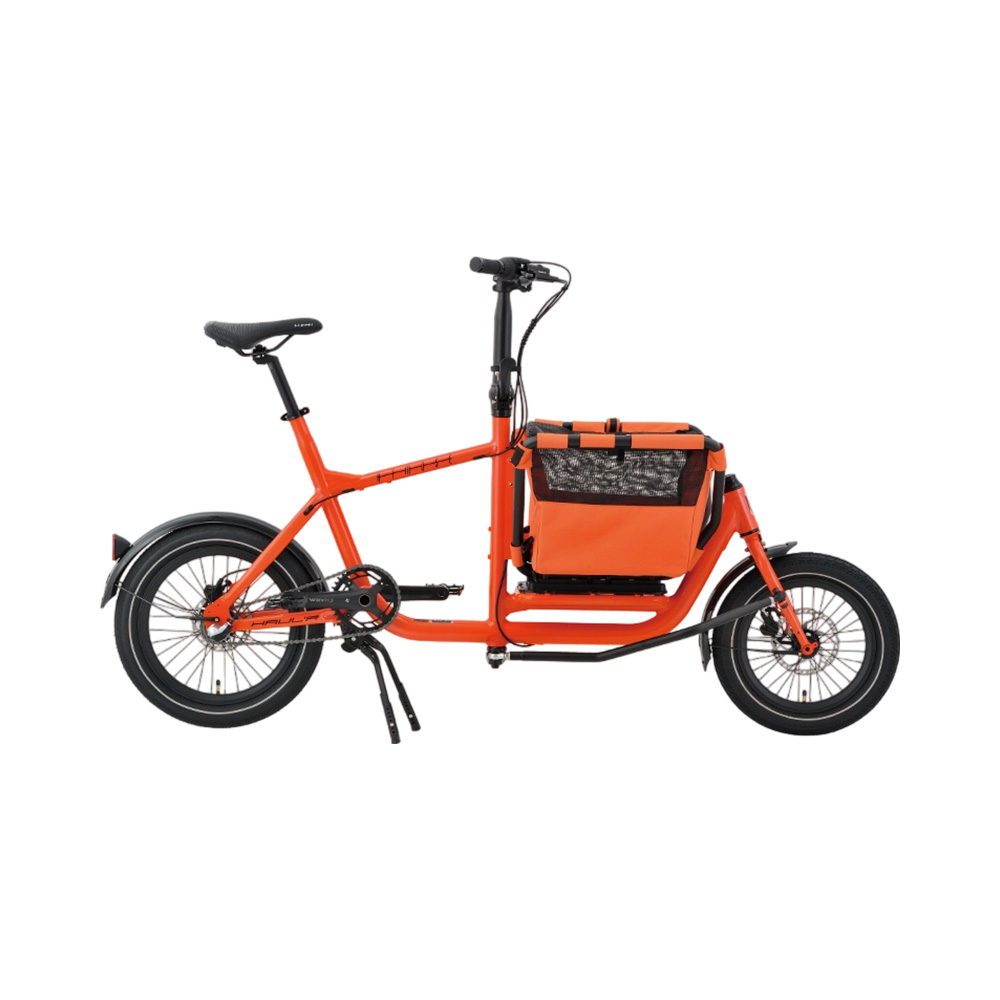
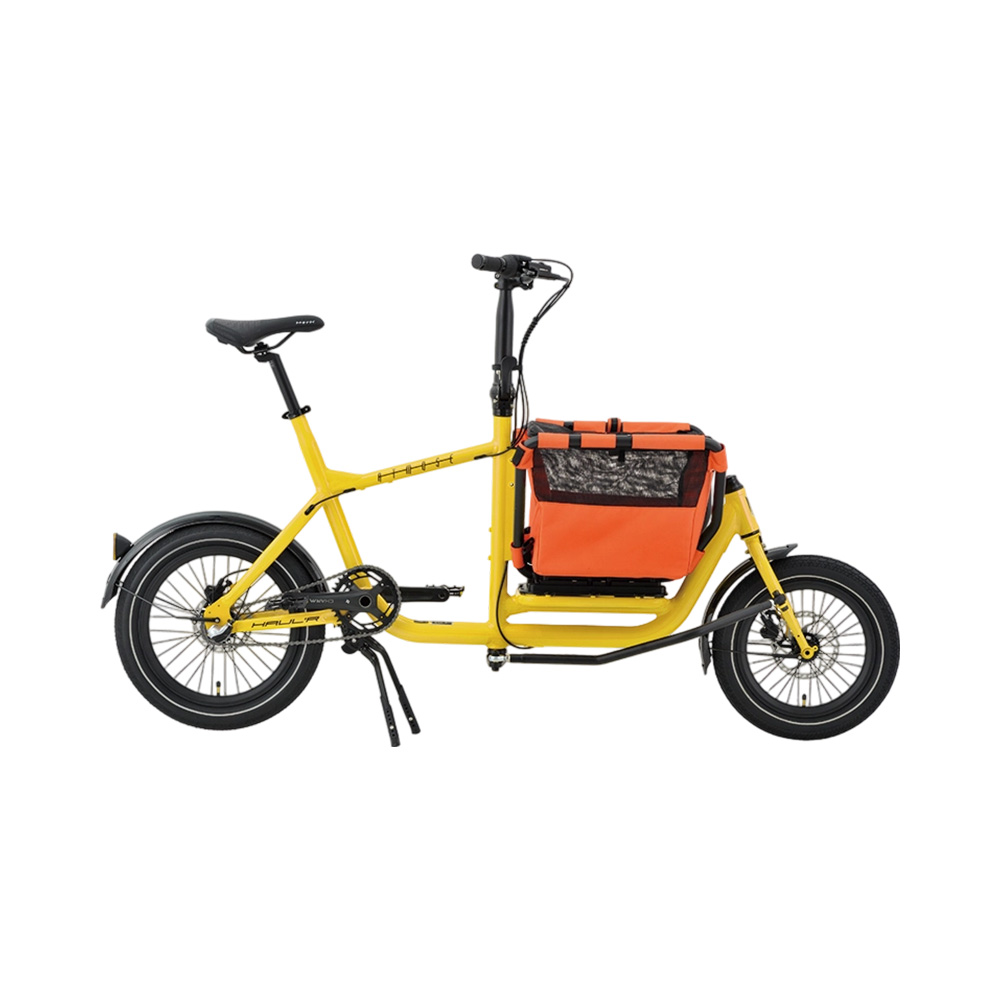
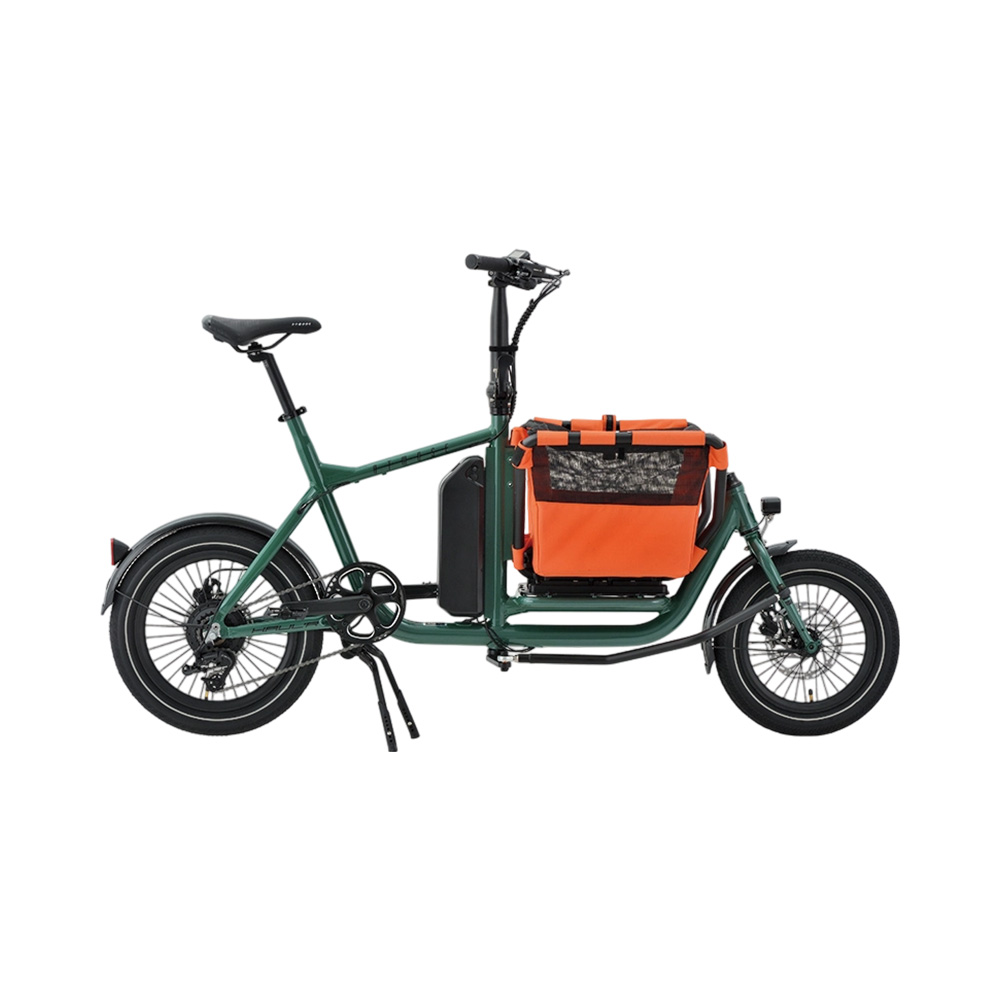
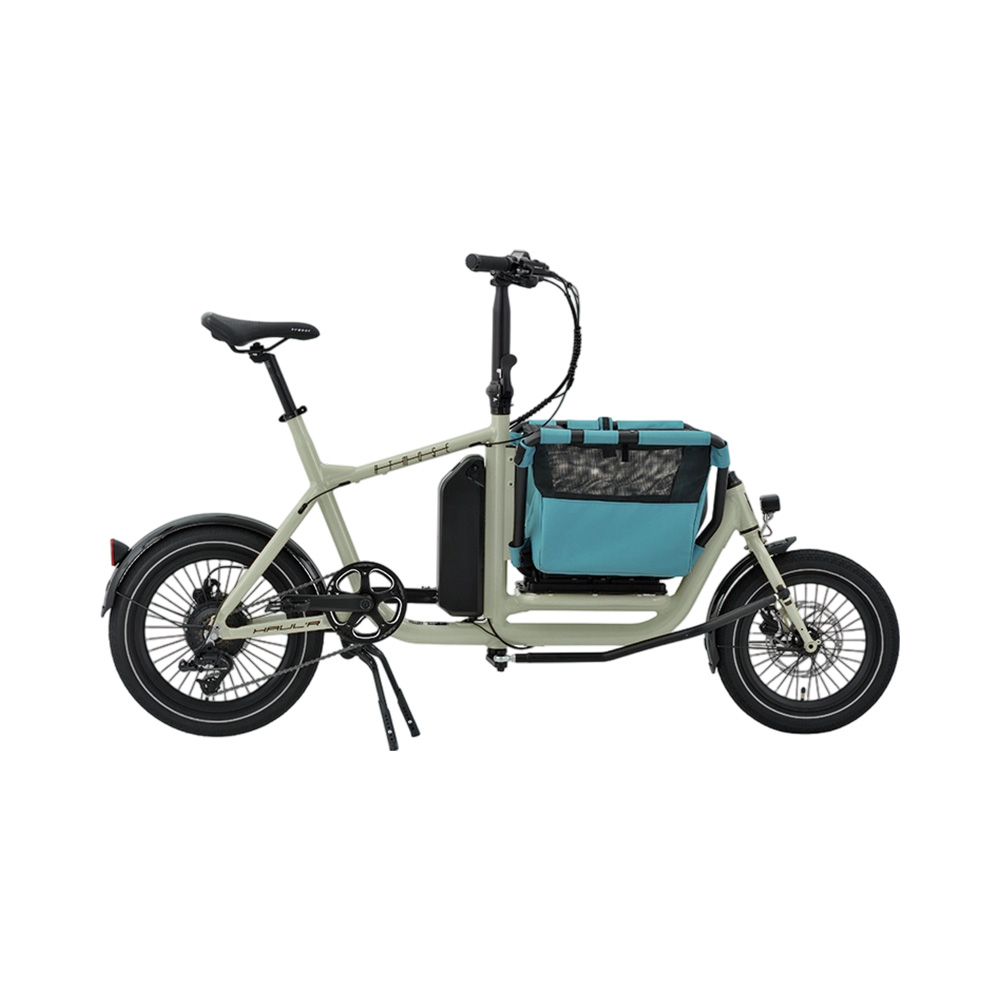
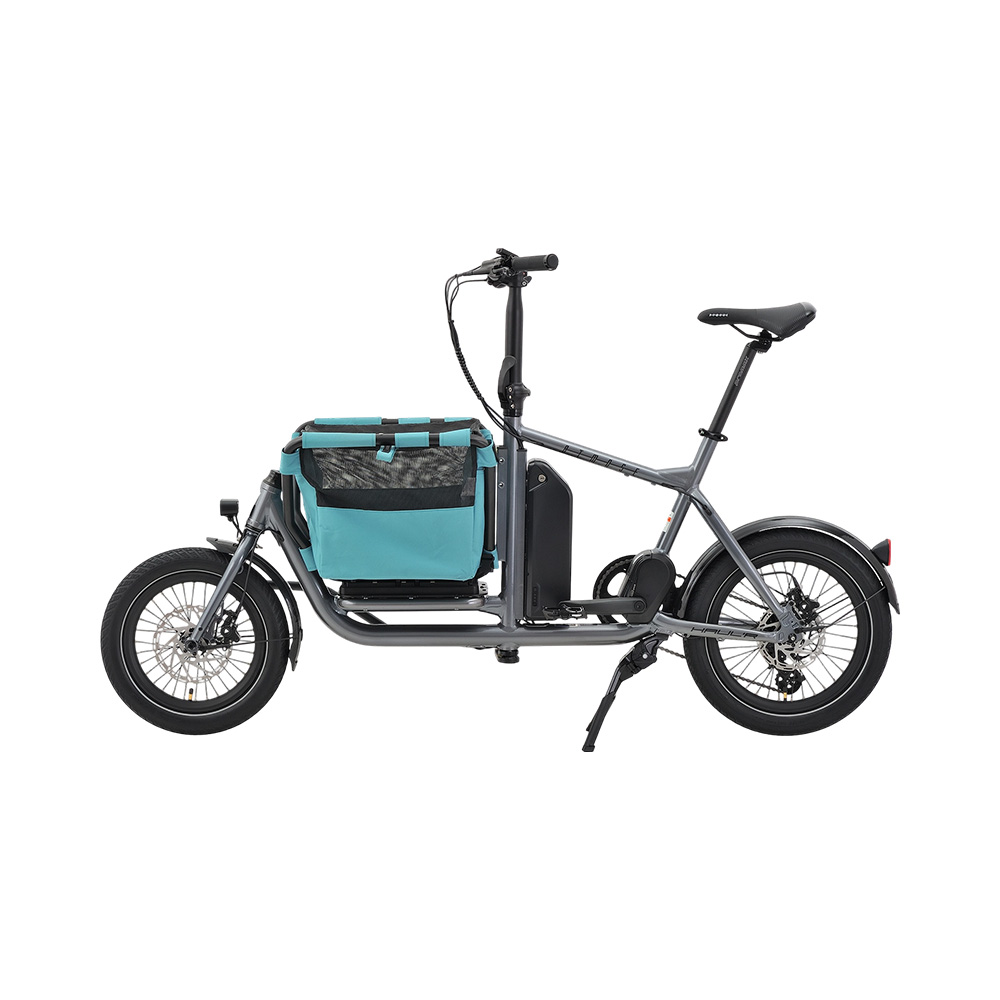
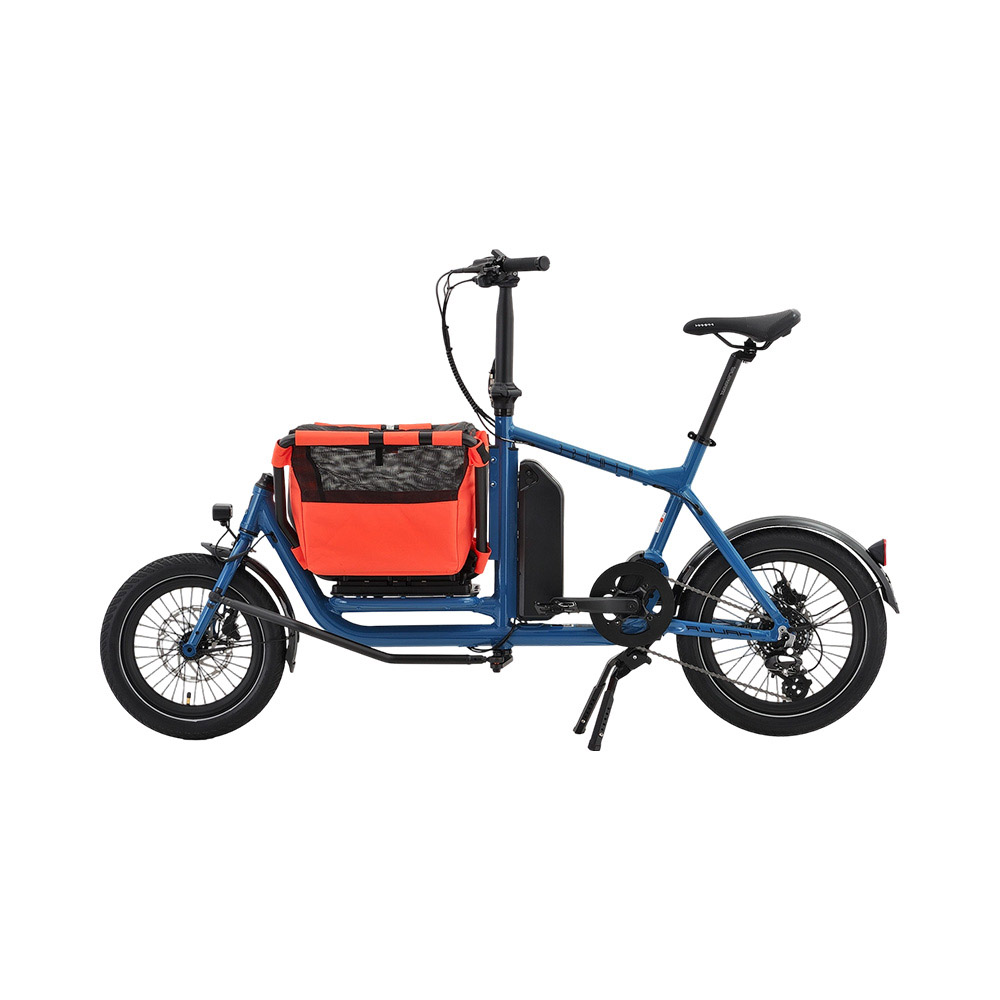
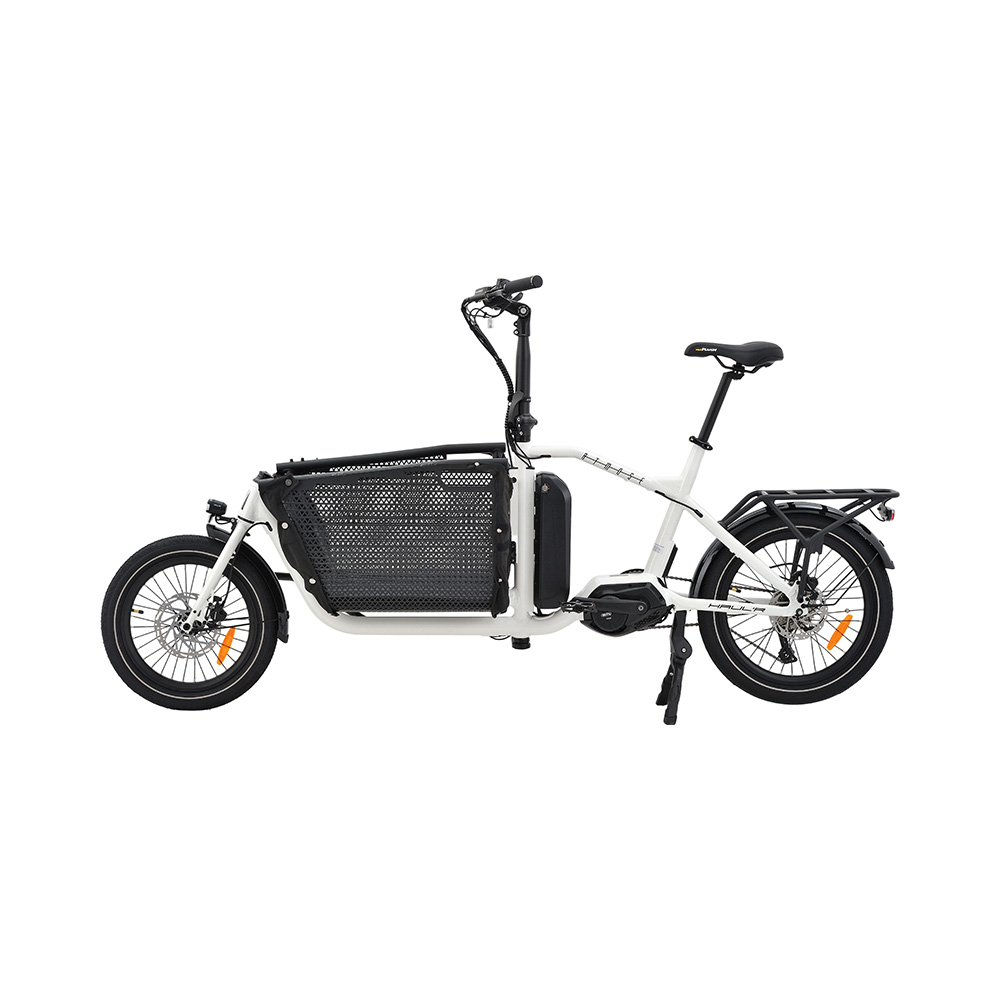
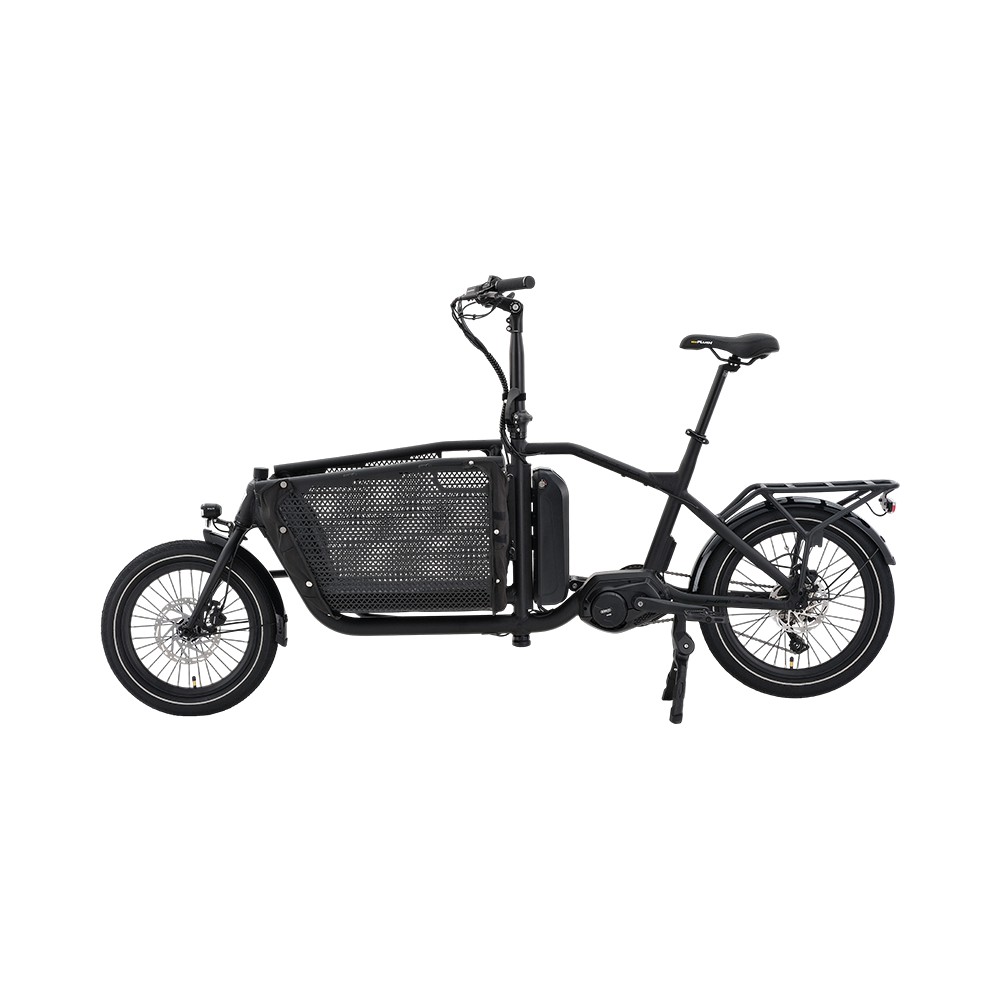
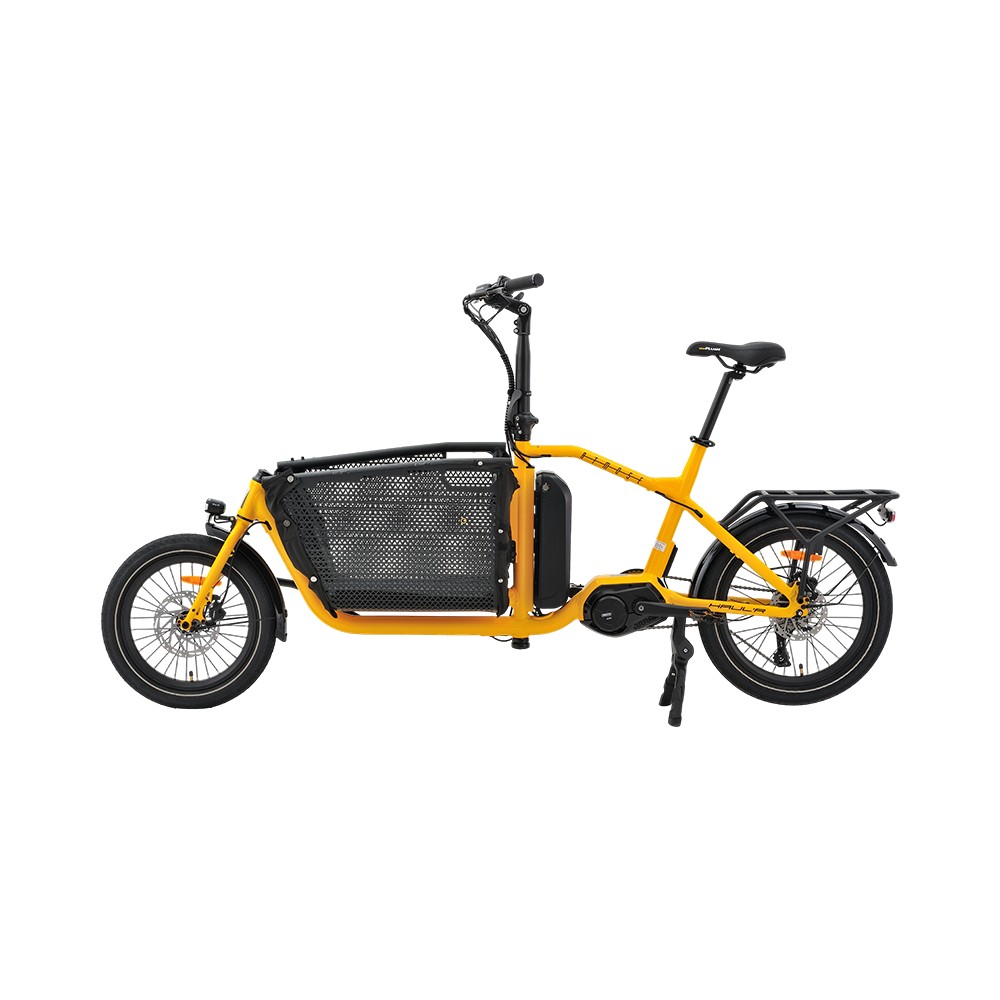
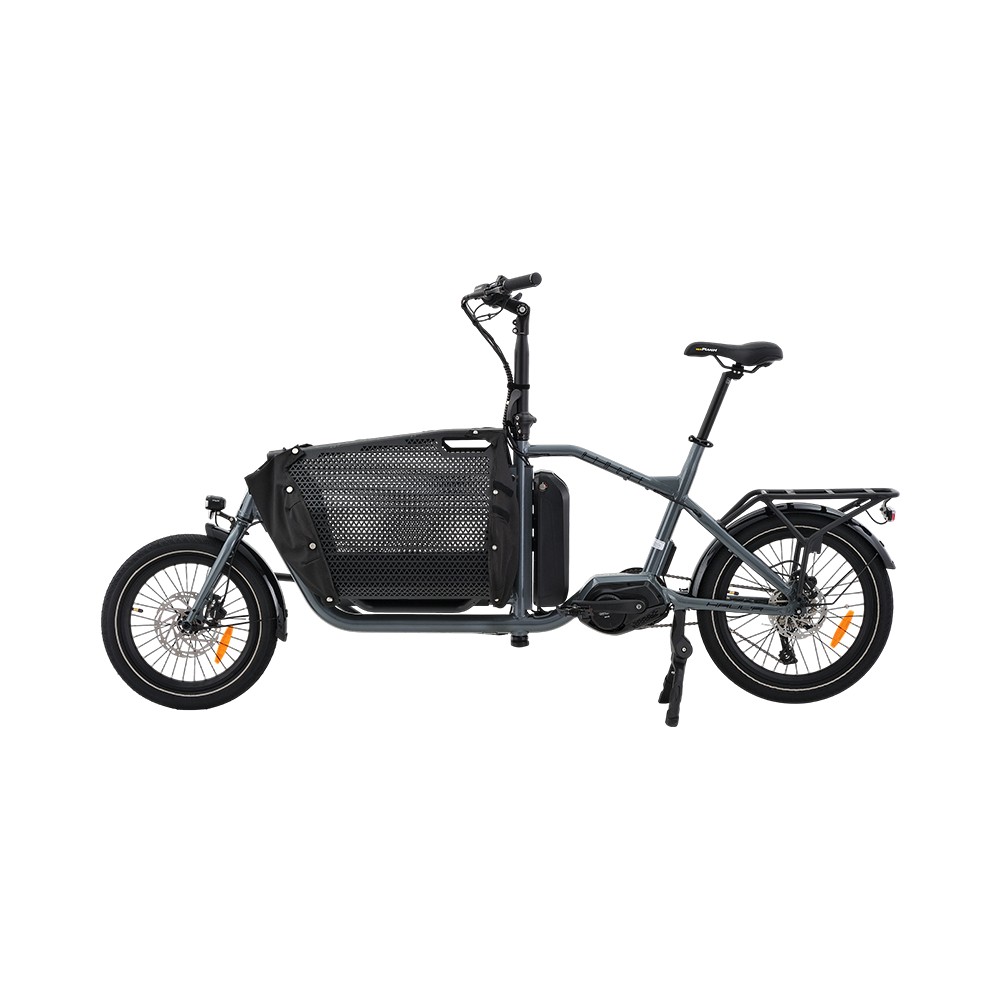
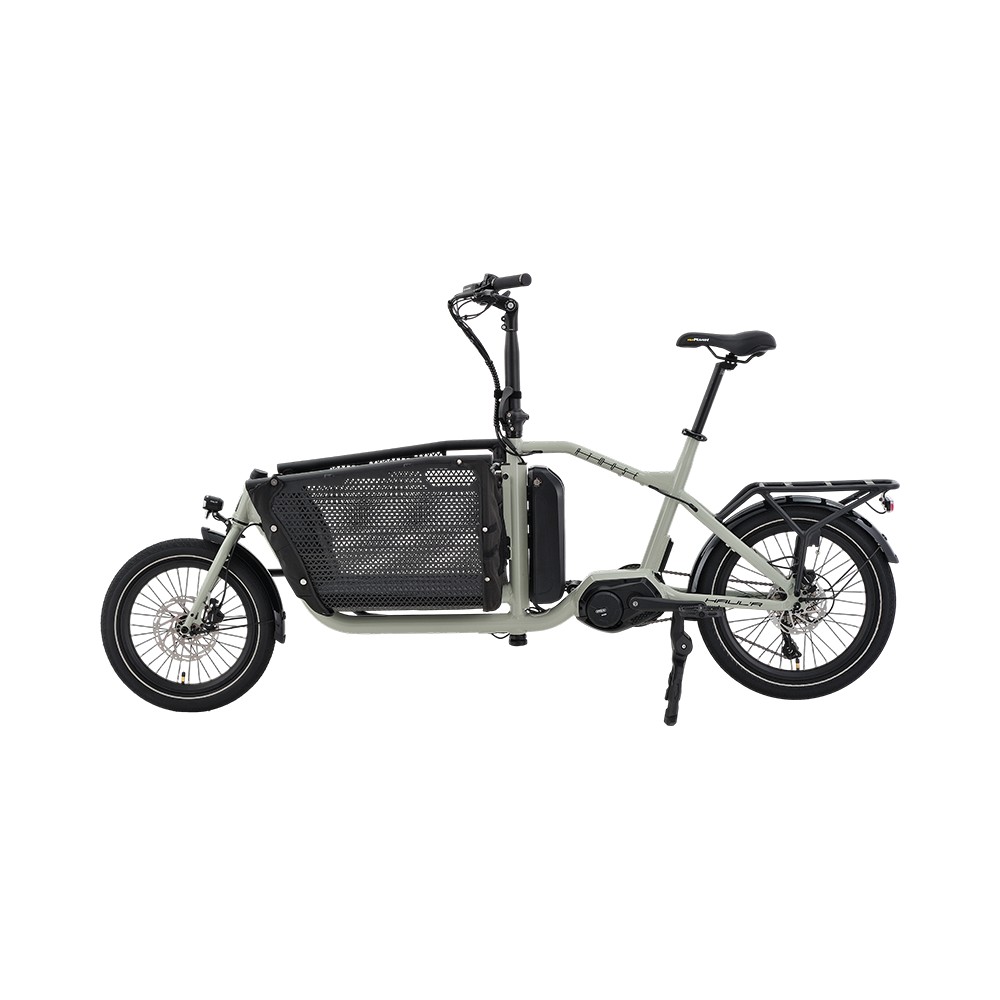
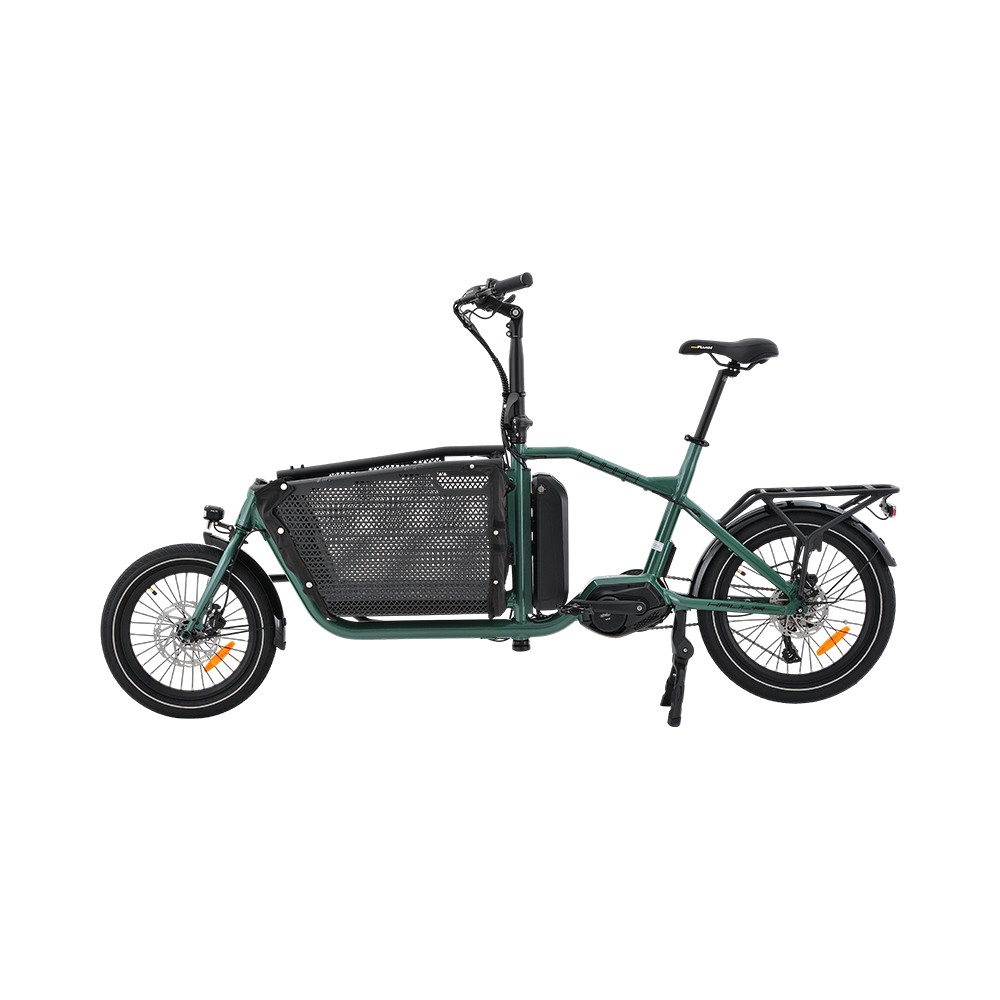
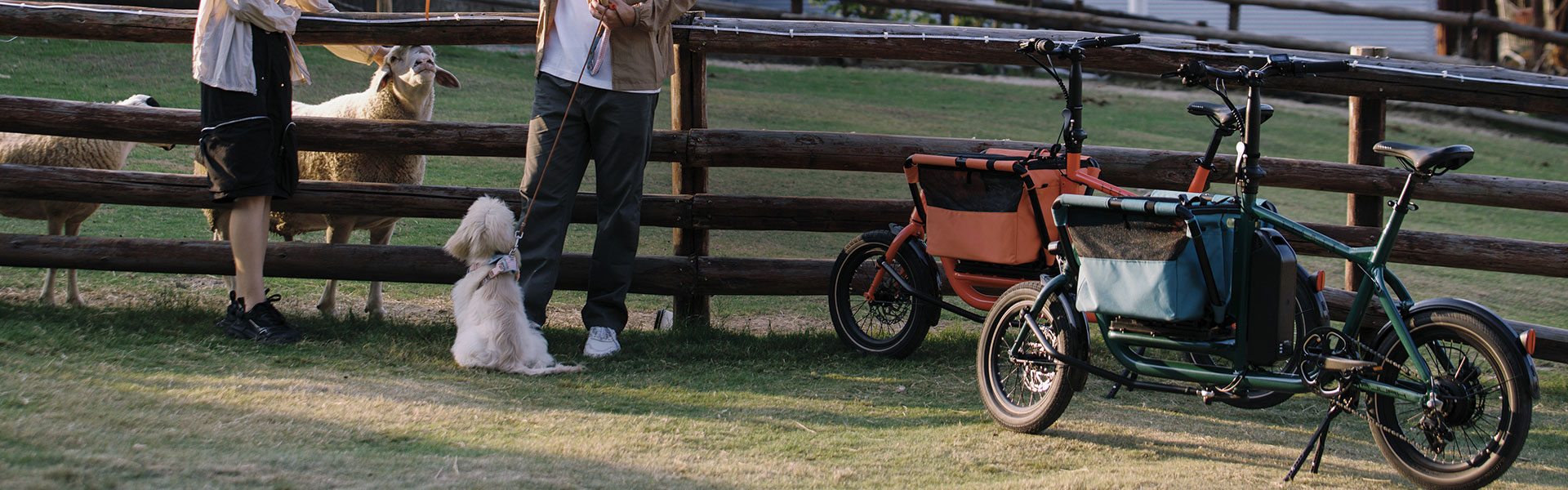
An Electric Transport Bike can combine passenger space, cargo storage, and electric assistance in one transportation solution. Depending on the frame design, children can be carried in a front cargo compartment or on a rear passenger platform.
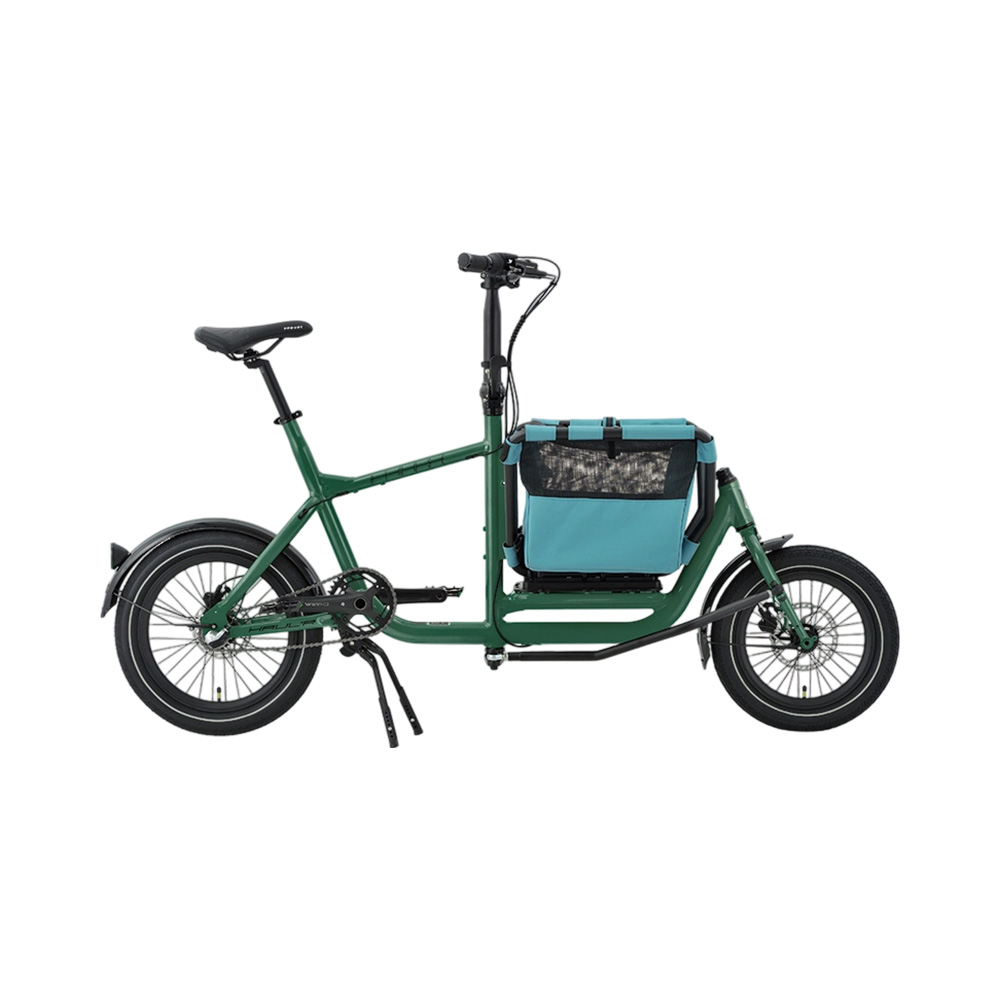
The right configuration depends on passenger requirements, route conditions, storage space, and the age and size of the children.
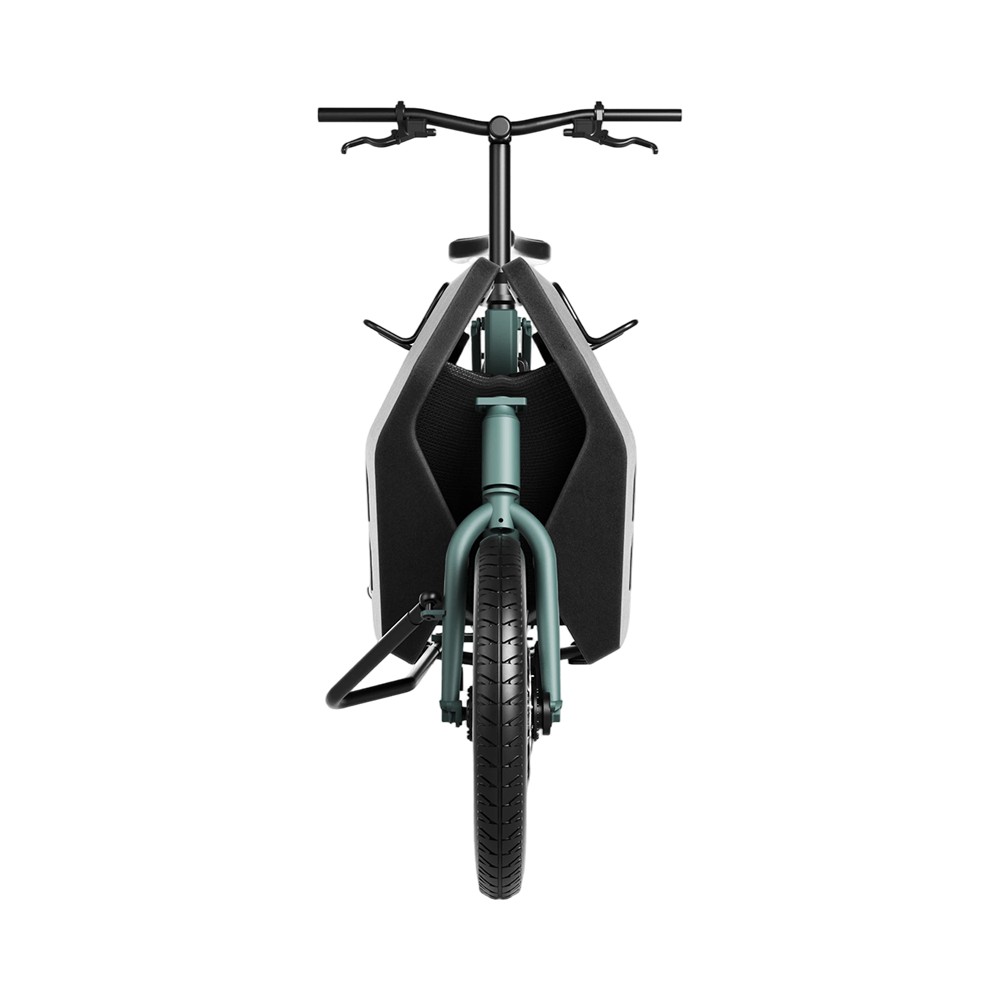
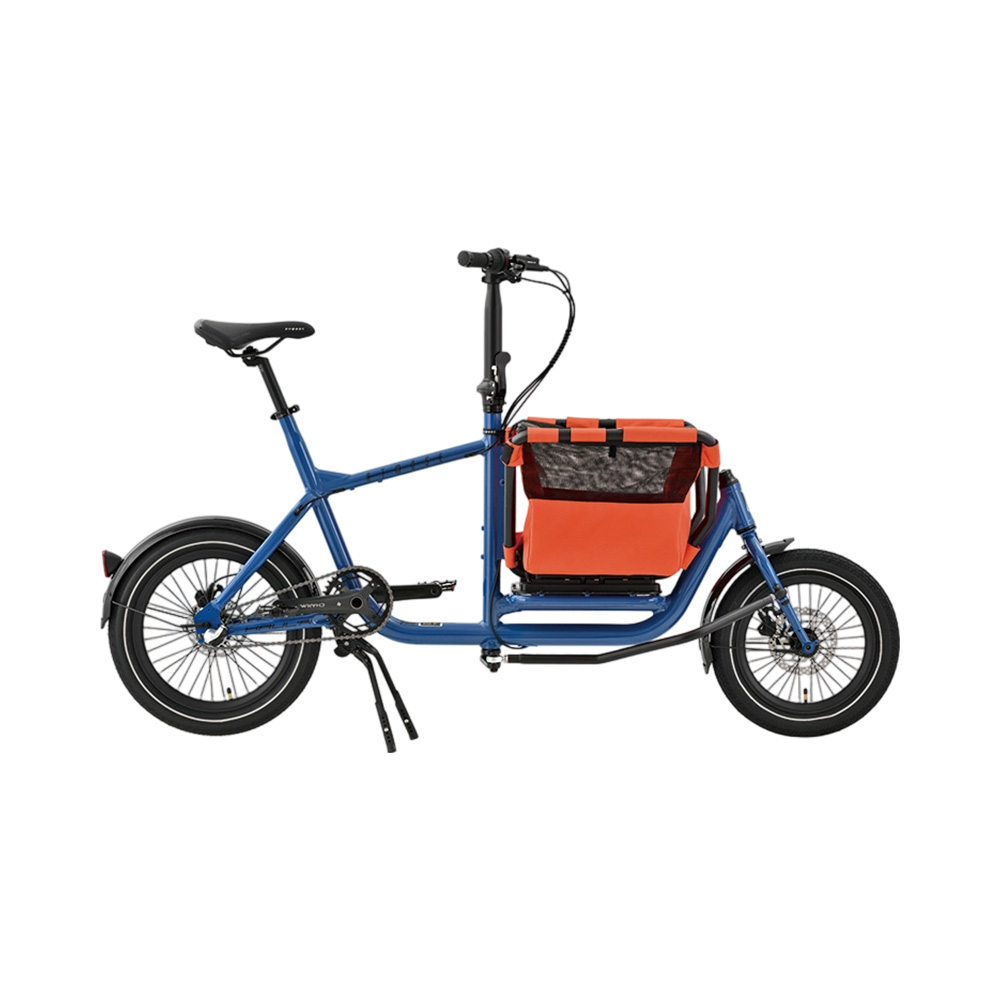
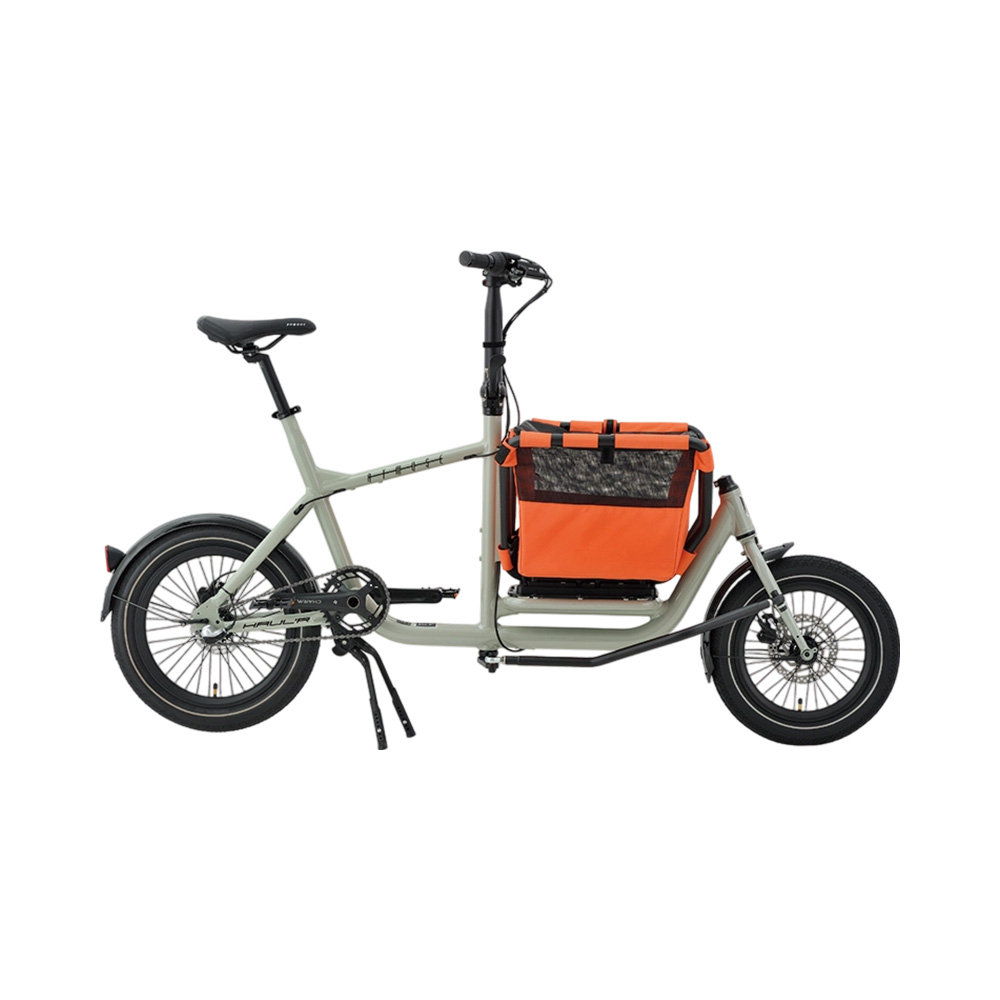
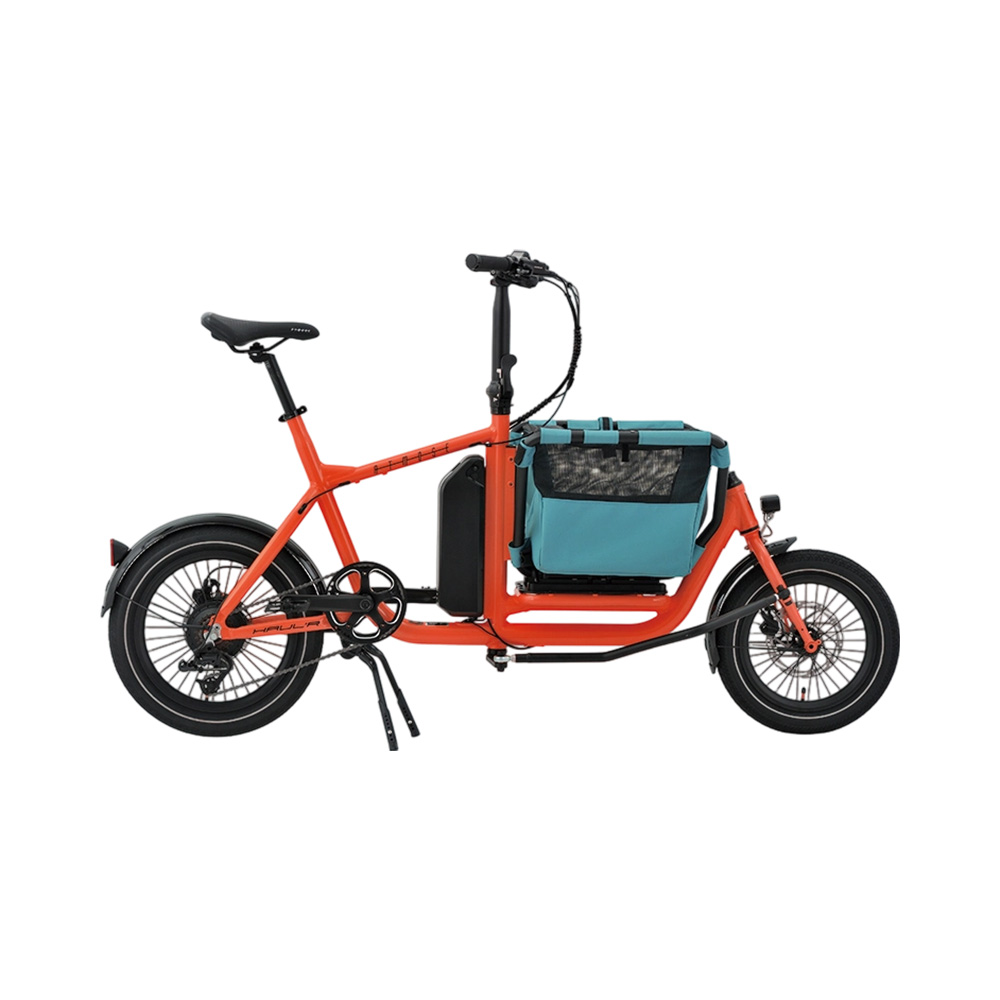
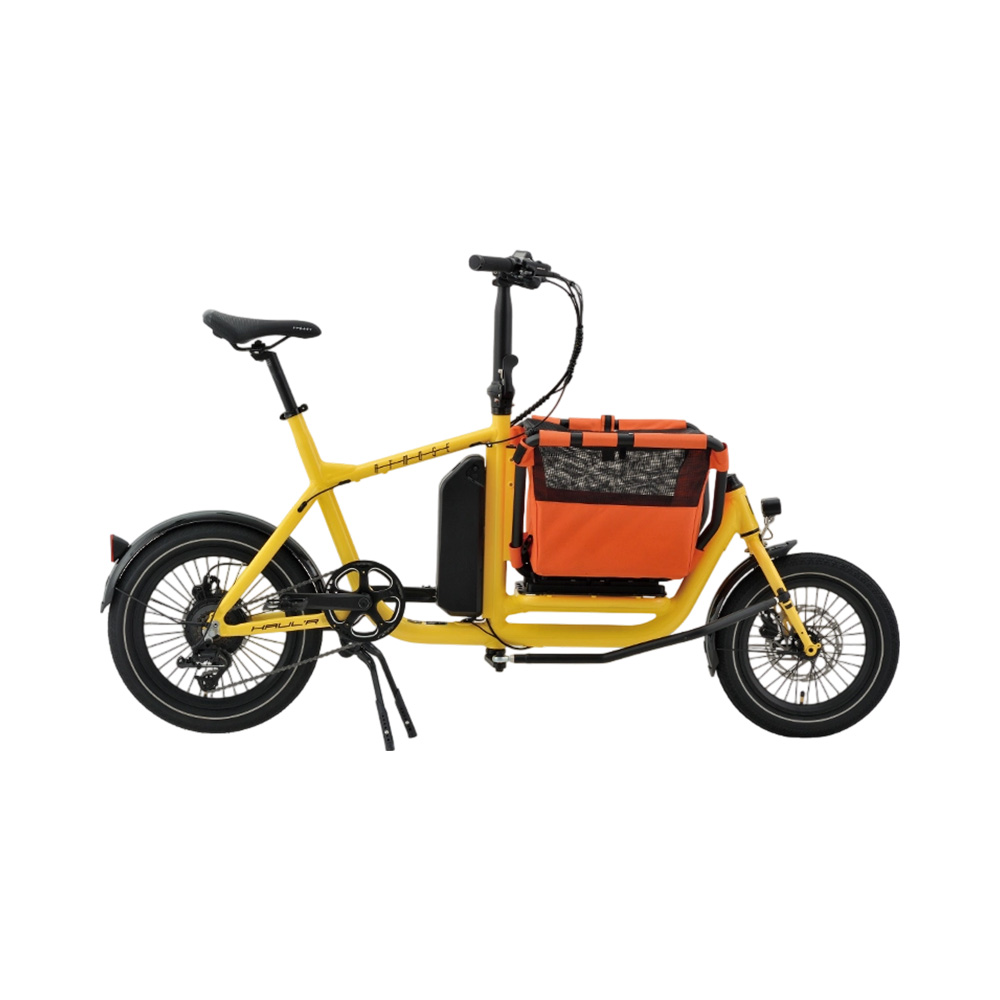
Front cargo boxes provide a dedicated area for passengers and can keep children within the riders field of view. This arrangement can also create space for bags and other family belongings.
Rear passenger platforms provide another approach. A suitable child seat can be installed when compatible with the bicycle structure. Footboards and handrails can give children additional support.
Parents should check the compatibility of every passenger accessory with the bicycle before installation. Seats, straps, and mounting components should be installed according to the manufacturers instructions.
Safety equipment is an important part of family transportation. A child seat should keep the passenger properly positioned while the bicycle is moving.
Harness systems can help prevent unwanted movement. Foot protection can keep childrens feet away from the wheels and drivetrain. Handrails can provide additional support for children using a rear passenger platform.
Lighting and reflective components can help increase visibility in urban traffic. The cargo or passenger area should not cover these safety elements.
Parents should inspect the seating system before each trip and confirm that straps and mounting points are secure.
The loading process should be simple and controlled. Parents can park the bicycle in a stable location before helping children get into the passenger area.
School bags, groceries, and other belongings should be stored separately from the passenger seating area. Loose objects should not interfere with pedals, wheels, brakes, or steering.
When children and cargo are carried together, weight distribution becomes important. Heavy objects should be placed according to the bicycle manufacturers recommendations.
The rider should also understand that a loaded bicycle can respond differently during starting, braking, and turning.
Carrying passengers adds weight to the bicycle, which can make hills and acceleration more demanding. Electric assistance can provide additional support during these situations.
Motor configuration, torque characteristics, and assistance modes should be considered when choosing a family transport bike.
A suitable assistance setting can provide a smoother riding experience while helping the rider manage additional weight. Battery planning is also important for families who use the bicycle regularly.
Charging arrangements should fit the household routine. A removable battery can be convenient when the bicycle is stored outside or in a shared parking area, while an integrated battery can provide a different frame design.
Family trips may continue in changing weather conditions. A rain cover can protect passengers from precipitation, while a sun cover can provide shade.
Some cargo compartments can be fitted with enclosed covers that provide protection from wind and rain. Ventilation remains important when children are seated inside an enclosed area.
Weather accessories should be attached securely. Straps, covers, and fabric components should remain clear of wheels and other moving parts.
When conditions become unsuitable for safe cycling, riders should adjust their plans according to the environment.
Comfort influences whether a family continues to use a transport bike as part of its daily routine.
Parents should have a suitable riding position with comfortable handlebar reach and saddle height. Children should have enough room to sit naturally and place their feet securely.
The cargo compartment should also provide adequate support. Cushioning can improve comfort during longer journeys, while a stable footboard can help children maintain a comfortable position.
Tire selection can influence vibration on uneven urban roads. Suspension components may also be considered for certain frame designs.
A loaded family bike requires controlled braking. Additional passenger weight can influence stopping behavior, so riders should become familiar with the bicycle before entering busy traffic.
Turning also requires attention. A front cargo box or extended rear structure can change the way the bicycle moves through corners.
Riders should maintain enough space around the bicycle and use controlled movements in crowded areas. Children should remain seated and secured throughout the journey.
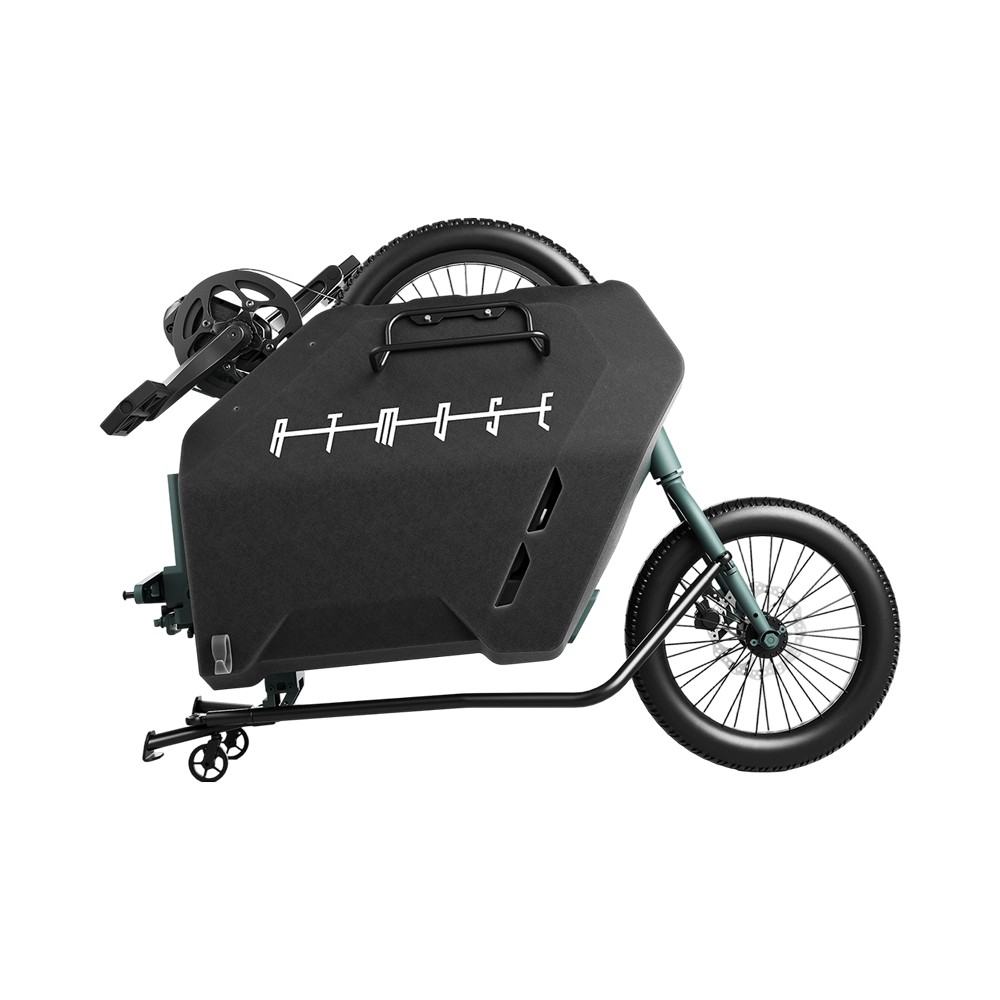
Storage requirements should be considered before buying a family transport bike. Some homes have garages or dedicated bicycle rooms, while others require storage in a shared area.
Measurements of doors, corridors, elevators, and storage spaces can help determine whether a particular bicycle design is practical.
Outdoor storage may require a protective cover and suitable locking equipment. Electric components should be protected from unsuitable environmental conditions.
Families can compare passenger seating, cargo space, child safety accessories, electric assistance, braking systems, weather protection, and storage requirements.
The daily route also matters. A family traveling on flat residential streets may have different needs from a family using routes with slopes and busy intersections.
Considering passengers, cargo, riding conditions, home storage, and charging habits together can help families choose an Electric Transport Bike that fits their everyday transportation routine.
Sep 25, 2026
Sep 18, 2026
Sep 18, 2026


info@atmosecargobike.com

200 rue de la Croix Nivert 75015 Paris

Custom Electric Bakfiets
 English
 Français
 Deutsch