Sep 18, 2026
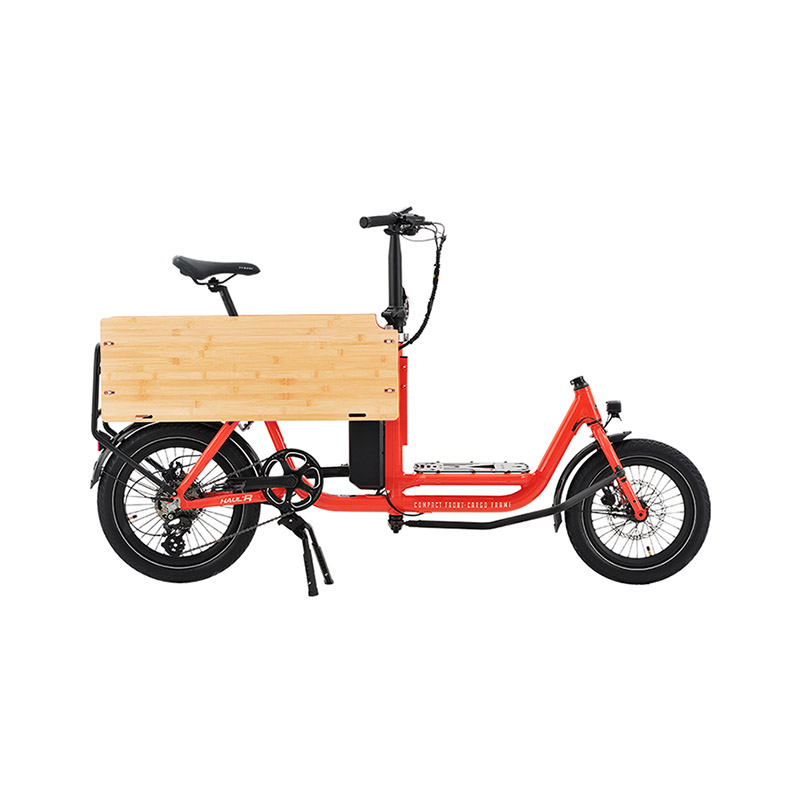
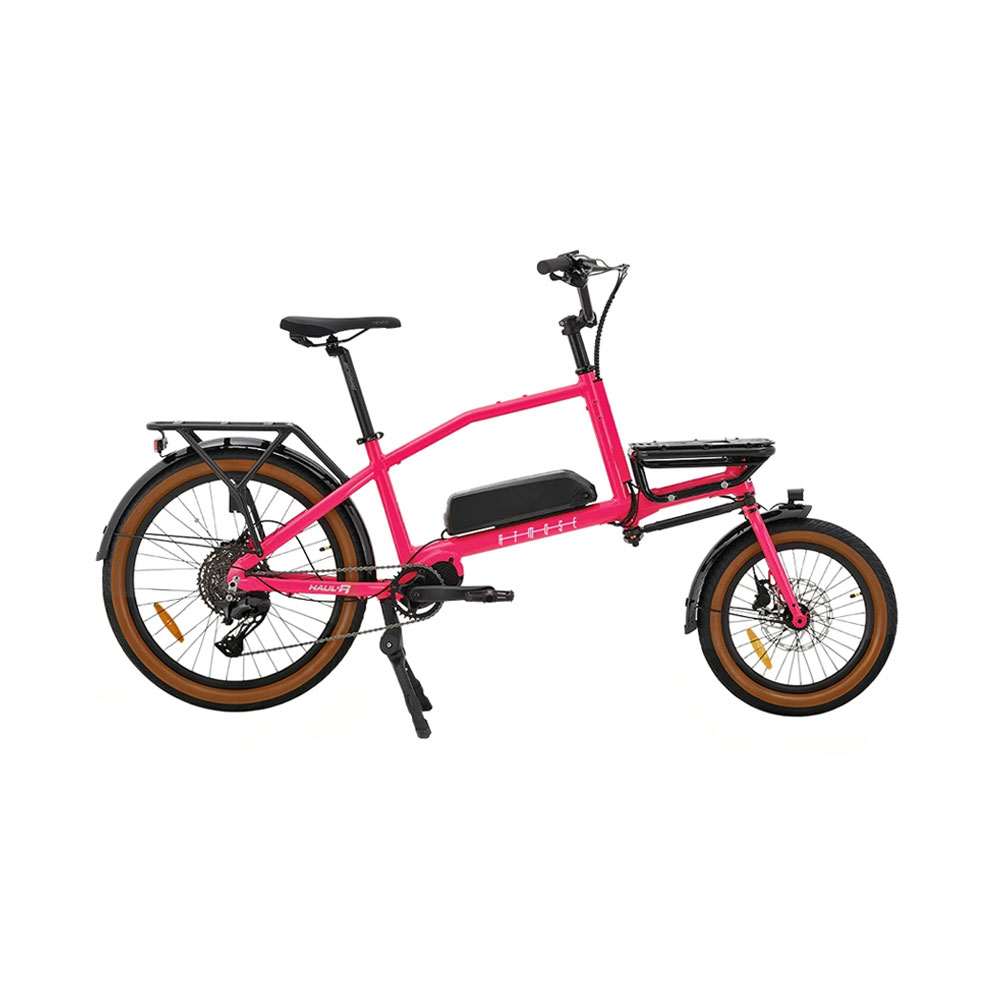
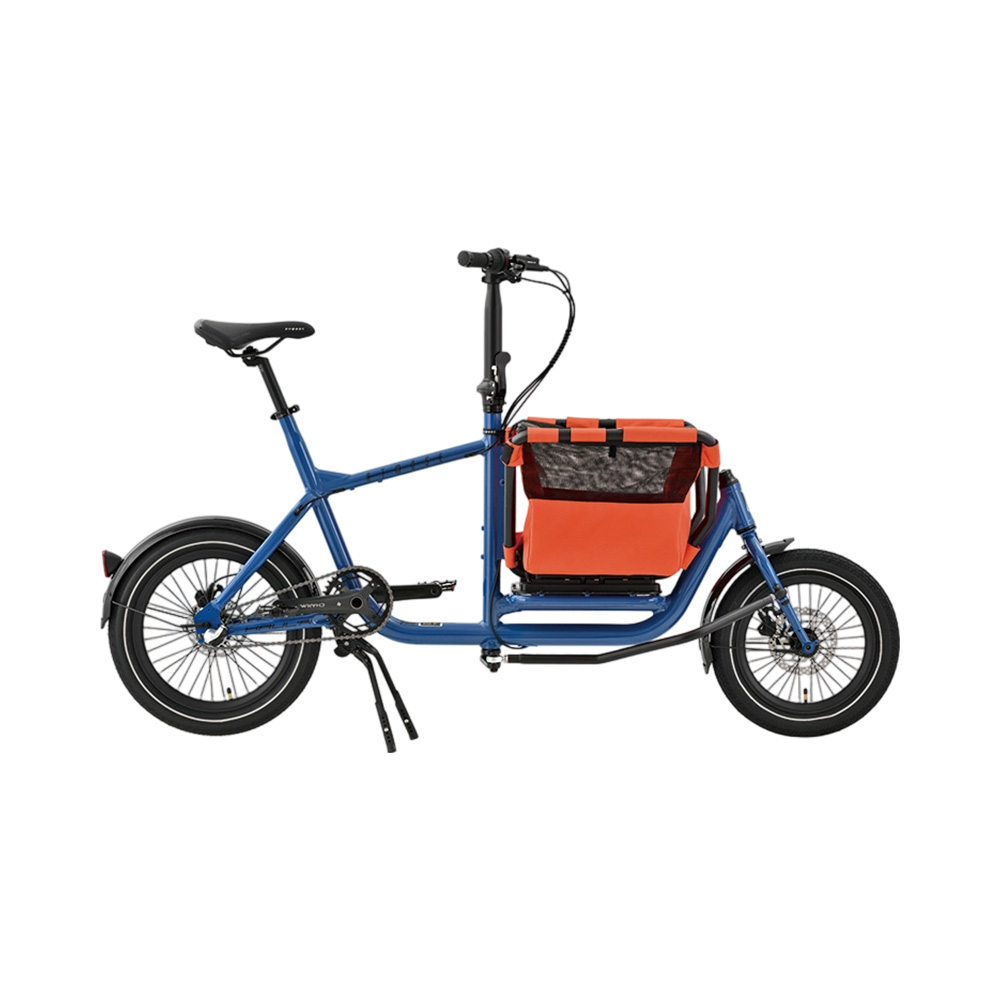
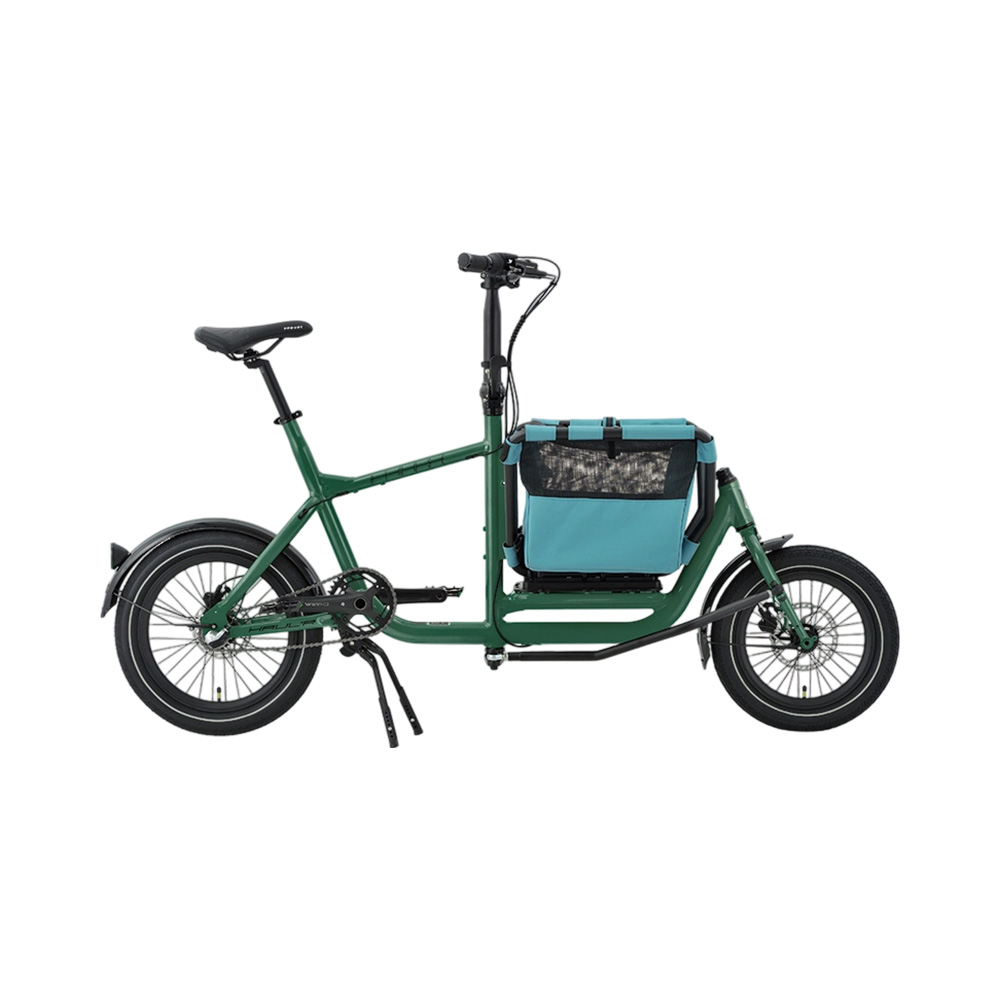
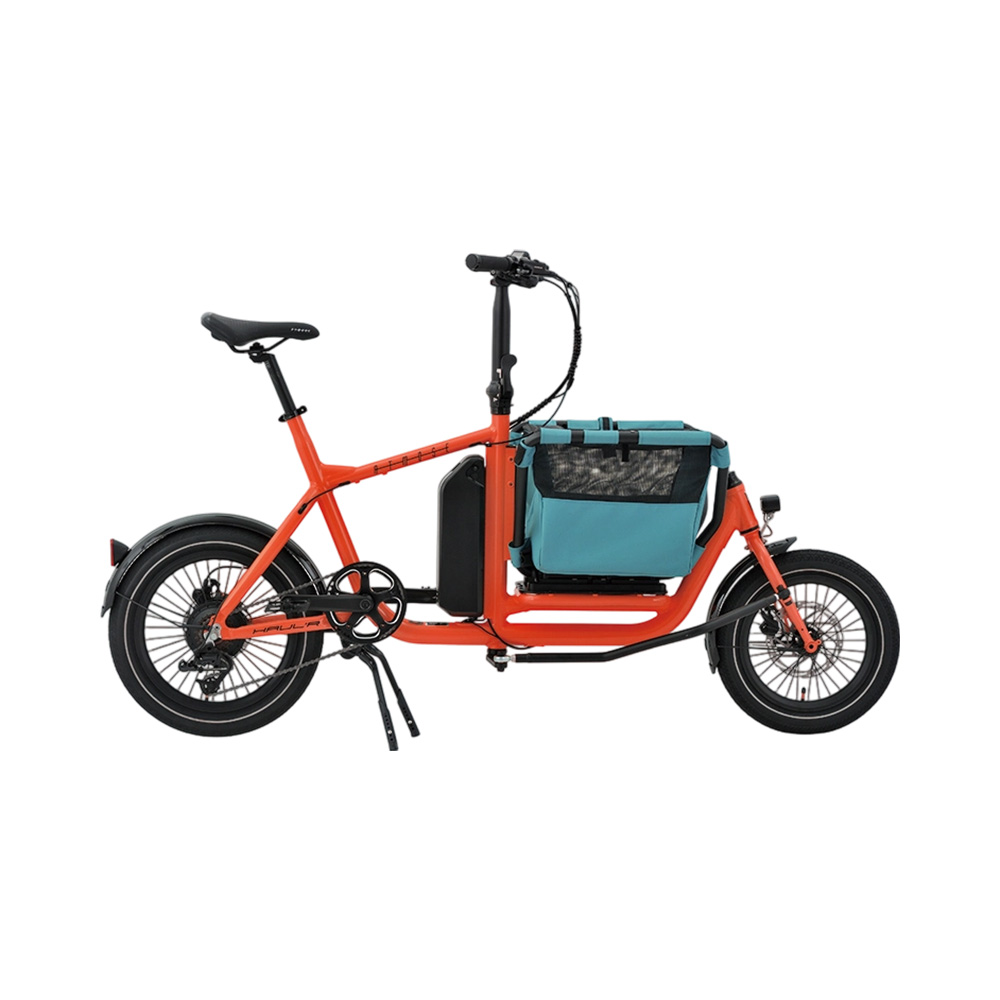
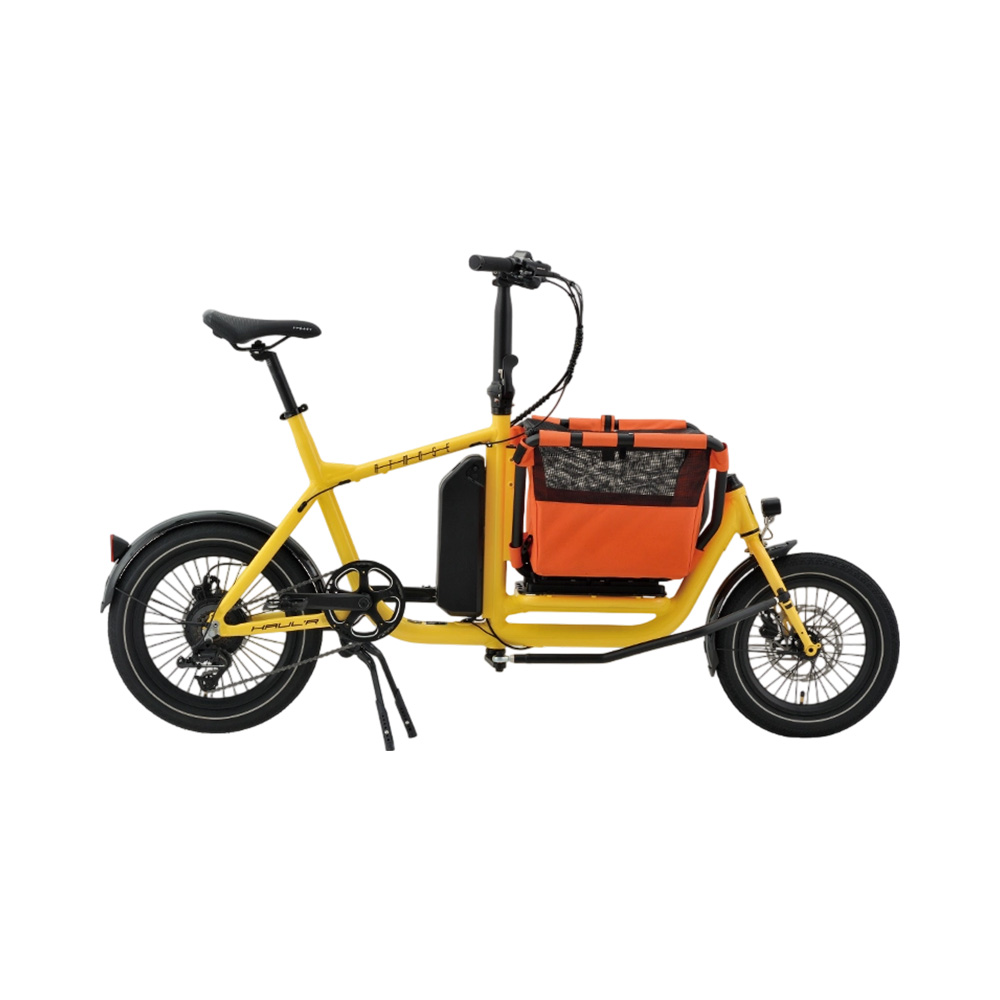
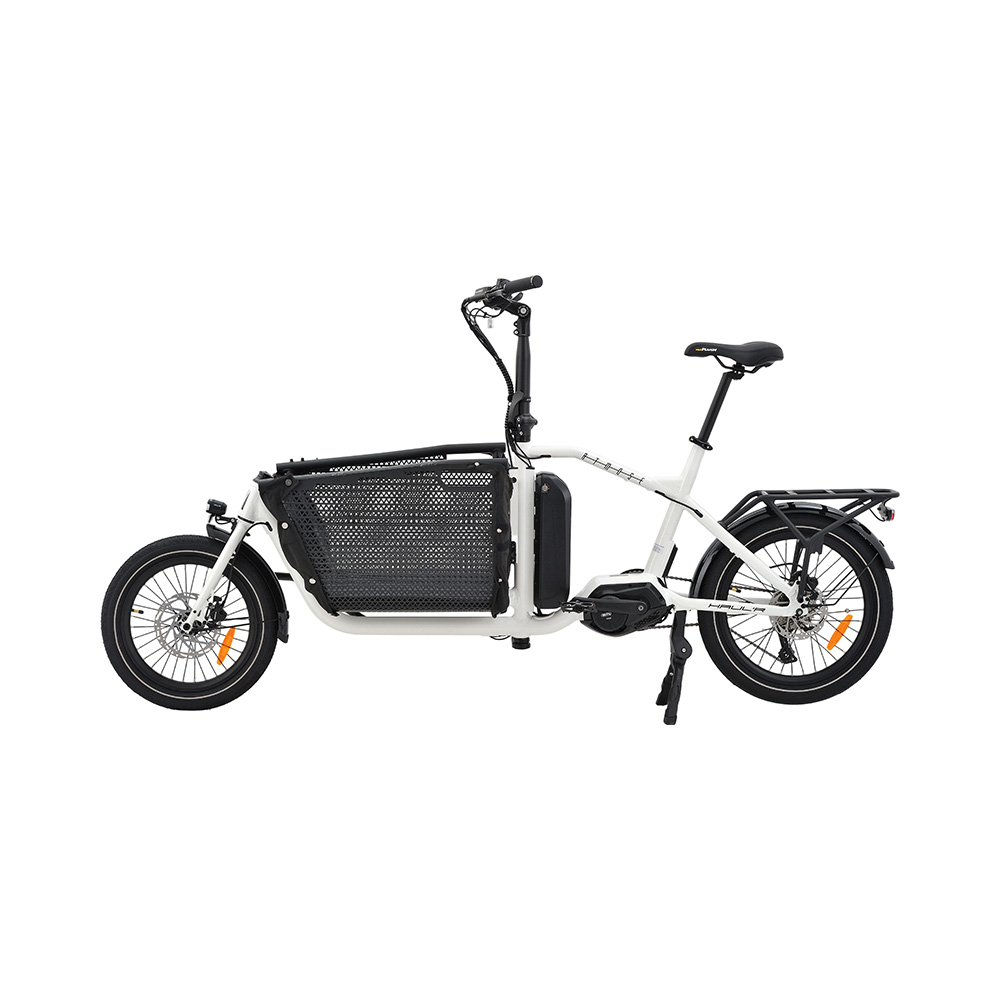
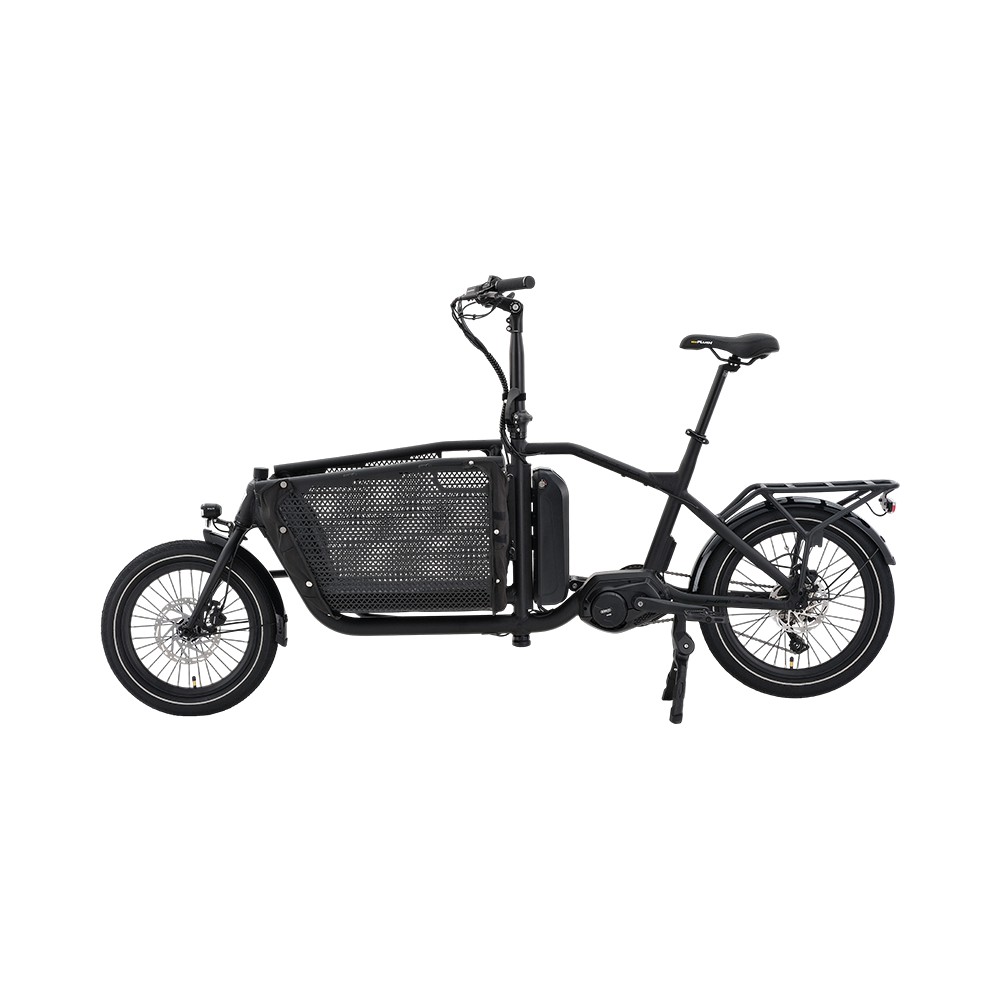
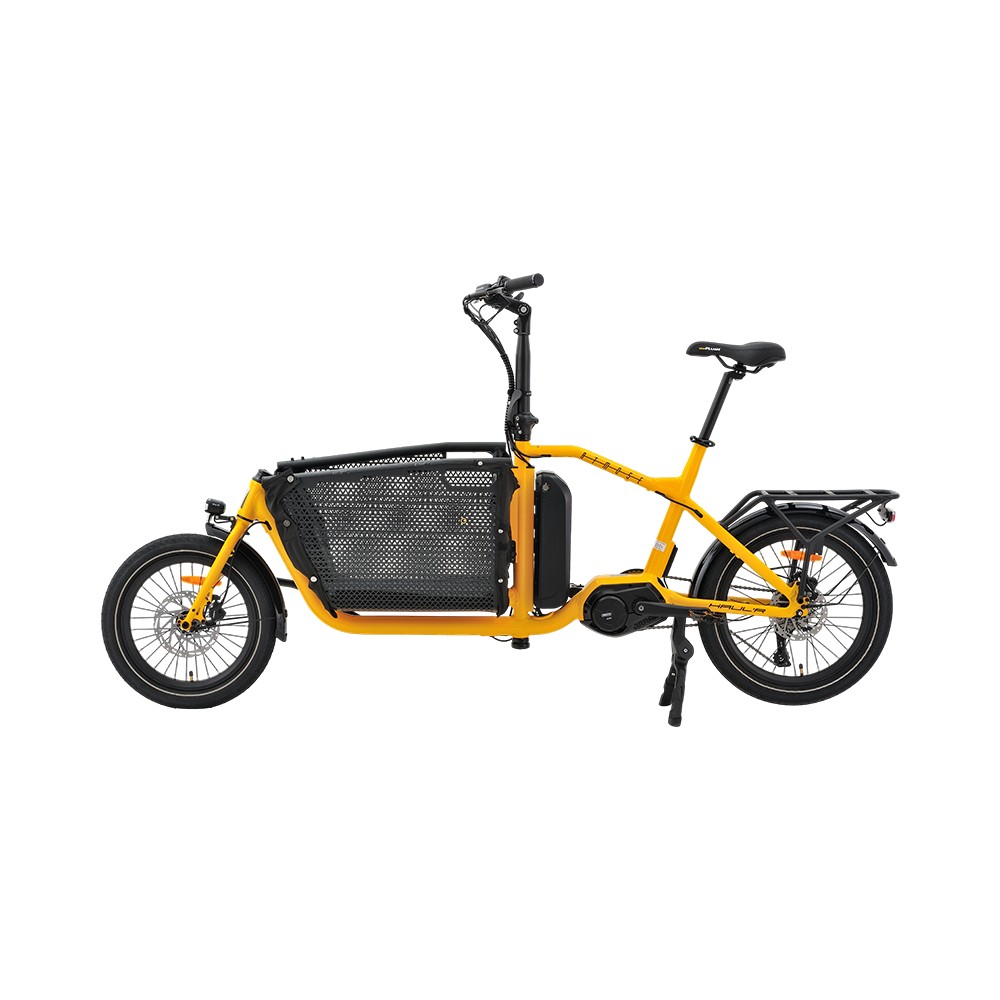
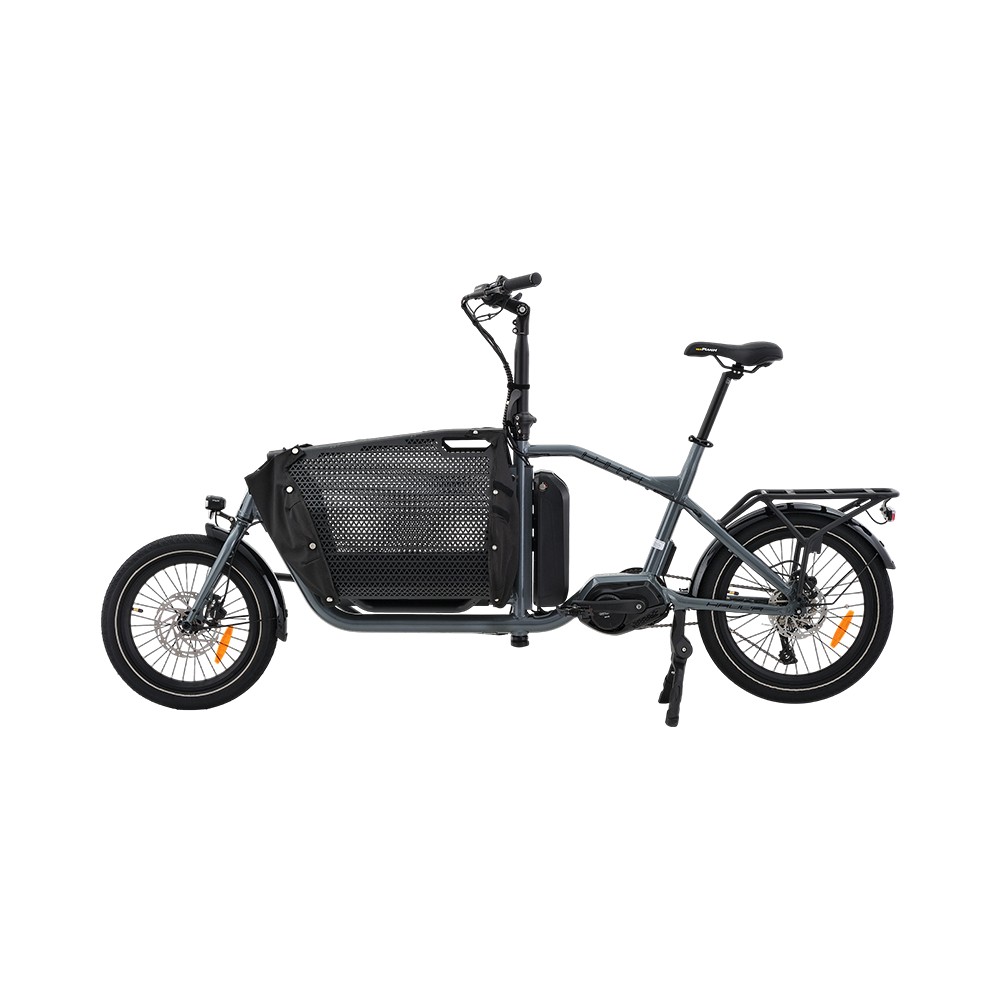
Daily travel in cities often involves short routes, crowded streets, traffic signals, limited parking areas, and frequent stops. For people who need to carry work items, shopping bags, or personal belongings, an ordinary bicycle may not always provide enough storage space. An Electric Transport Bike offers another approach by combining pedal assistance with practical cargo space.
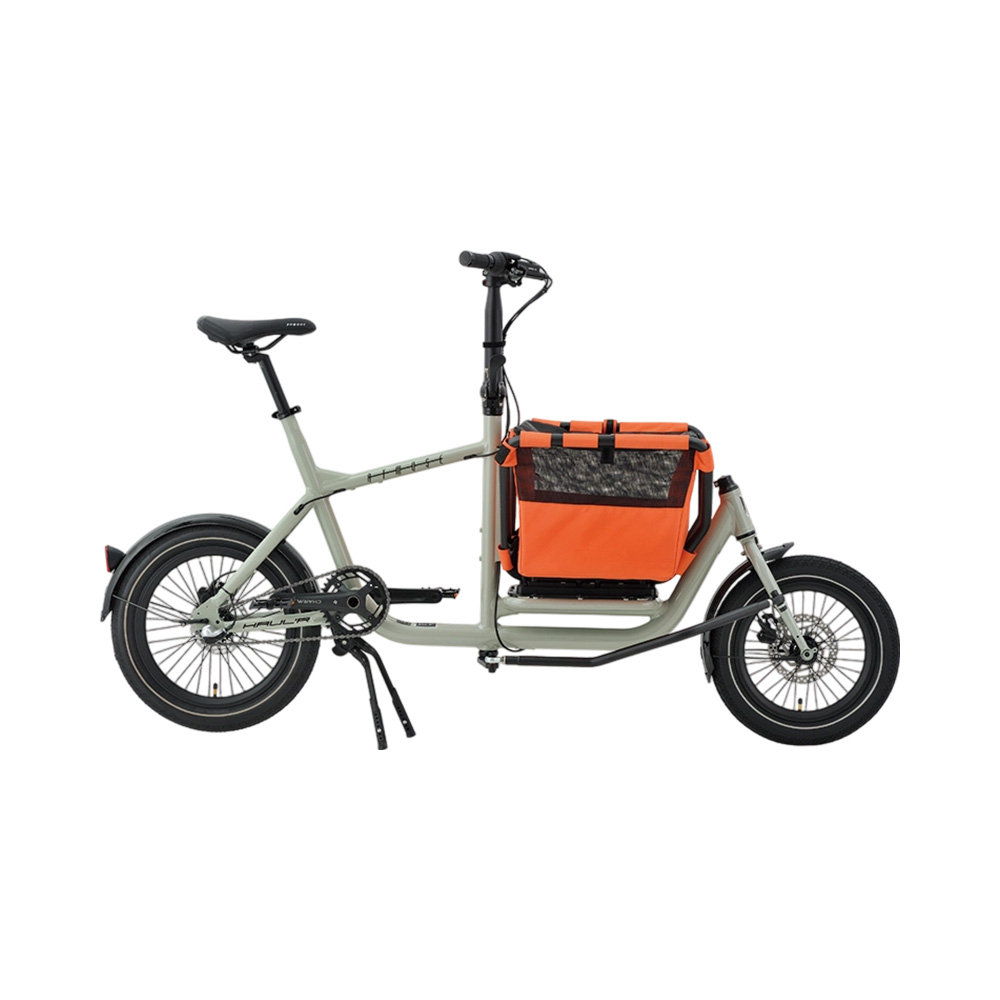
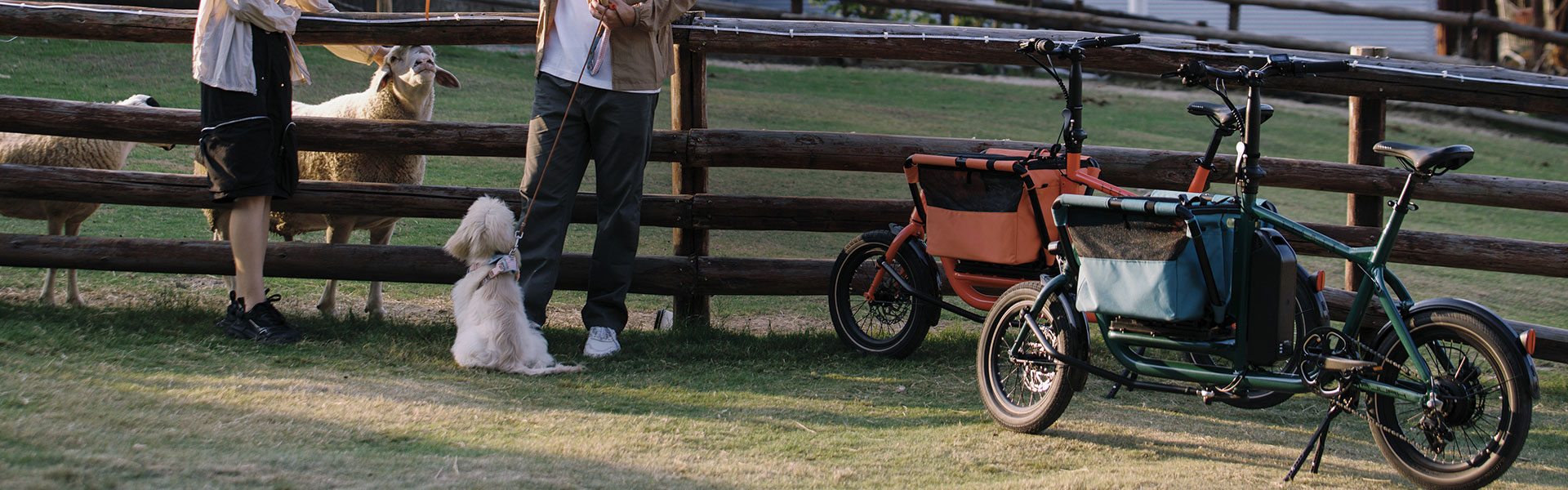
The design of an electric transport bike can support a wide range of everyday activities. A rider may use the same bicycle for commuting, grocery shopping, visiting local stores, or carrying equipment between different locations. The electric assistance can also provide support when the route includes slopes or when additional cargo is carried.
City riding requires attention to the overall dimensions and handling of the bicycle. Frame geometry affects steering, riding posture, and the way the bicycle responds during turns.
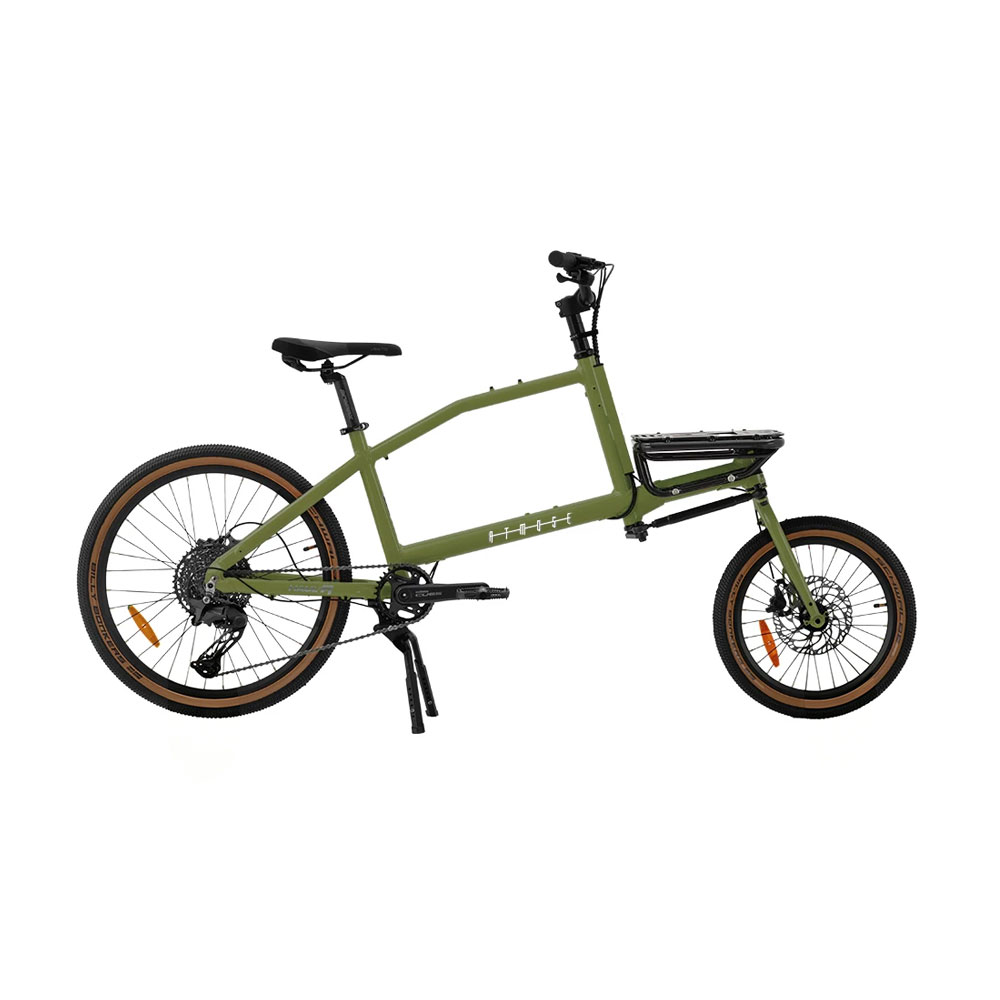
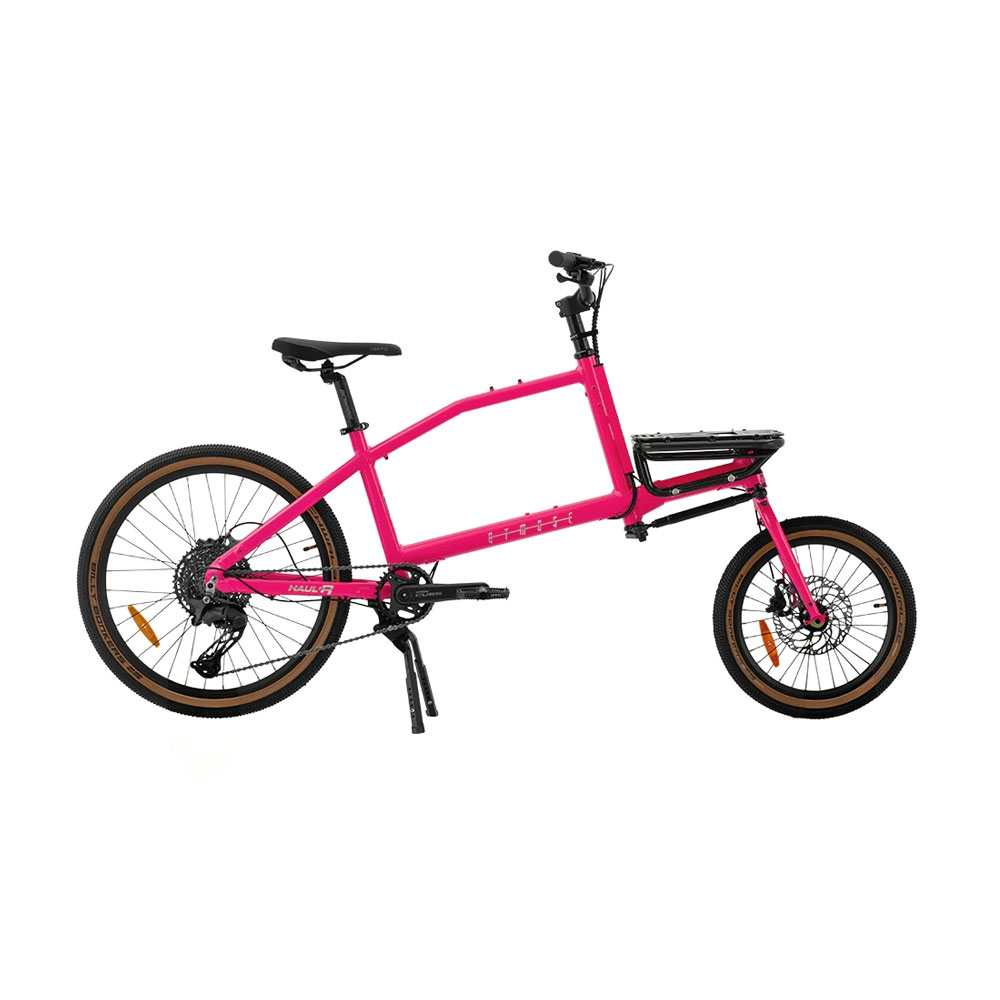
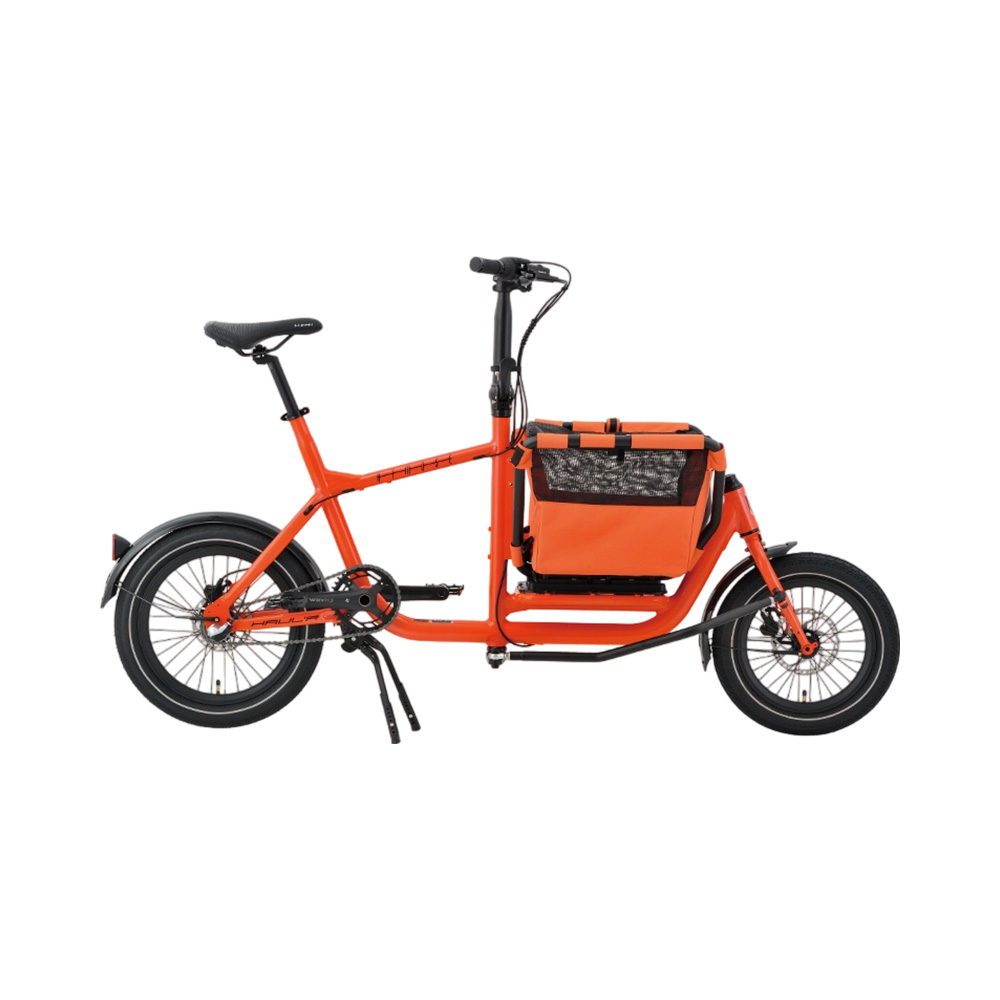
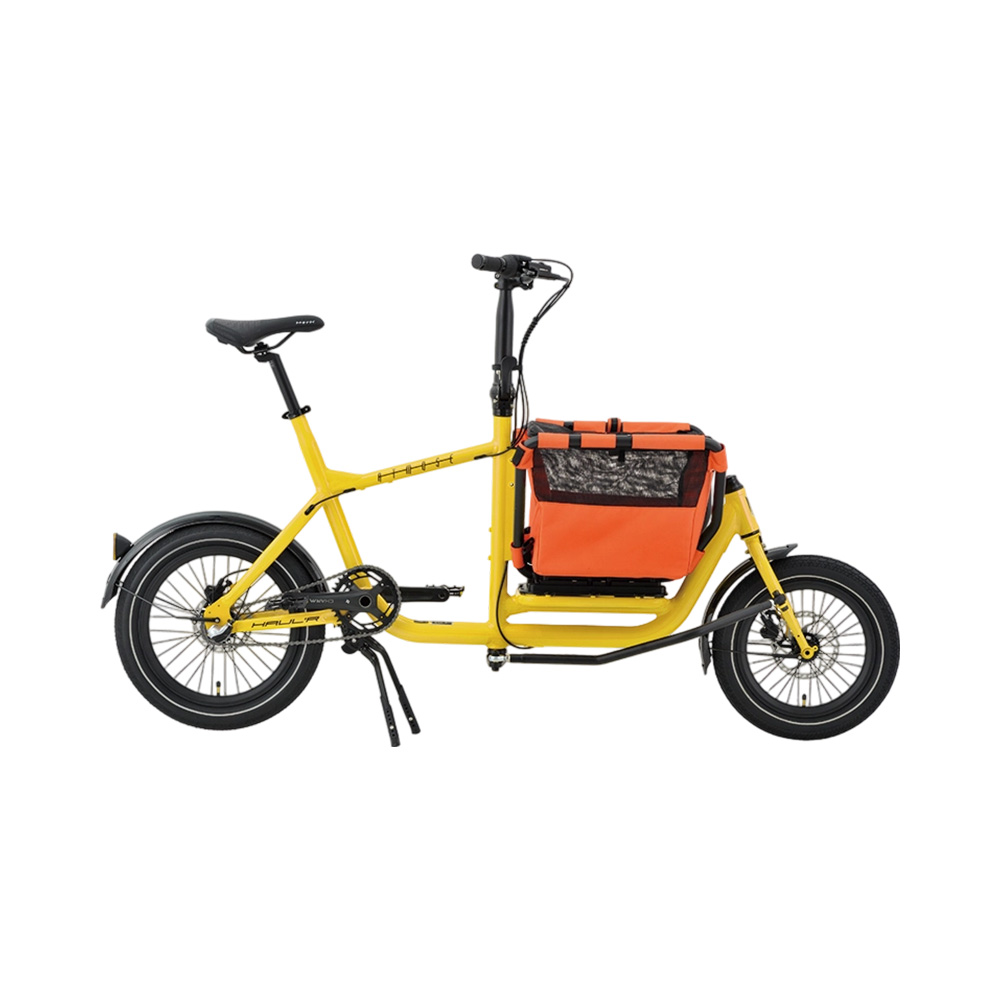
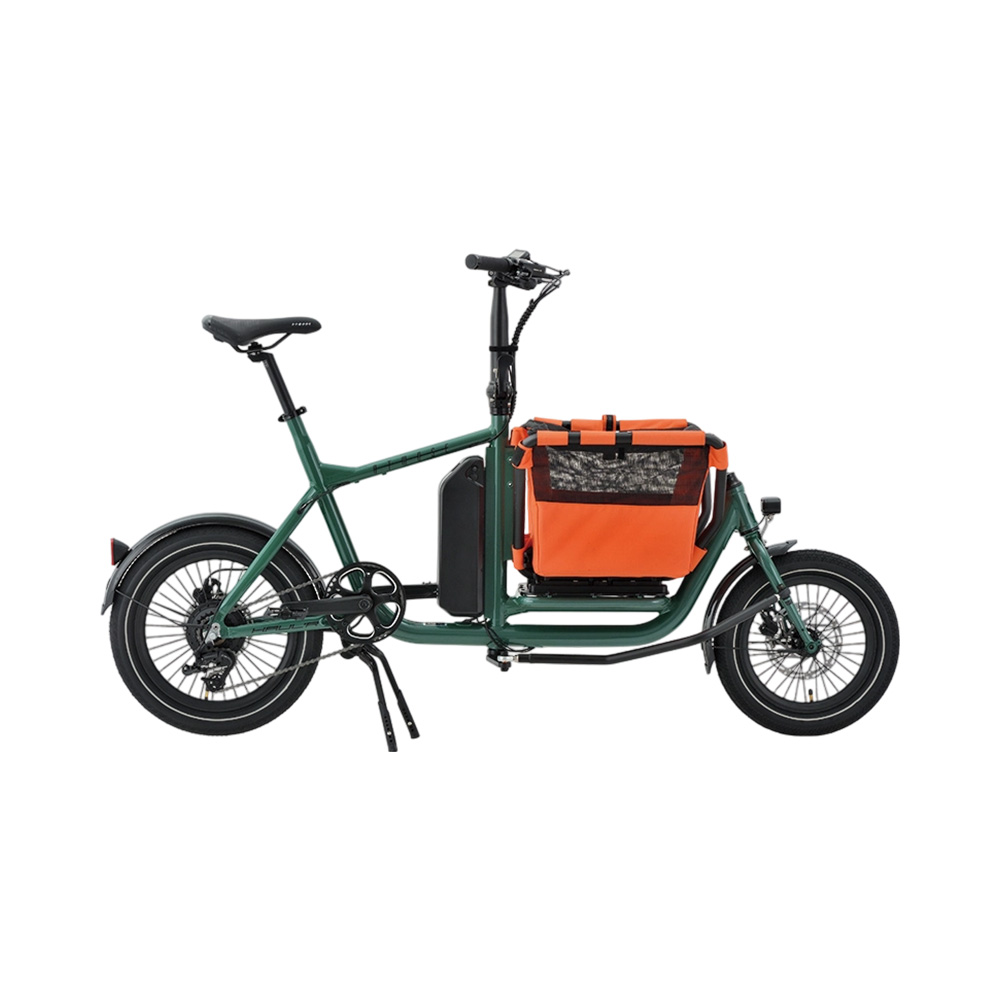
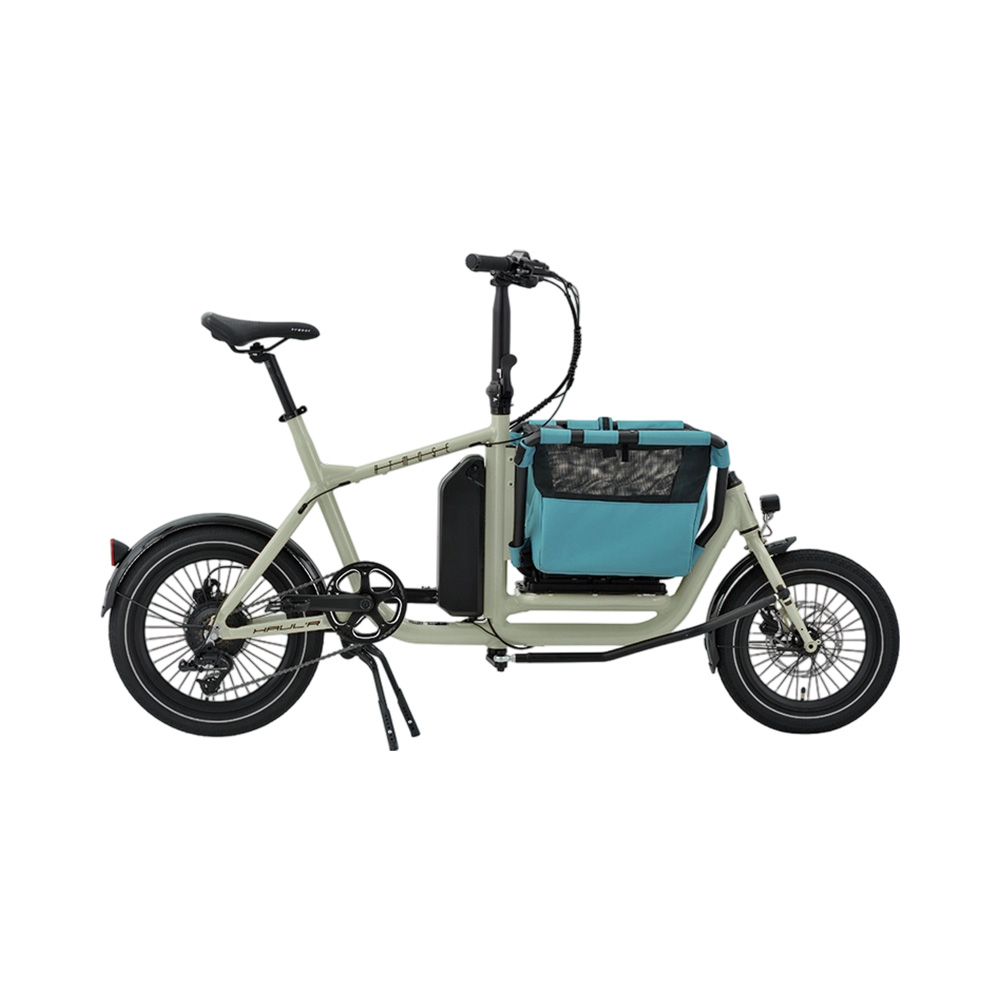
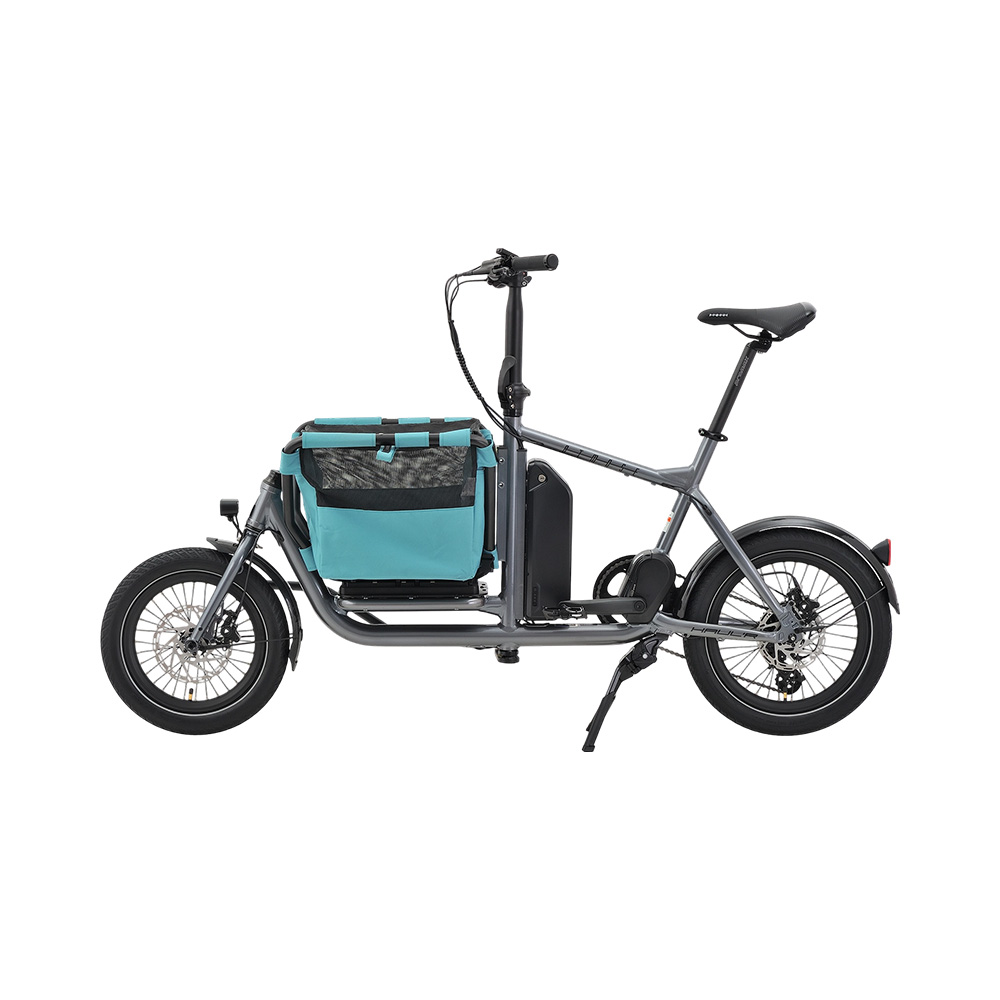
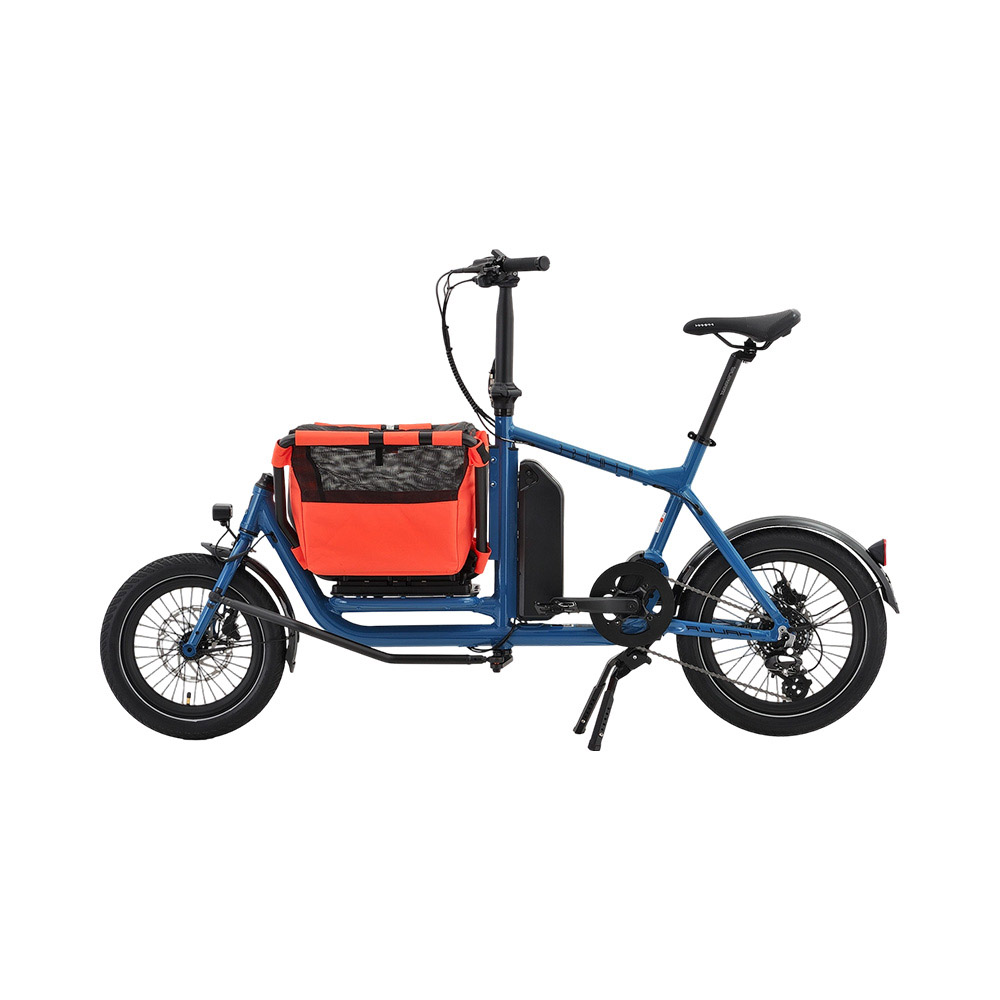
A transport bike may use a longer frame to create additional storage space. Other designs may focus on a more compact structure for easier movement through narrow streets. Buyers should consider the roads and paths used during regular travel before selecting a frame layout.
Wheel size and tire construction can also affect the riding experience. Wider tires may provide useful contact with different road surfaces, while tread design can influence grip in wet or uneven conditions.
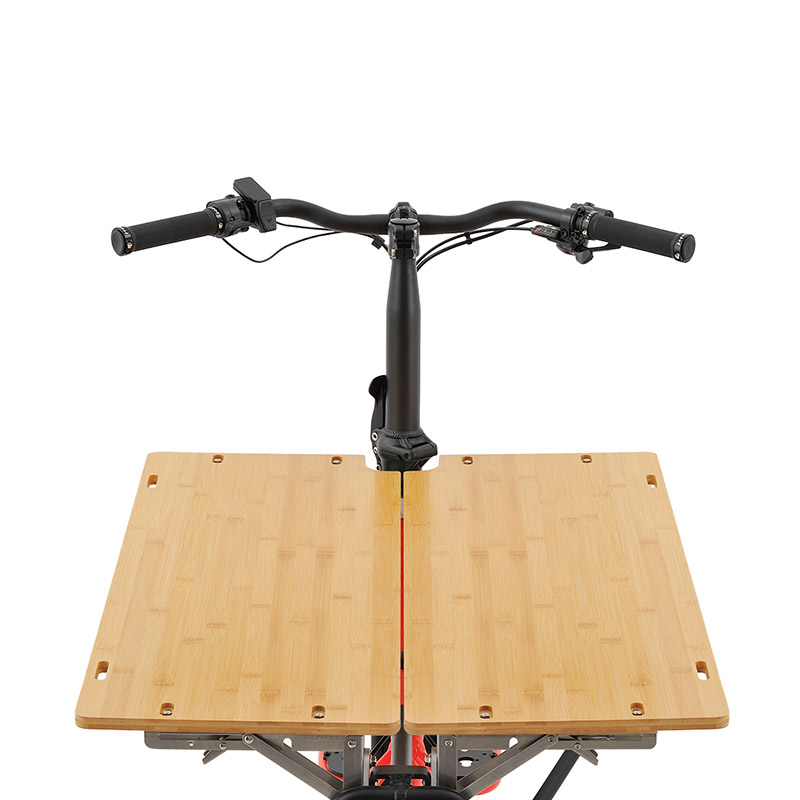
The handlebar should provide comfortable control without creating excessive reach. A suitable riding position can make repeated city trips easier to manage.
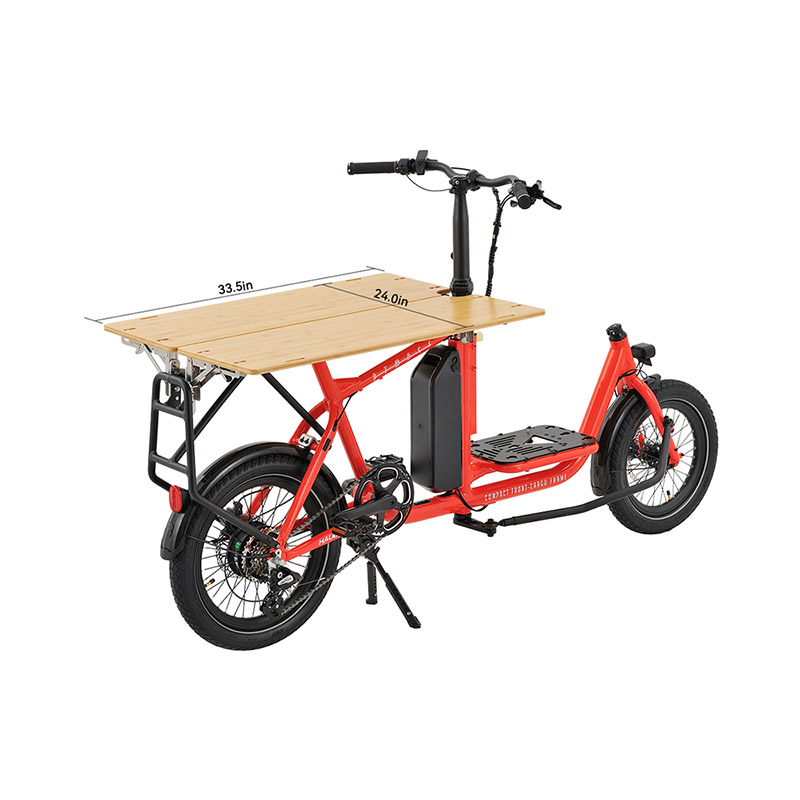
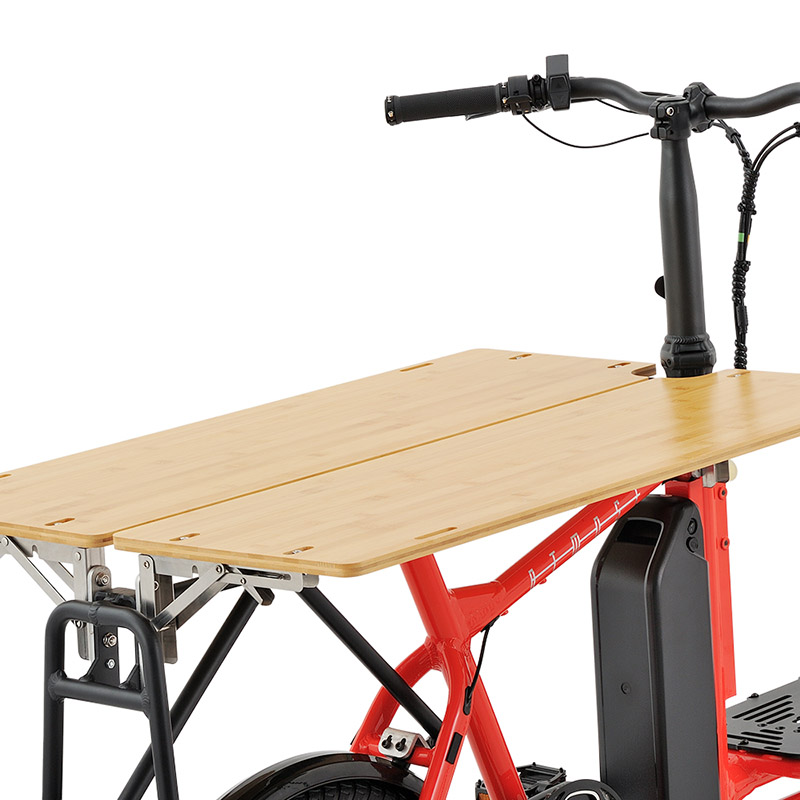
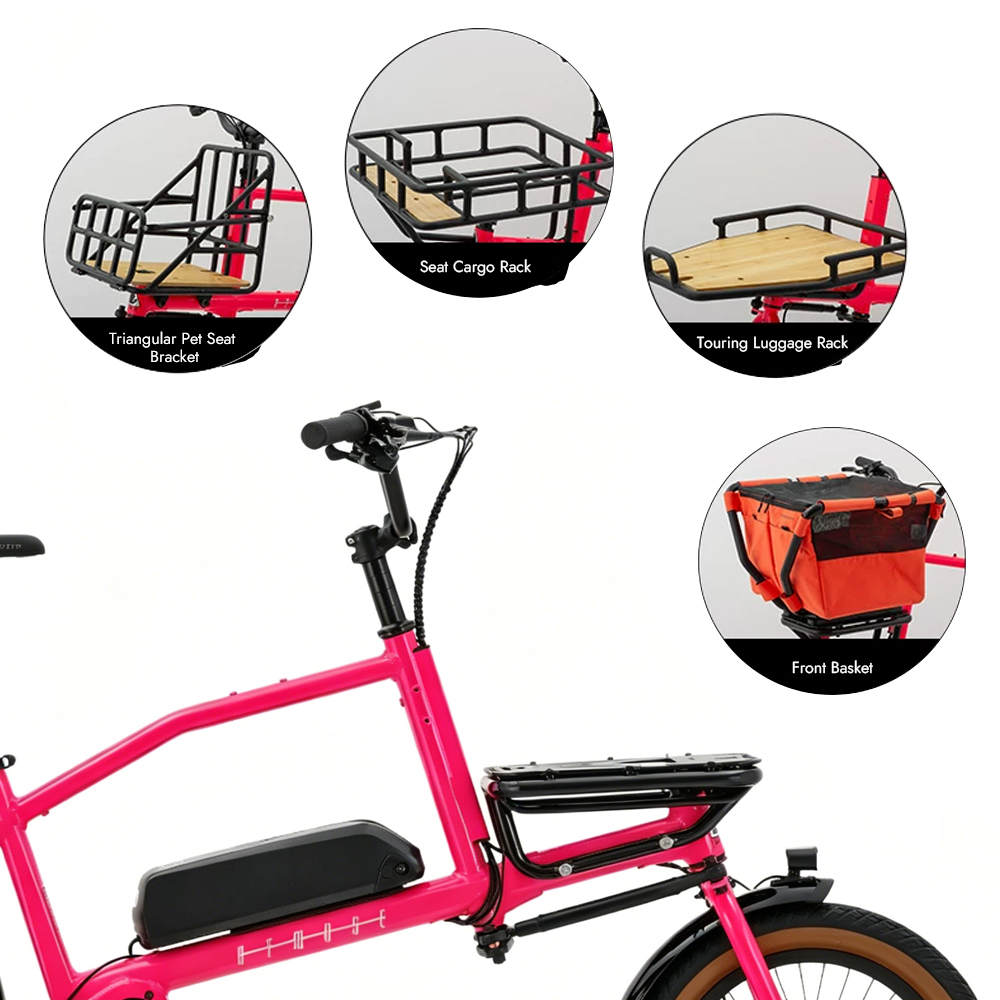
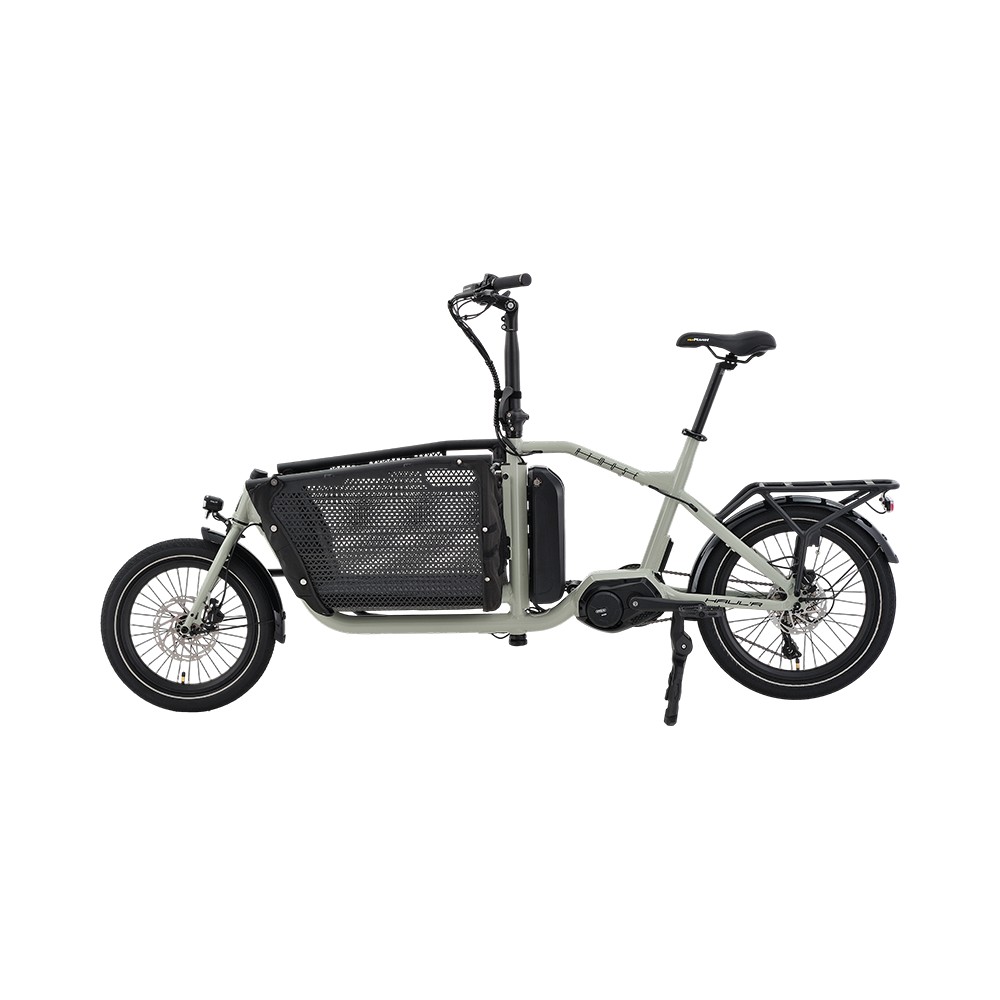
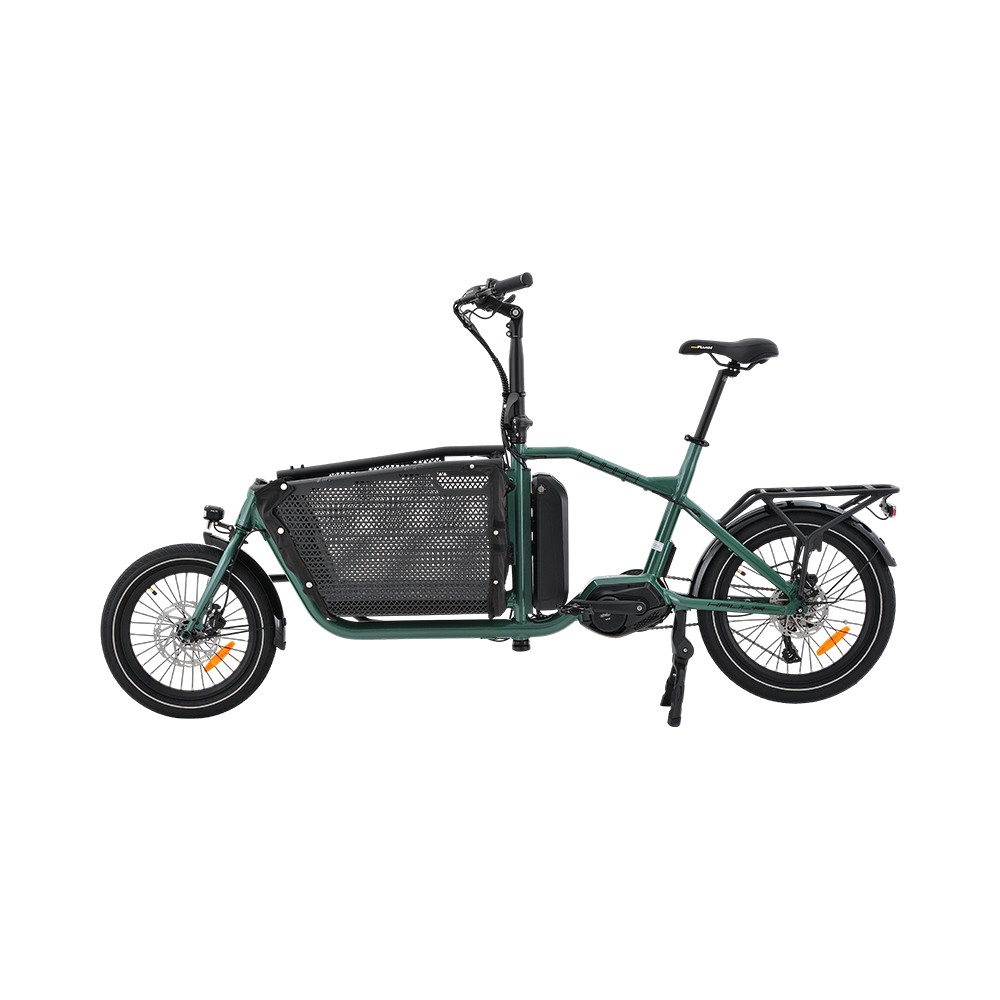
Cargo storage is one of the main reasons people consider an electric transport bike. Front racks, rear racks, baskets, panniers, and cargo boxes can all provide different storage solutions.
A front basket can be convenient for small shopping bags or personal belongings. Rear panniers can keep items away from the steering area. A cargo box can provide an enclosed space for larger loads or items that need additional protection.
Cargo should always be secured before riding. Loose bags can shift when the bicycle accelerates, brakes, or turns. Heavy objects should be placed according to the manufacturers recommendations so that the bicycle remains balanced.
Electric assistance can make daily transportation more accessible when riders encounter hills, longer routes, or heavier loads.
Different assistance modes allow riders to adjust the amount of motor support according to road conditions. A lower assistance setting may be suitable for flat roads, while additional support can be useful when riding uphill or carrying a heavier load.
Motor configuration also affects riding characteristics. Hub motors and mid drive systems provide different relationships between motor output and bicycle movement. Buyers should consider the terrain, cargo requirements, and riding style when comparing these systems.
Comfort involves more than the saddle. Frame geometry, handlebar position, pedal location, tire pressure, and suspension components can all affect the riding experience.
The saddle should be adjusted to suit the riders height and leg position. The handlebar should allow natural control without forcing the rider into an uncomfortable posture.
Tire pressure should follow the manufacturers recommendations. Incorrect pressure can affect comfort, handling, and tire wear.
For routes with uneven pavement, suspension components may provide additional comfort. However, the overall frame and wheel design still have a significant influence on how the bicycle feels on different surfaces.
A transport bike may carry heavier loads than a conventional bicycle, so braking performance deserves careful attention.
Disc brakes are commonly used on electric bicycles because they can provide controlled stopping performance under different conditions. Brake components should be inspected regularly, particularly when the bicycle is used frequently.
Lighting is also important for city travel. Front and rear lights can improve visibility during low light conditions. Reflective elements can provide additional visual recognition around vehicles and pedestrians.
Cargo should not block lights, reflectors, or other safety components.
Urban residents often need to consider where the bicycle will be stored. A transport bike can require more space than a conventional bicycle because of its extended frame or cargo equipment.
Before purchase, users can measure garage entrances, storage rooms, bicycle spaces, and apartment access routes. Door width and turning space may also matter.
Outdoor storage requires additional protection from rain, dust, and prolonged exposure to sunlight. A suitable cover can help protect the frame and accessories.
Daily riders should develop a simple inspection routine. Tire condition, brake response, chain movement, and cargo mounting points can be checked before regular use.
The drivetrain should be cleaned and lubricated according to the riding environment. Bolts and mounting hardware should also be checked periodically.
Electric models require attention to the battery, charging port, display, motor system, and electrical connections. Charging and storage should follow the manufacturers instructions.
An Electric Transport Bike should match the users actual travel habits. Buyers can consider route conditions, cargo requirements, storage space, motor configuration, battery arrangement, braking system, comfort, and accessory compatibility.
A commuter who mainly carries personal items may need a different configuration from someone who regularly transports groceries or work equipment. Reviewing the complete daily routine can help identify a suitable bicycle structure for practical urban transportation.
Sep 18, 2026
Sep 11, 2026
Sep 04, 2026


info@atmosecargobike.com

200 rue de la Croix Nivert 75015 Paris

Custom Electric Bakfiets
 English
 Français
 Deutsch