Oct 09, 2026
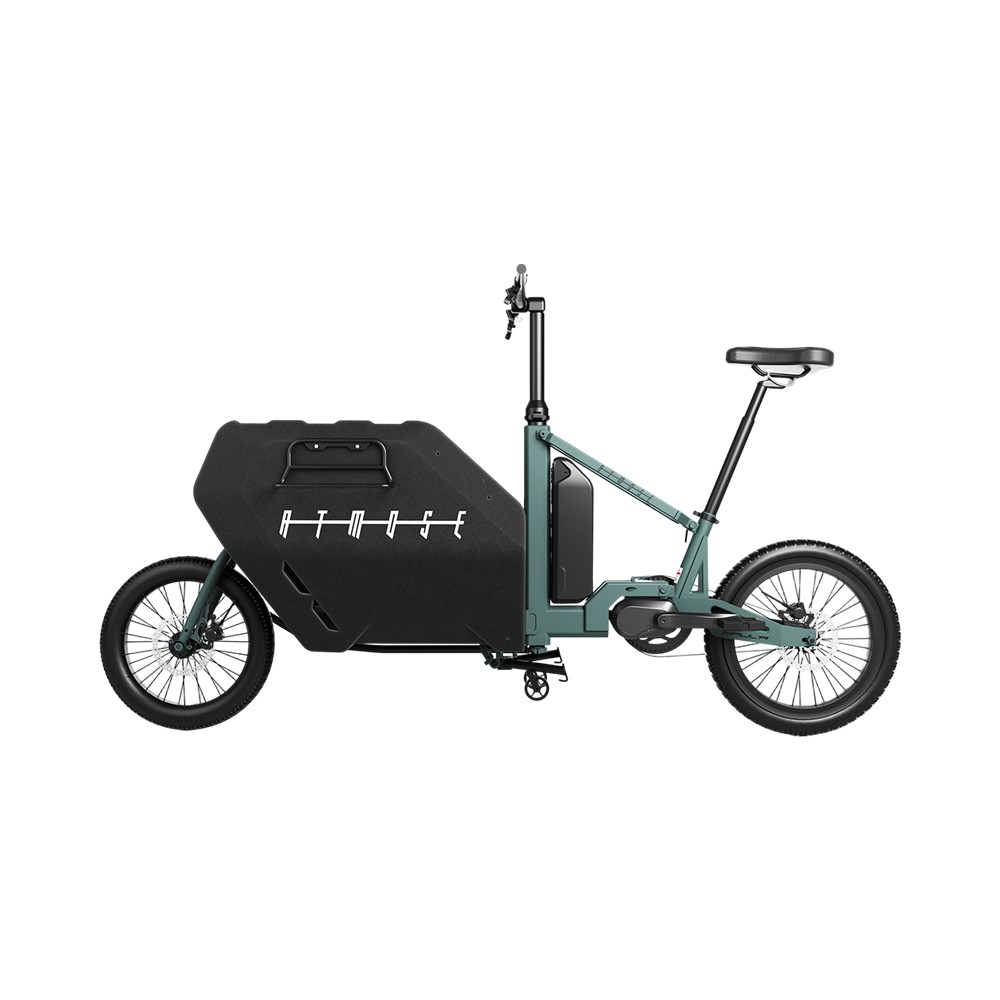
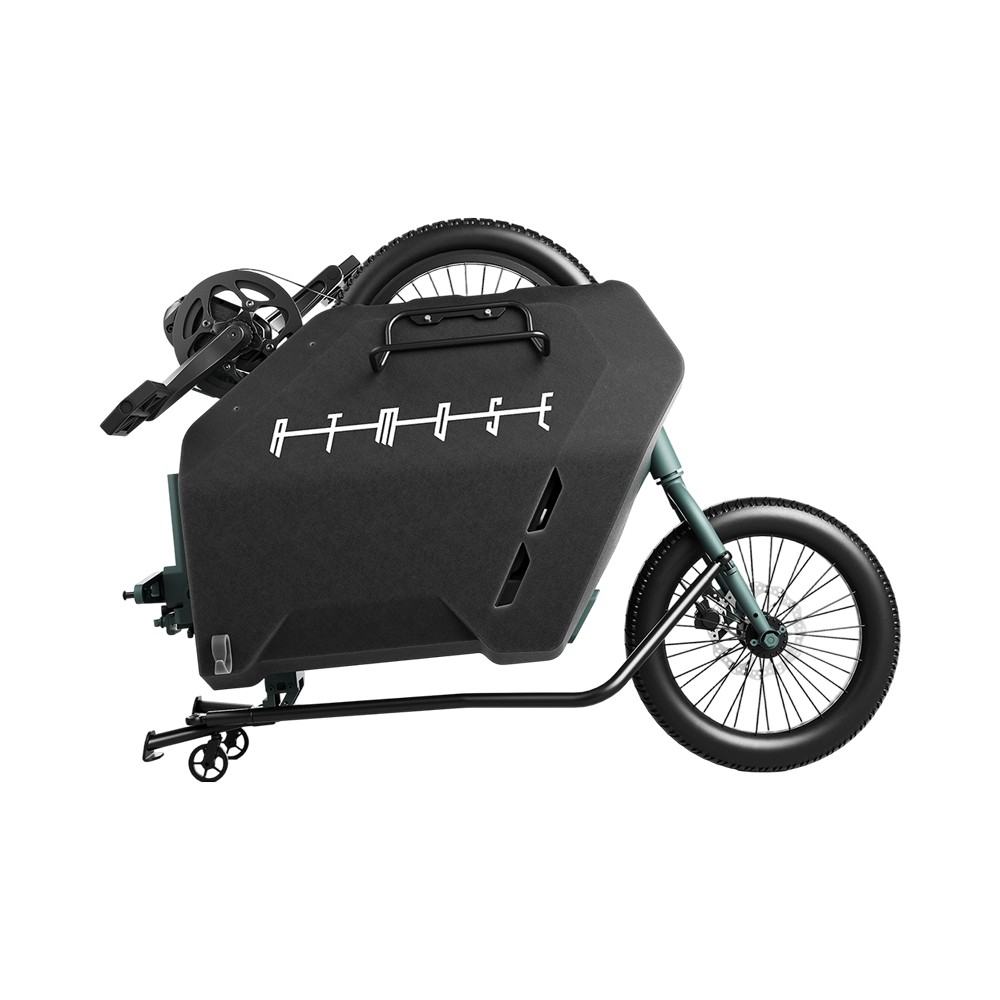
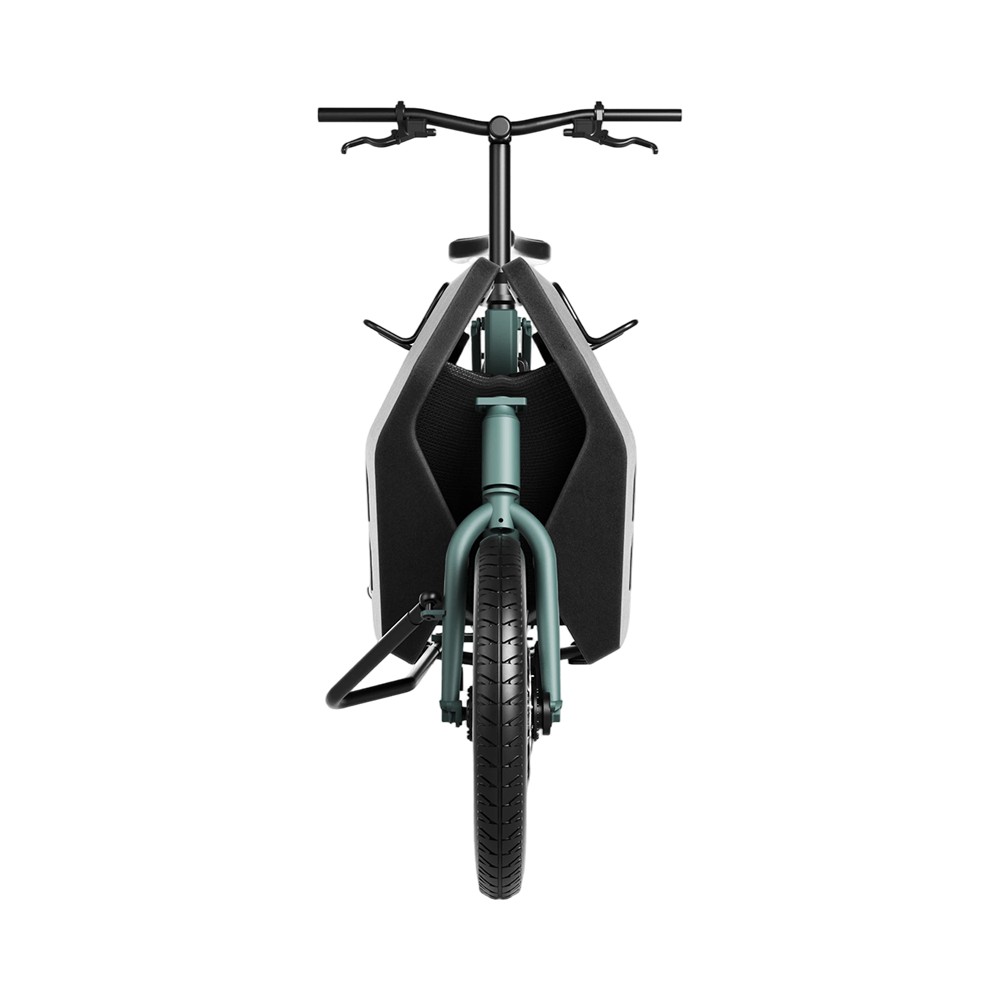
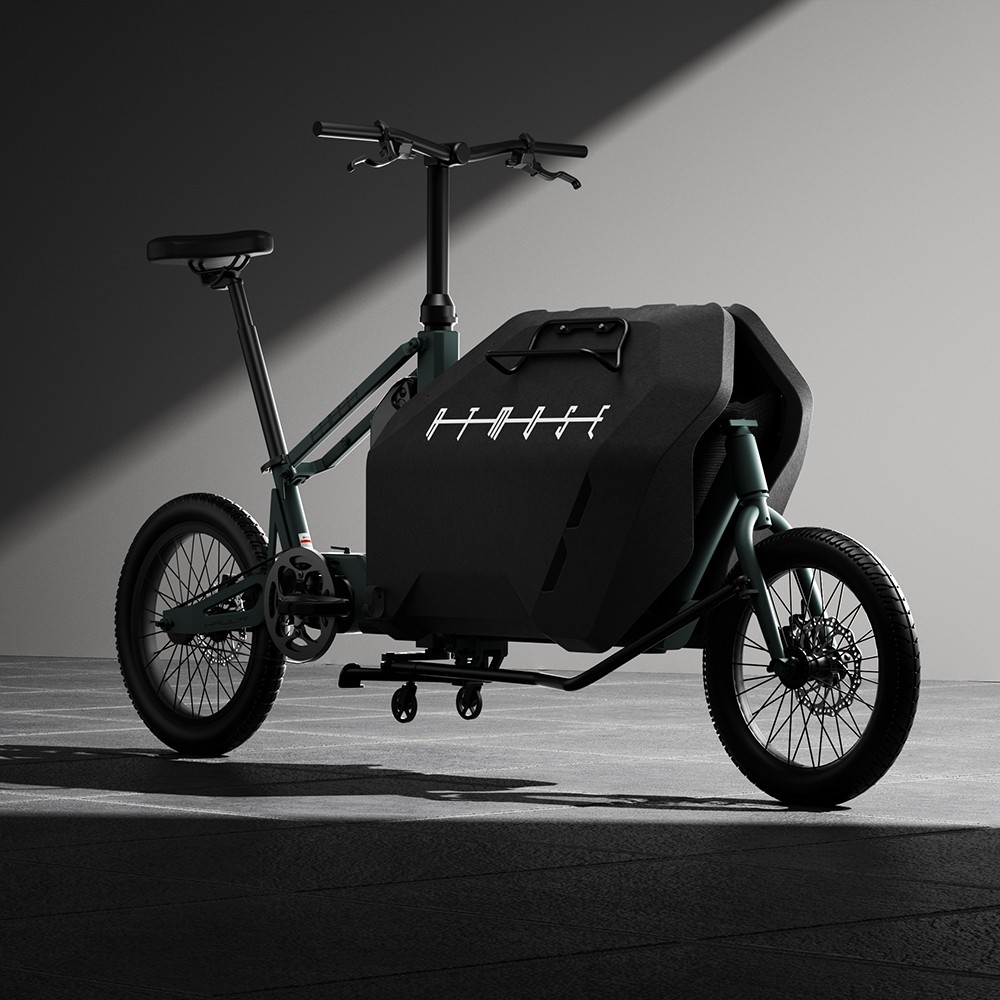
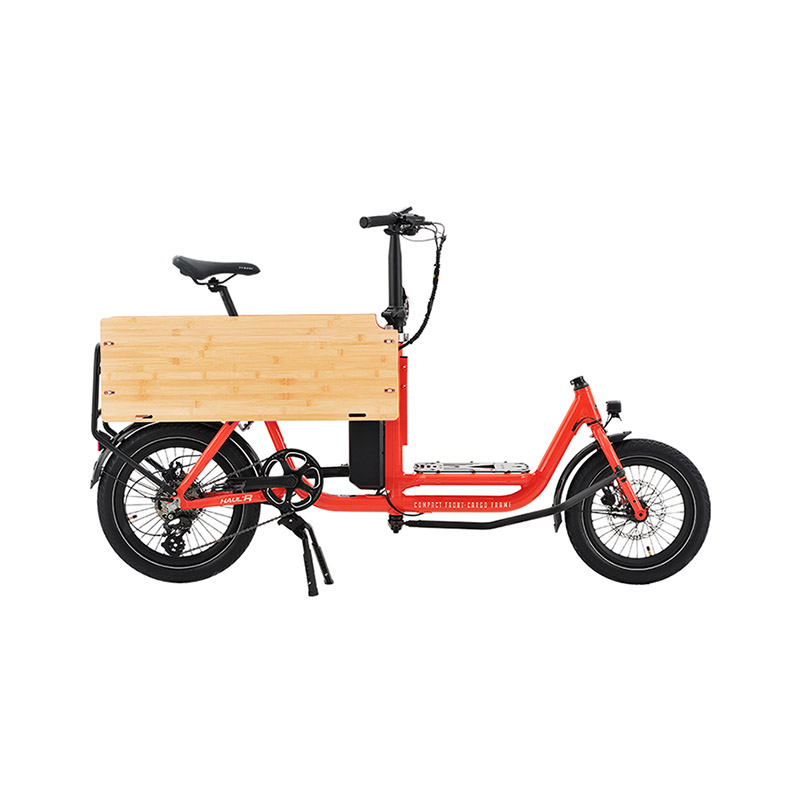
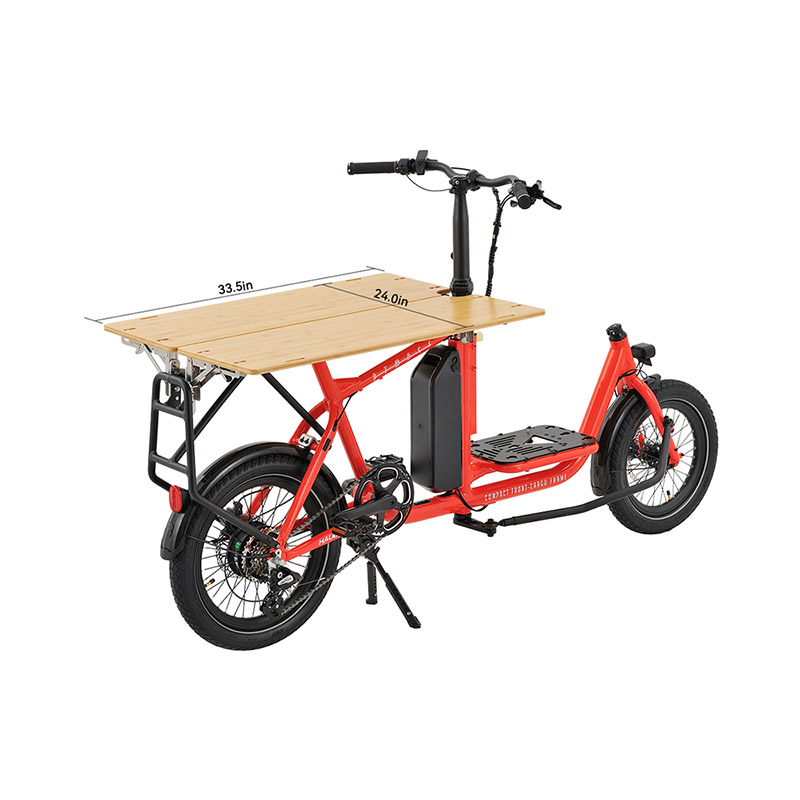
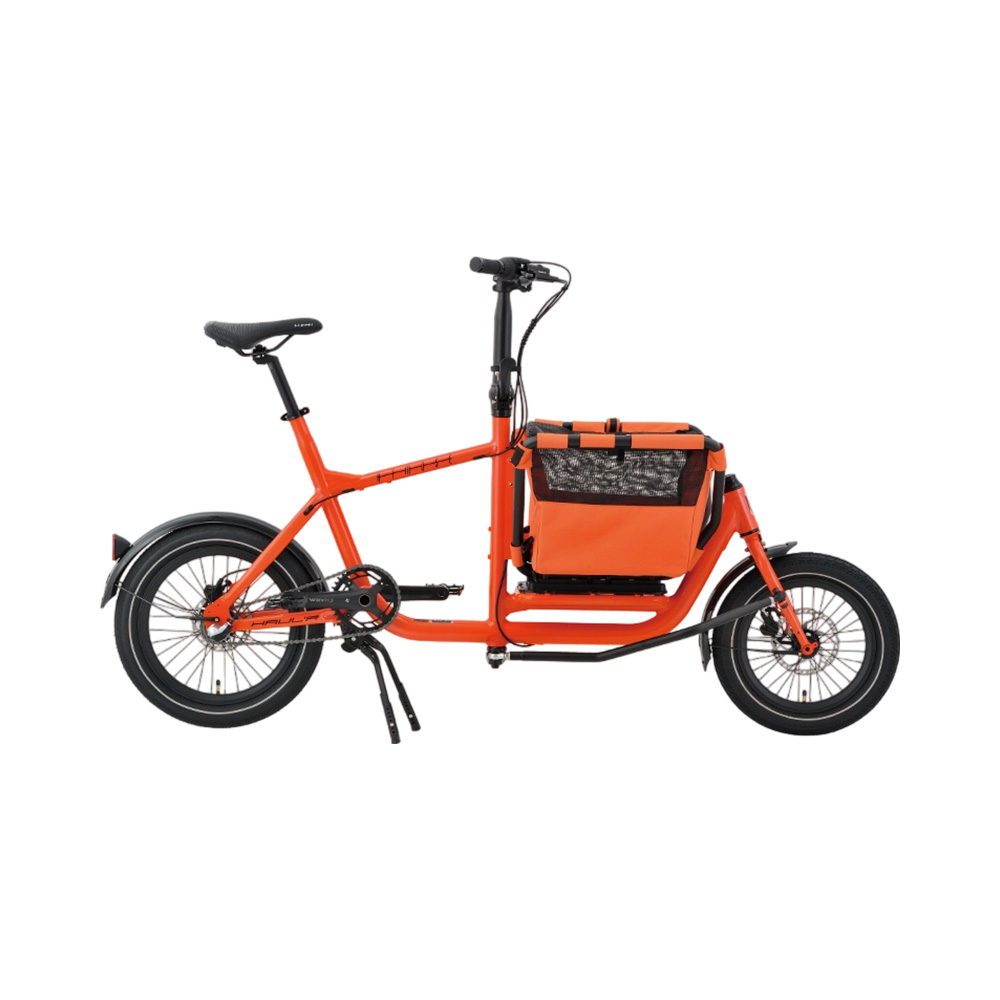
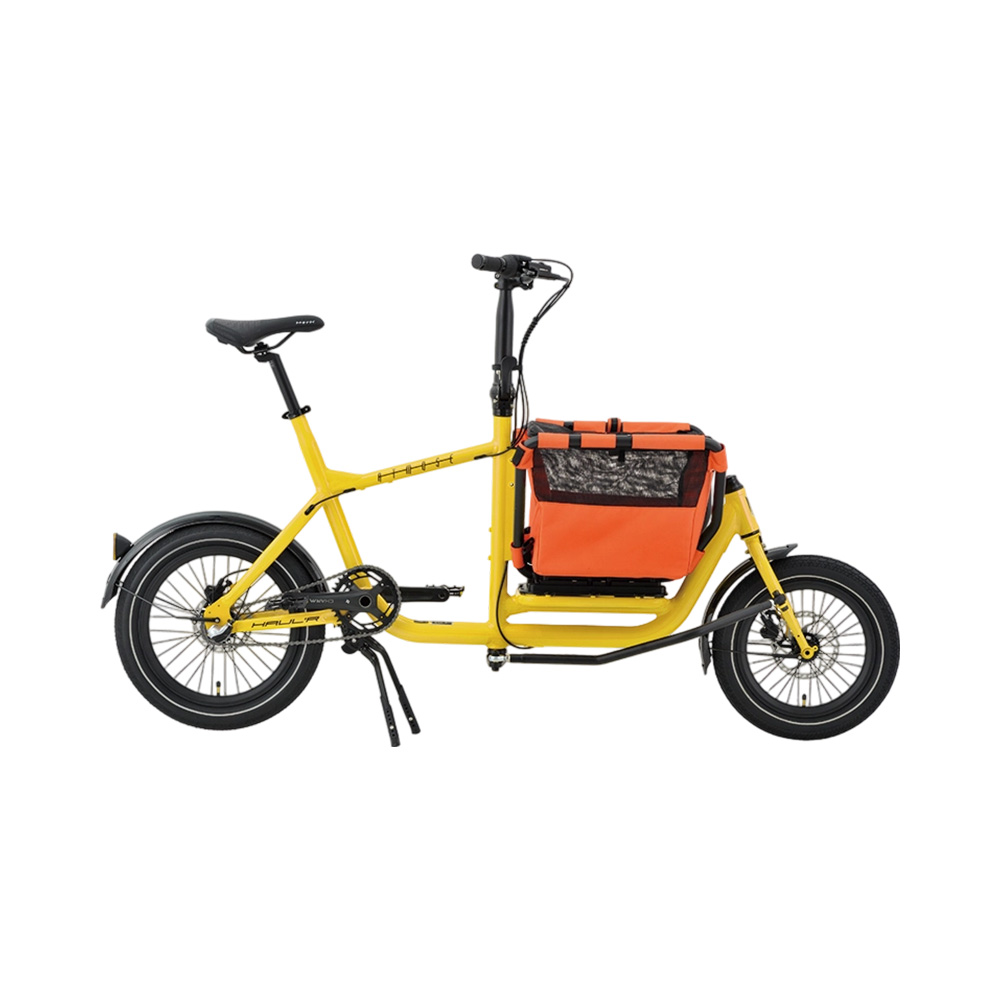
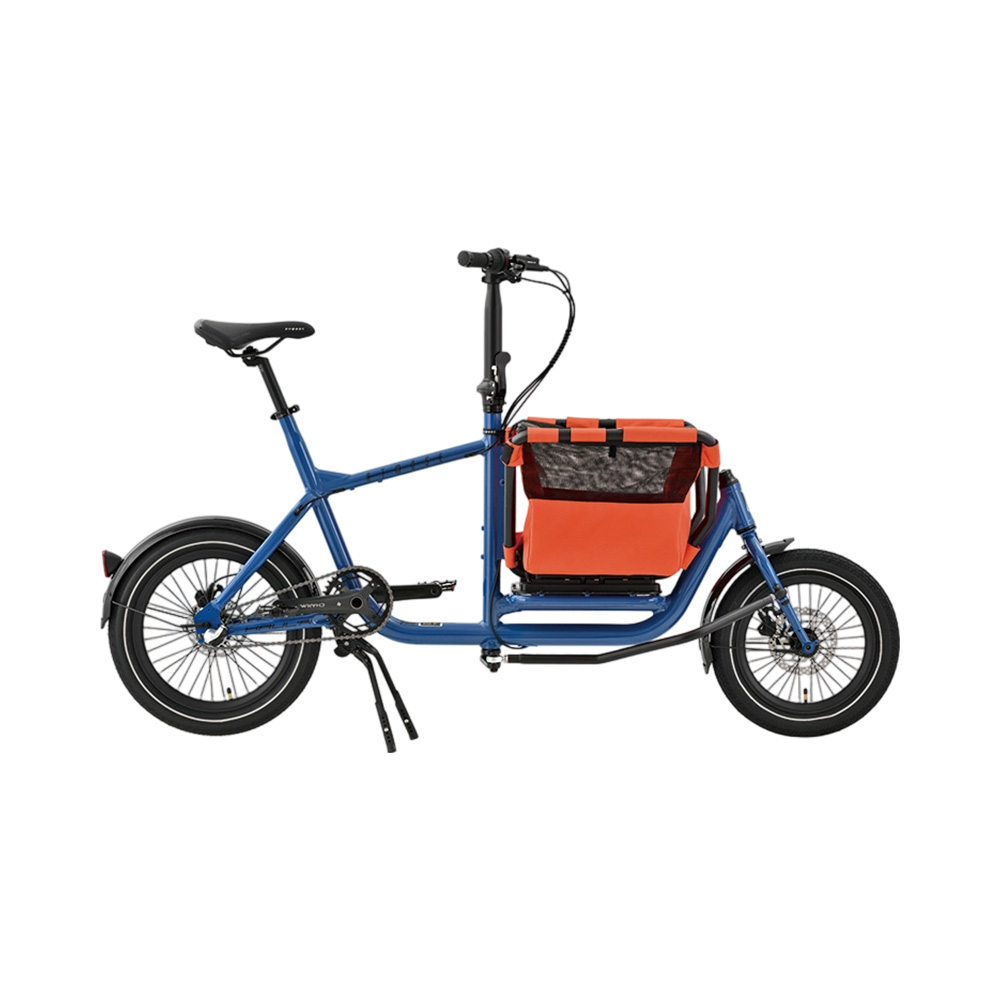
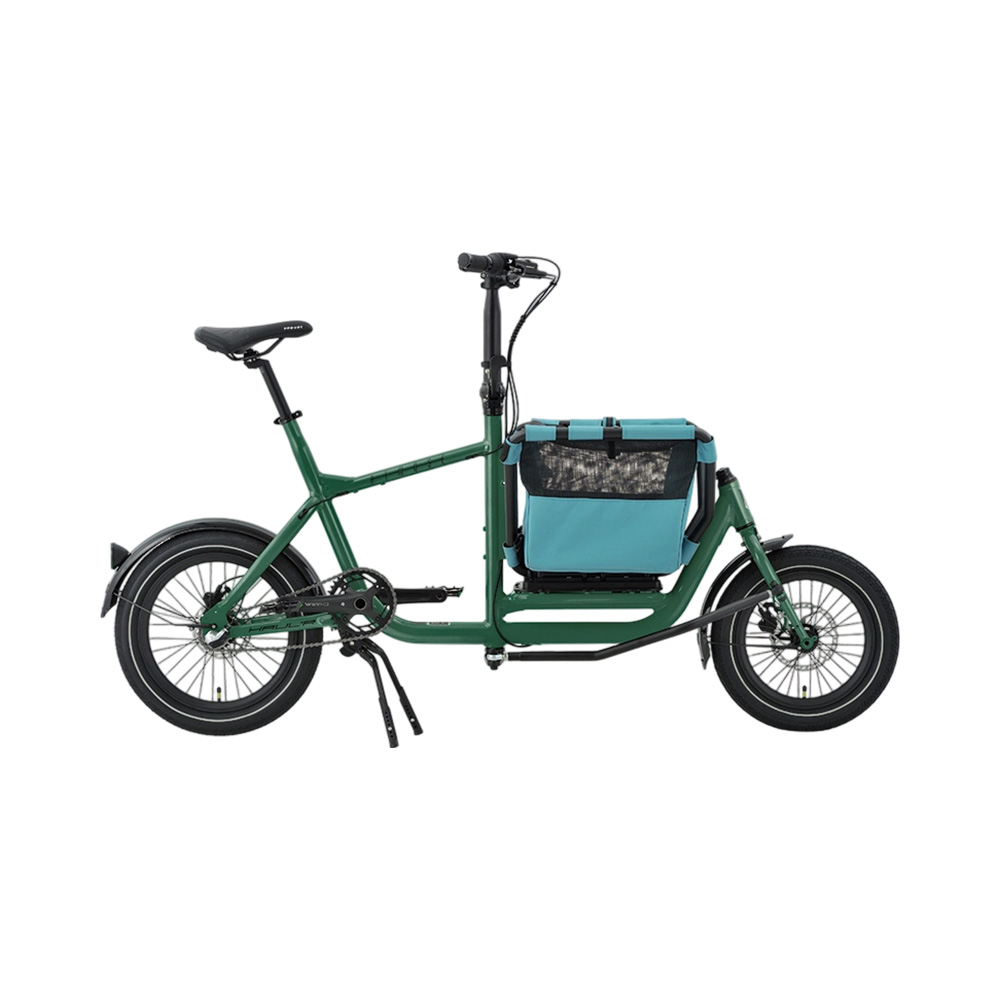
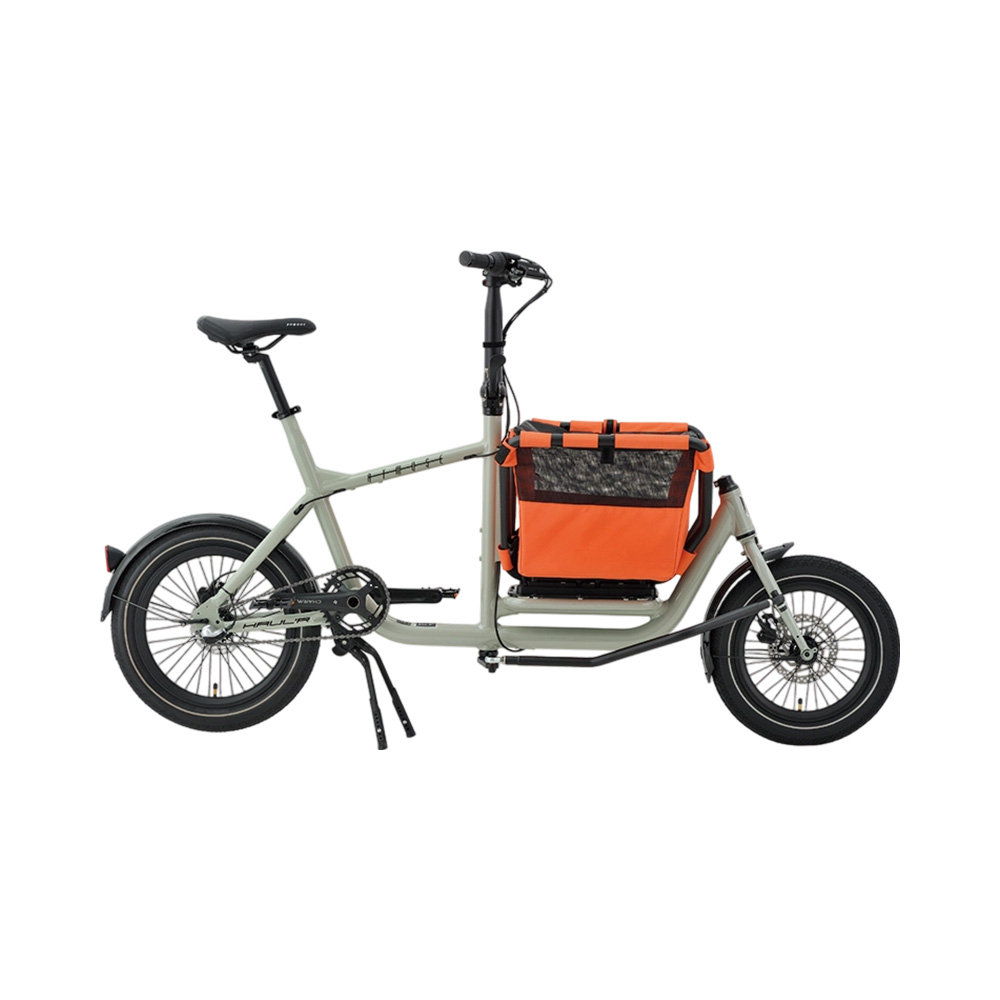
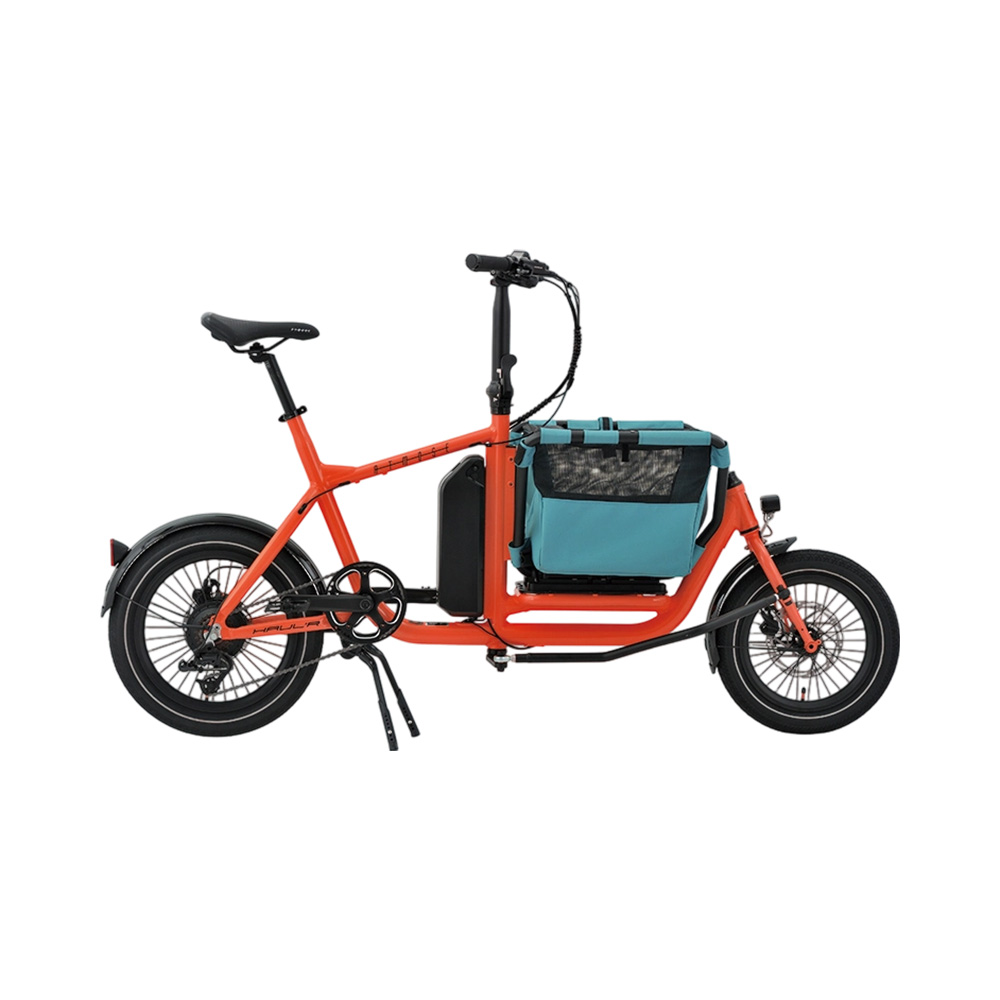
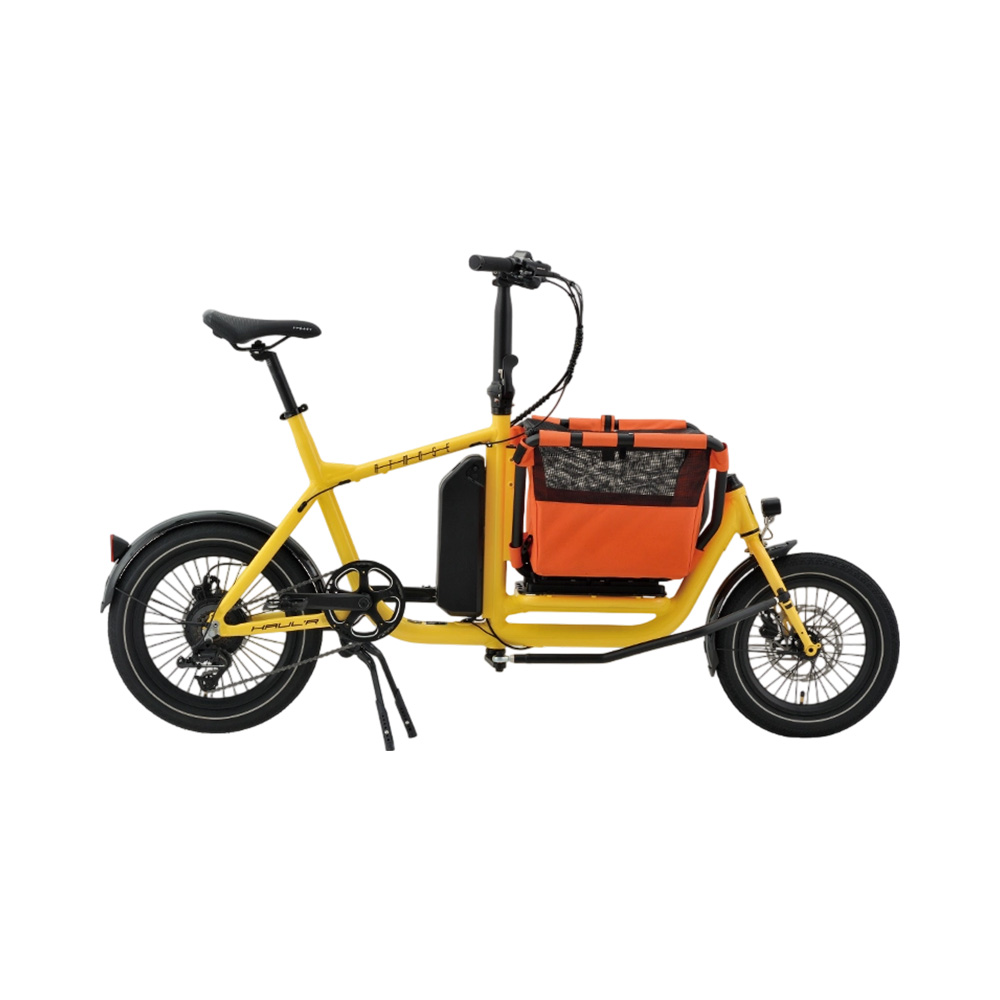
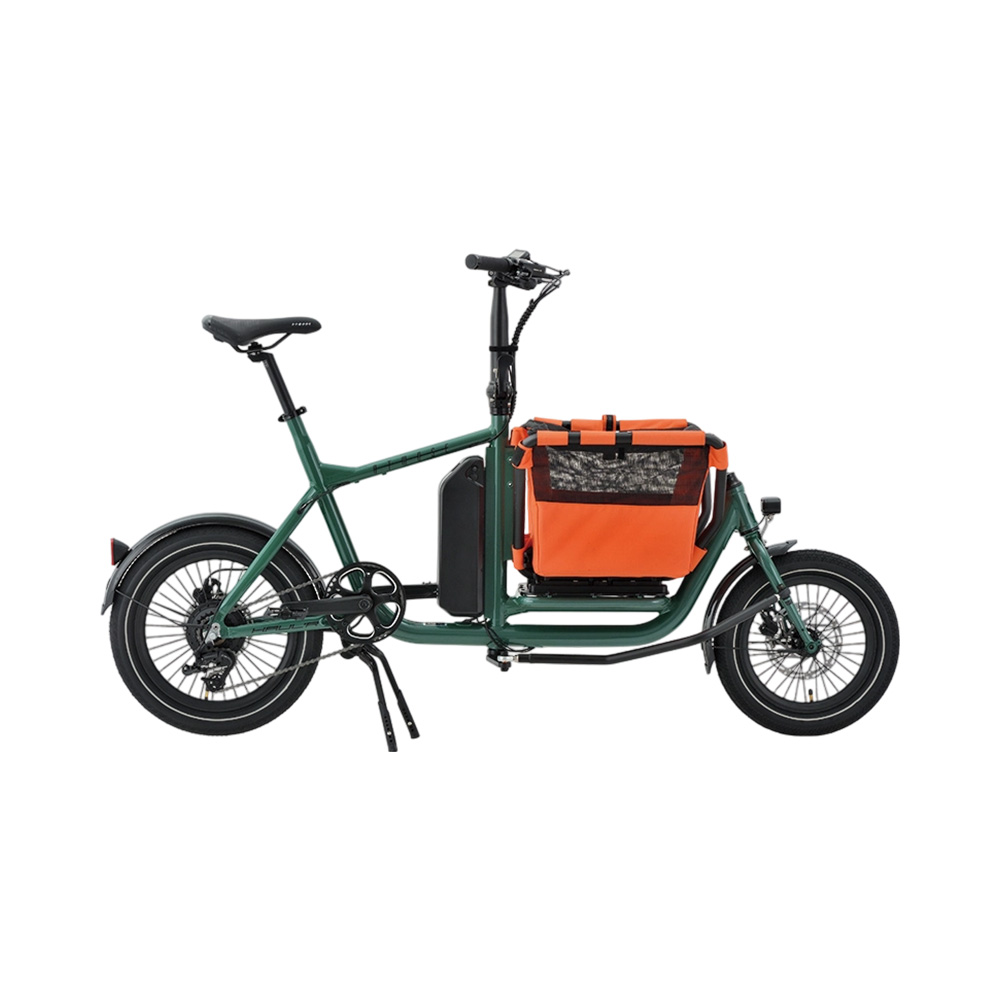
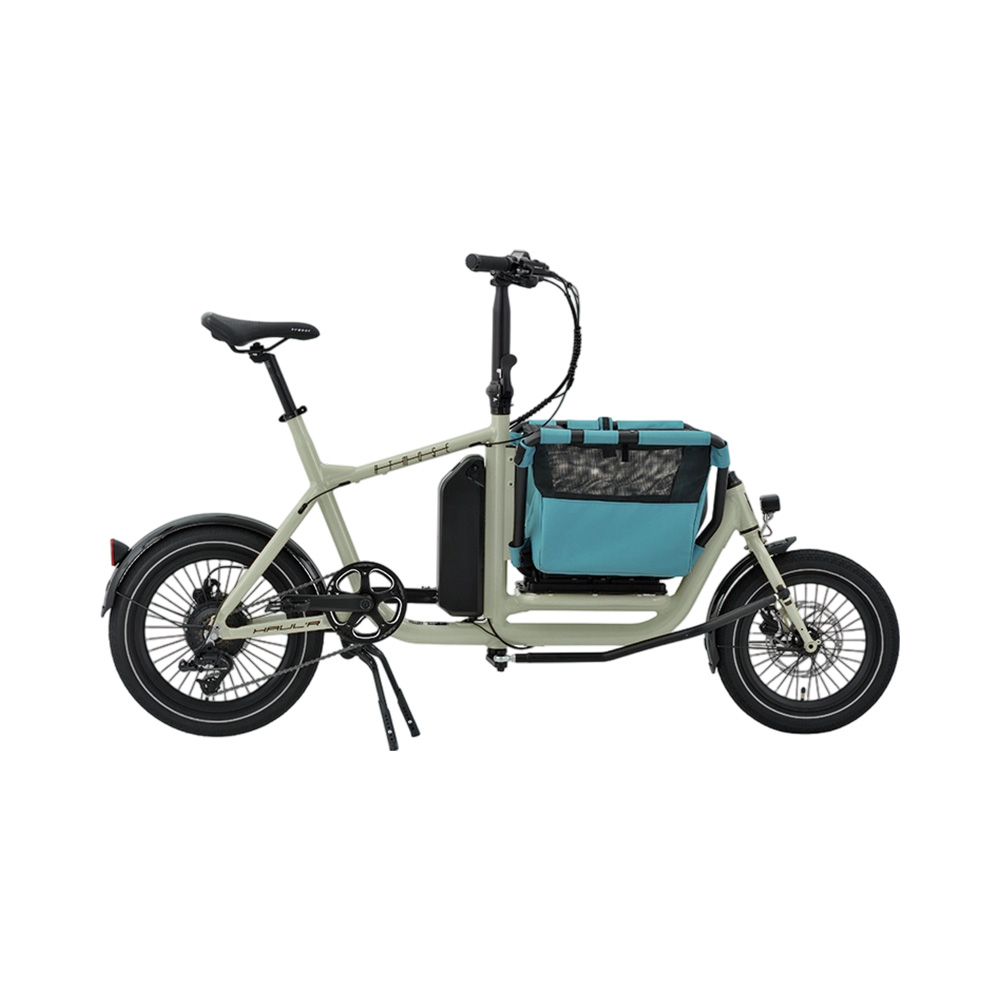
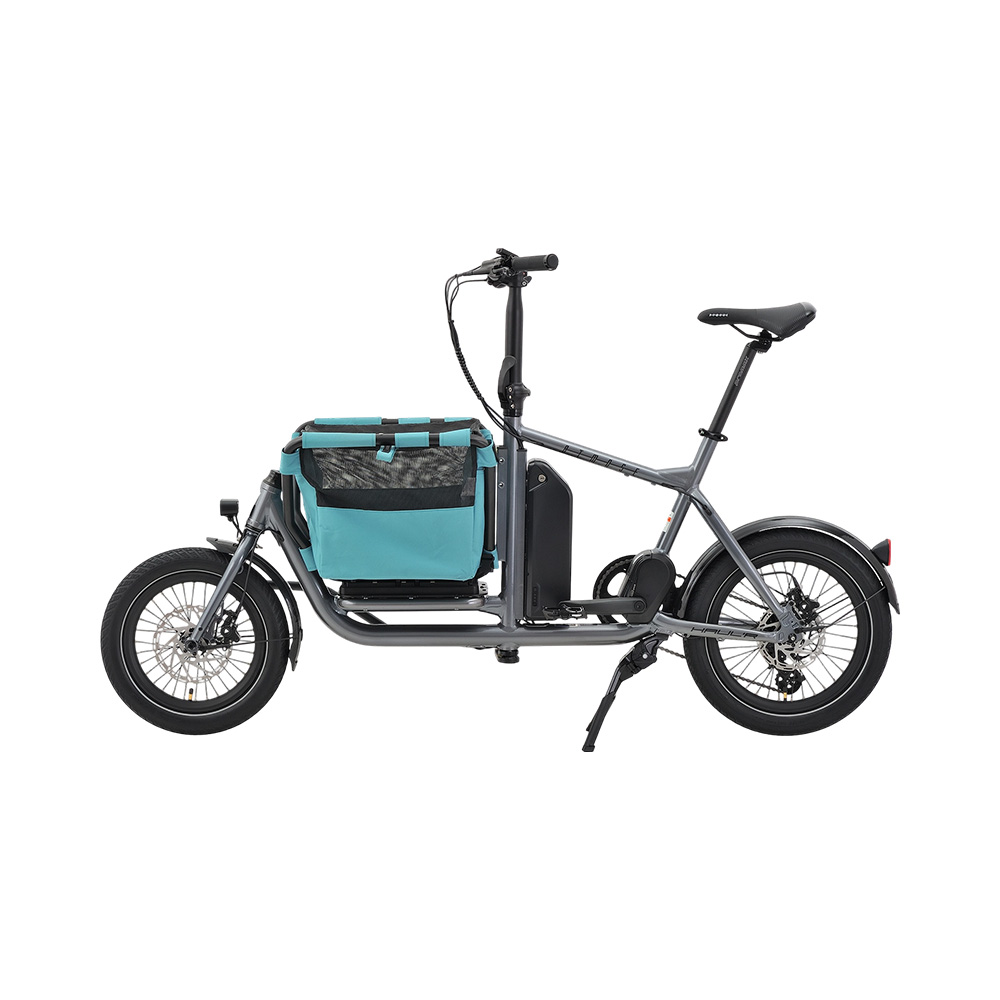
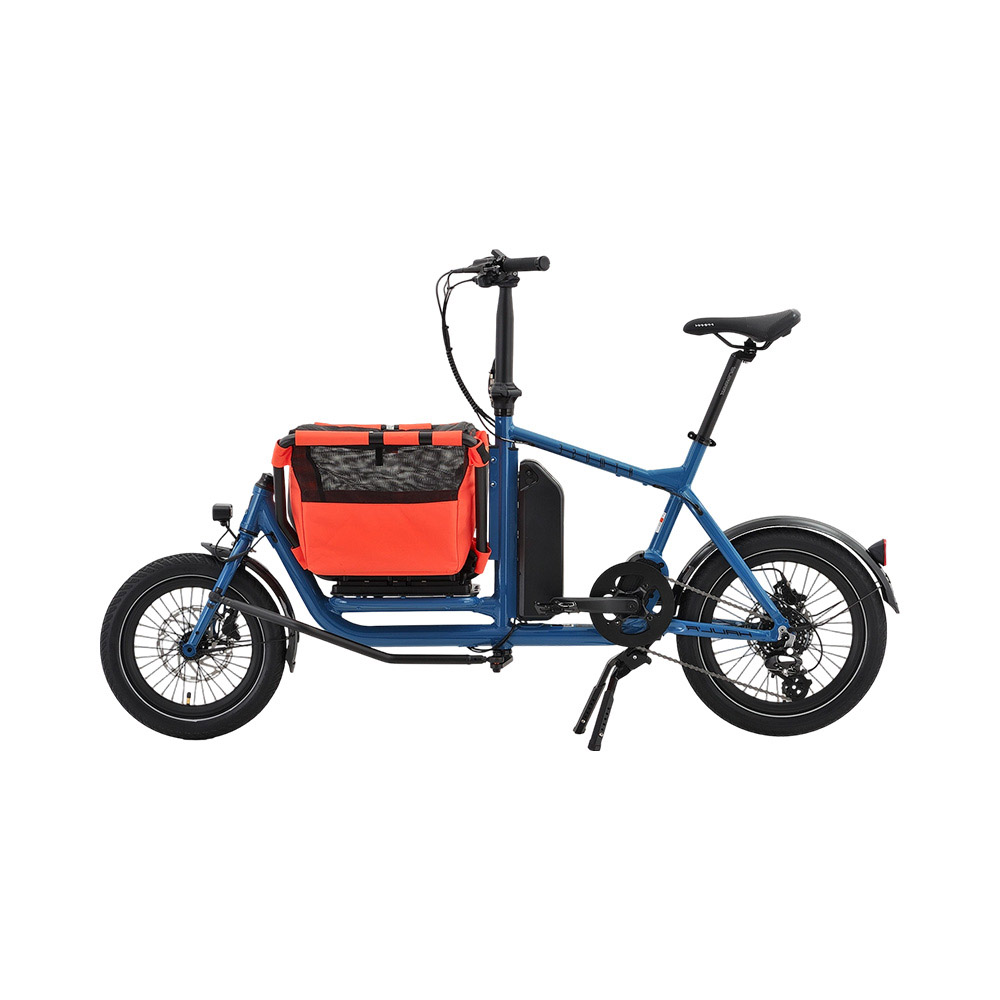
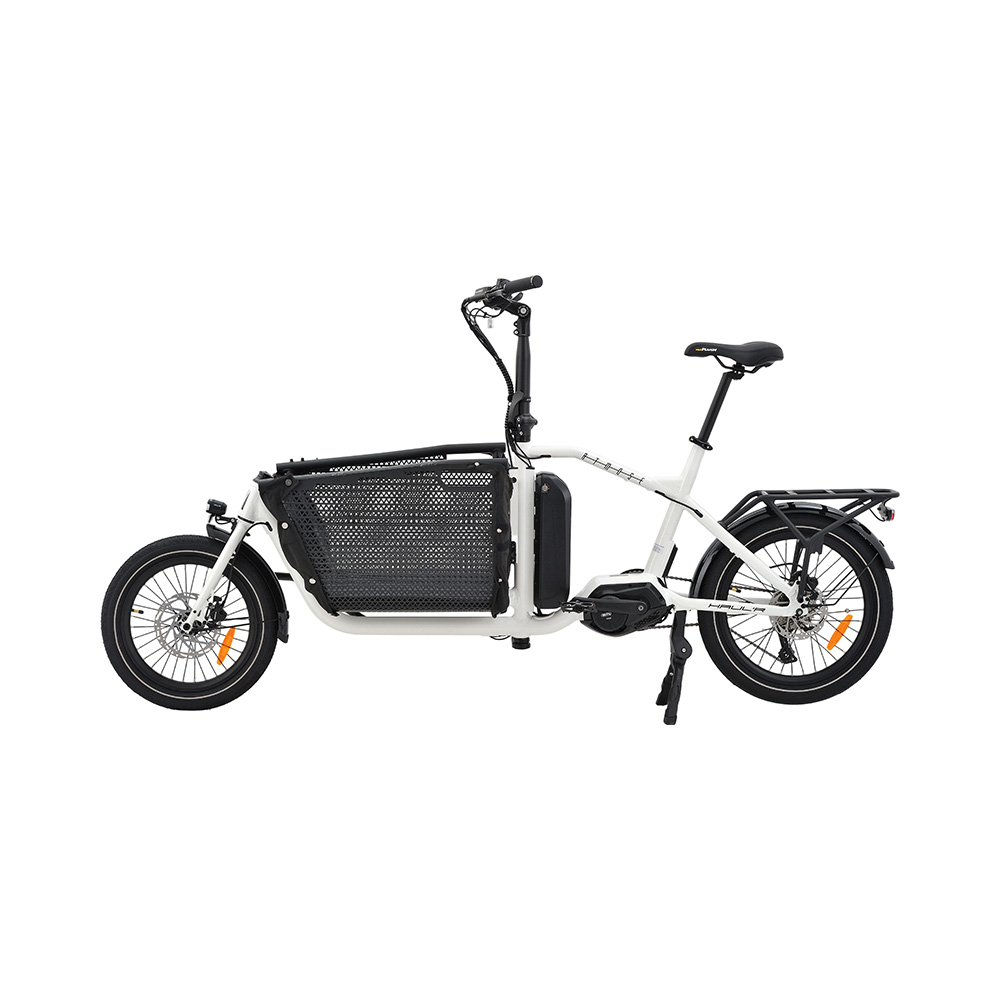
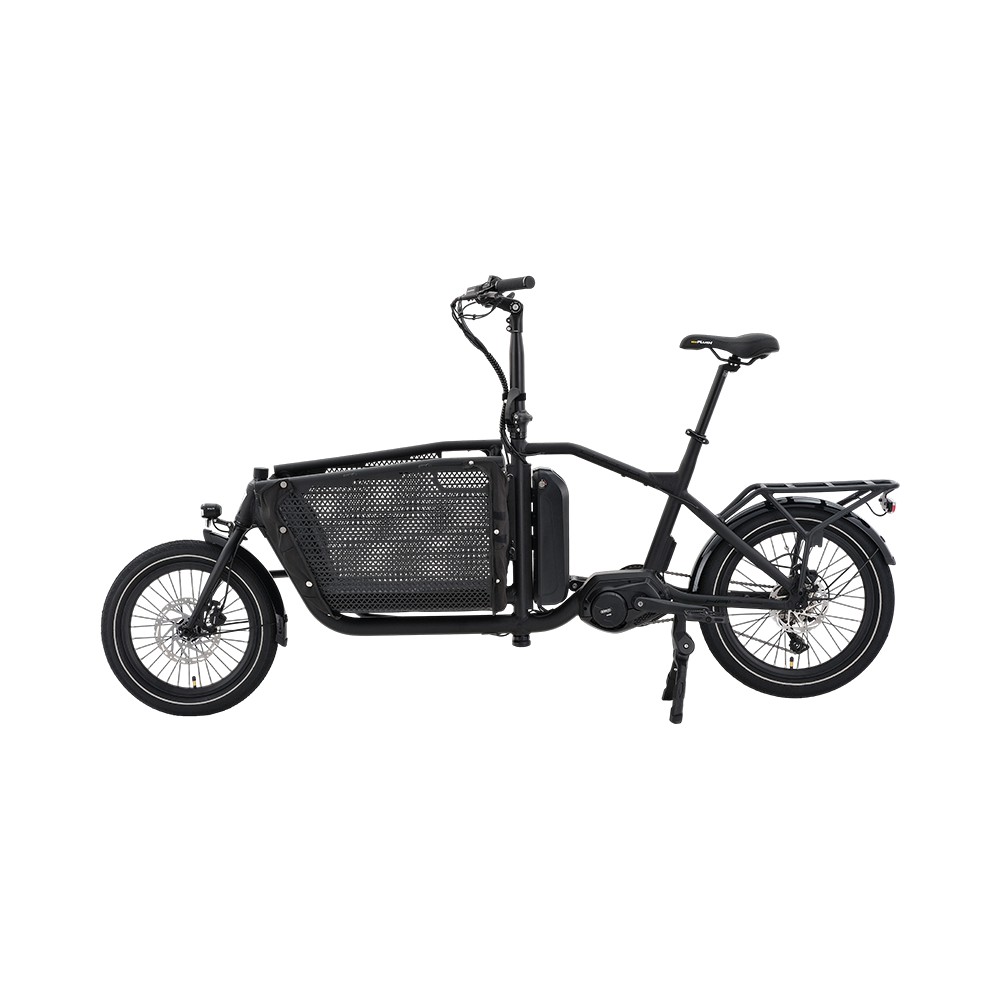
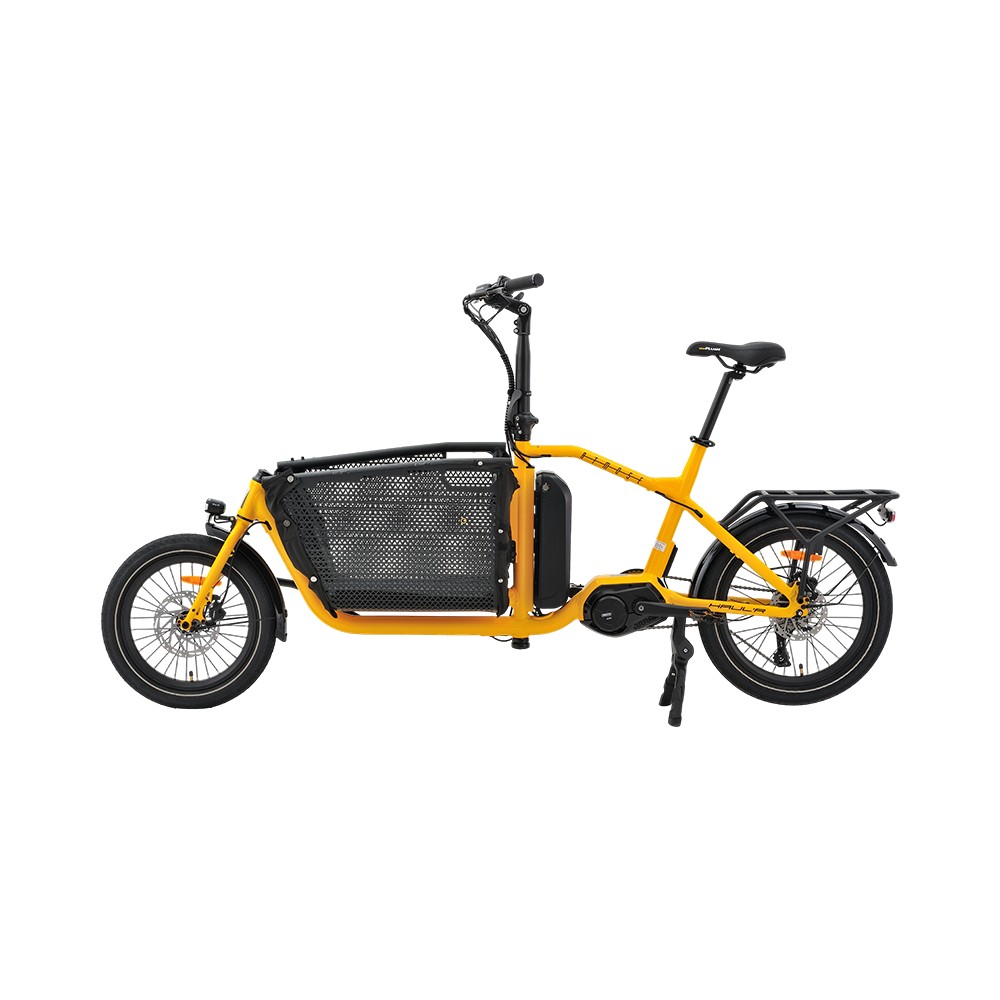
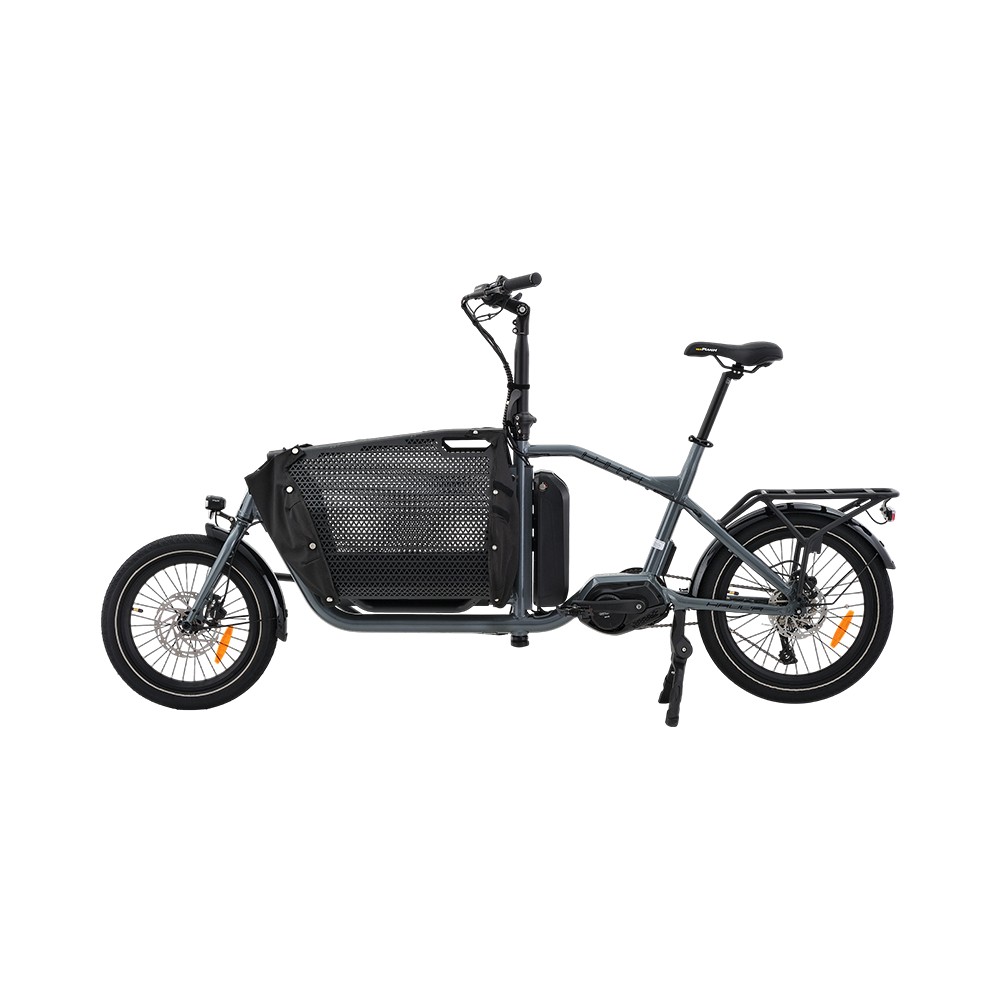
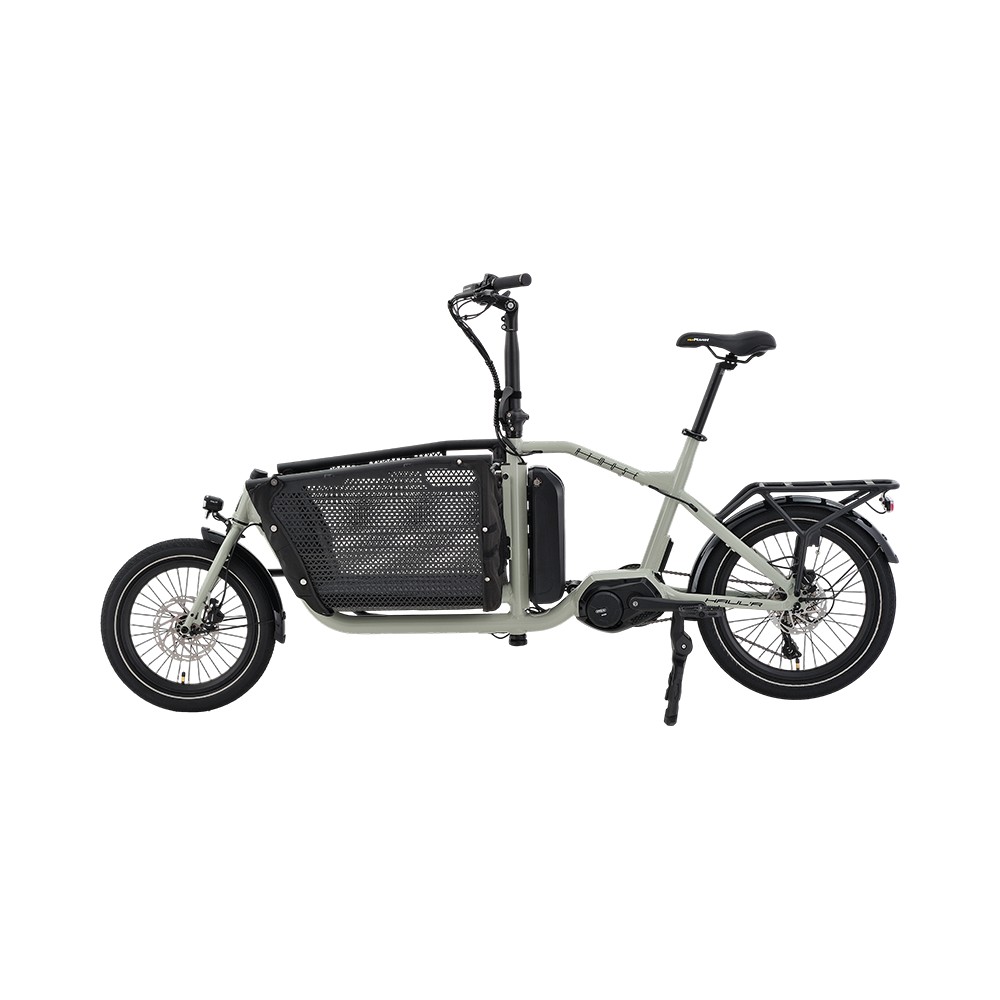
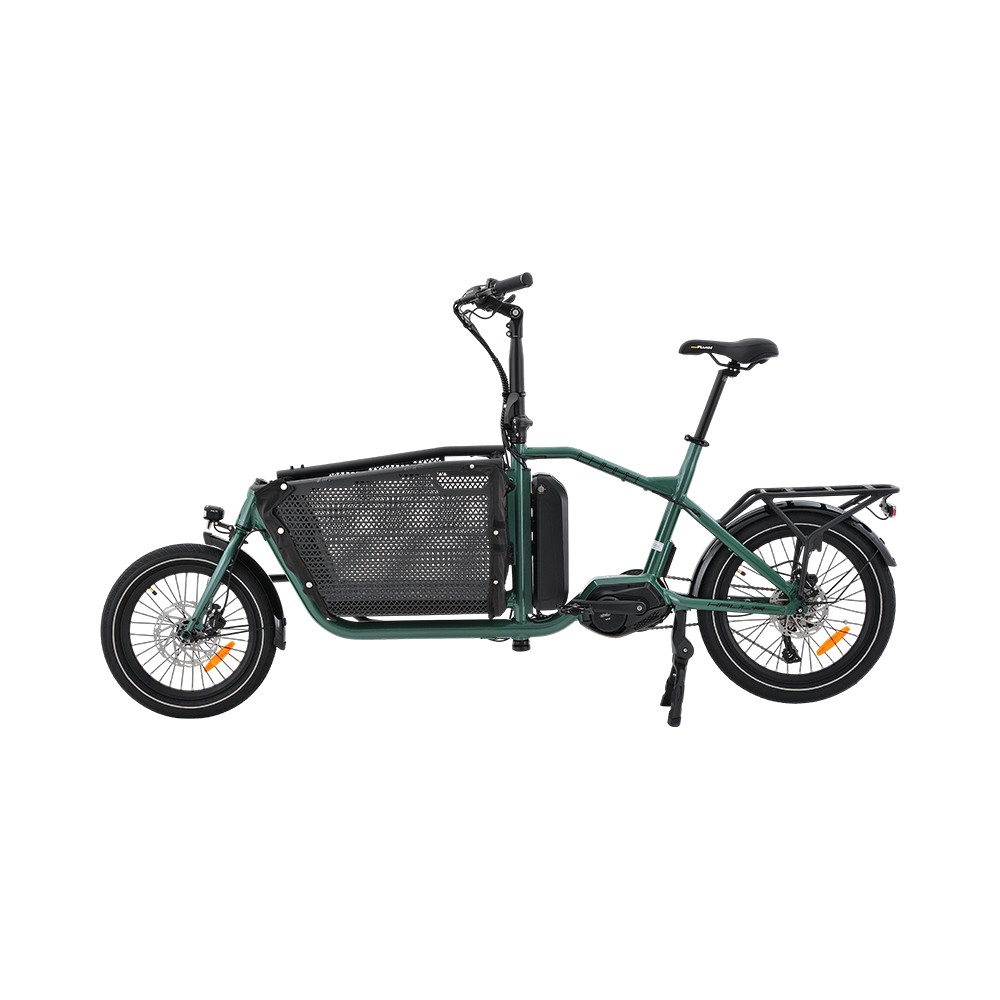
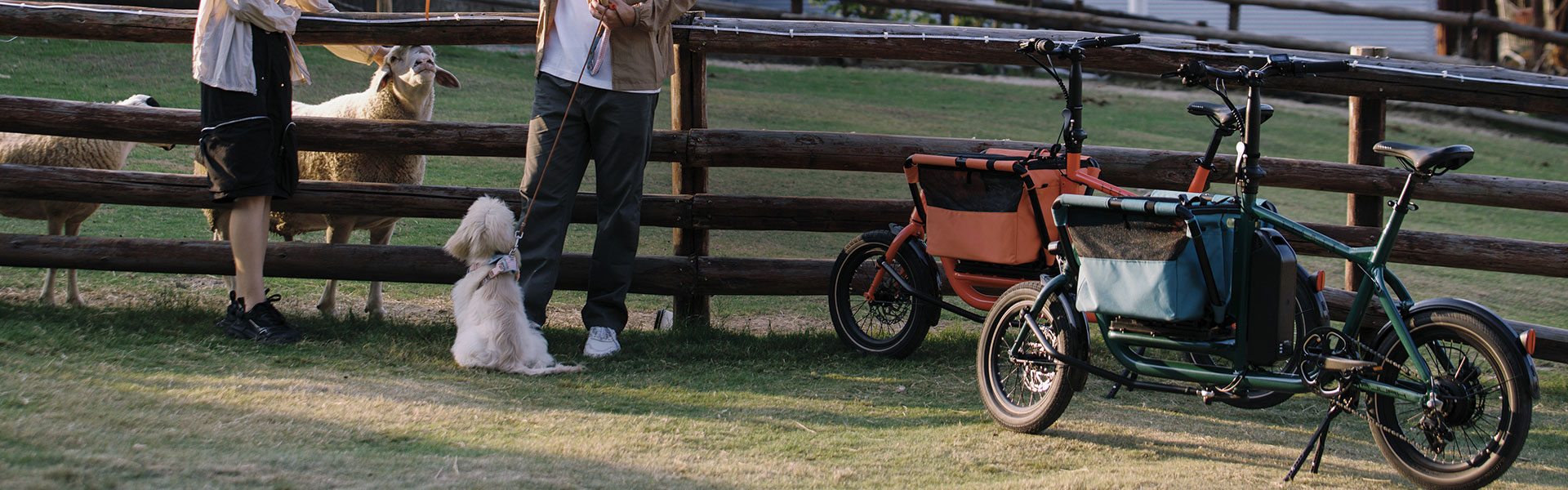
A front box Child Cargo Bike places the passenger area ahead of the rider. This layout gives the rider a direct view of the children during travel and creates a dedicated space for passengers and other family items. The box can be designed with a bench, individual seats, side protection, or a weather canopy.
One practical feature of a front box design is the relationship between the rider and the children. Because the passenger area is positioned in front, parents can communicate with children while riding and can often check their position without turning around. This arrangement can be useful during family trips where interaction between rider and passengers is important.
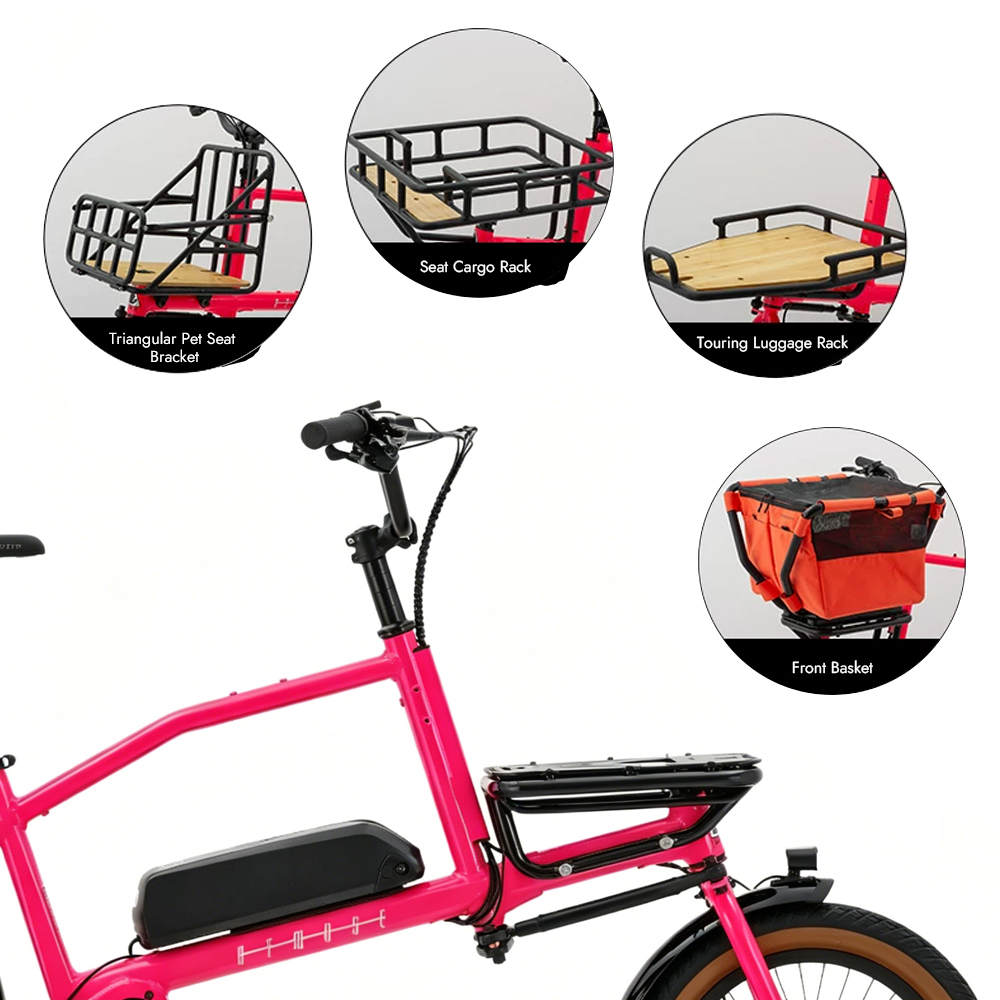
The box itself can also provide flexible space. Depending on the configuration, it may accommodate children together with school bags, small personal items, or shopping goods. A canopy can be added to provide protection from rain and sunlight, while side panels or rails can help define the passenger compartment.
Access is another consideration. A lower entry area can make it easier for children to get into the bike with assistance. This can be particularly useful during frequent stops at schools, childcare facilities, stores, and residential areas.
However, the larger front structure can affect the physical size of the bicycle. Storage space, parking arrangements, and indoor access may therefore become relevant when selecting this type of cargo bike.
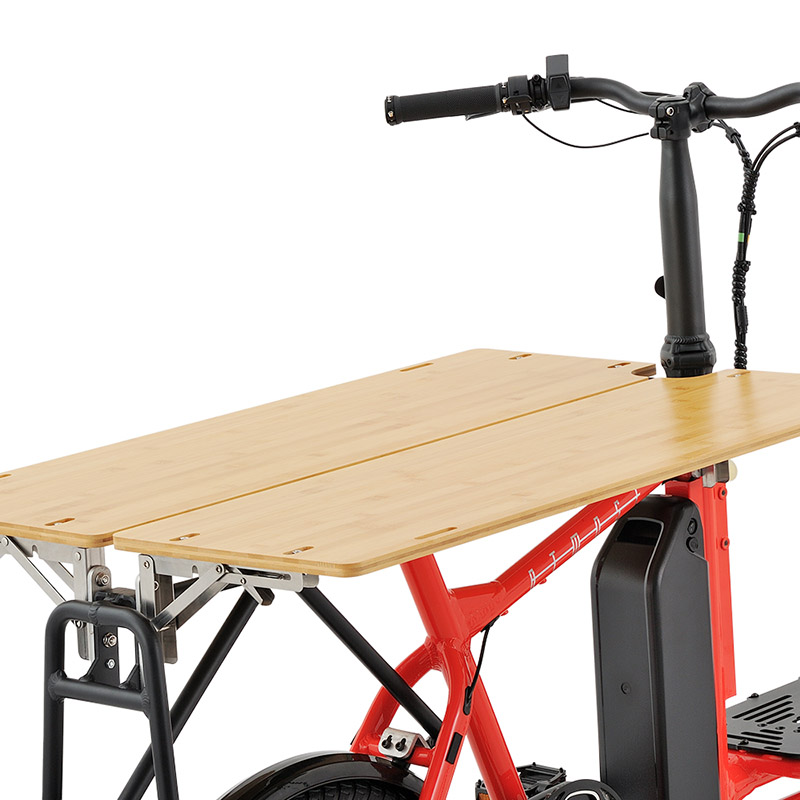
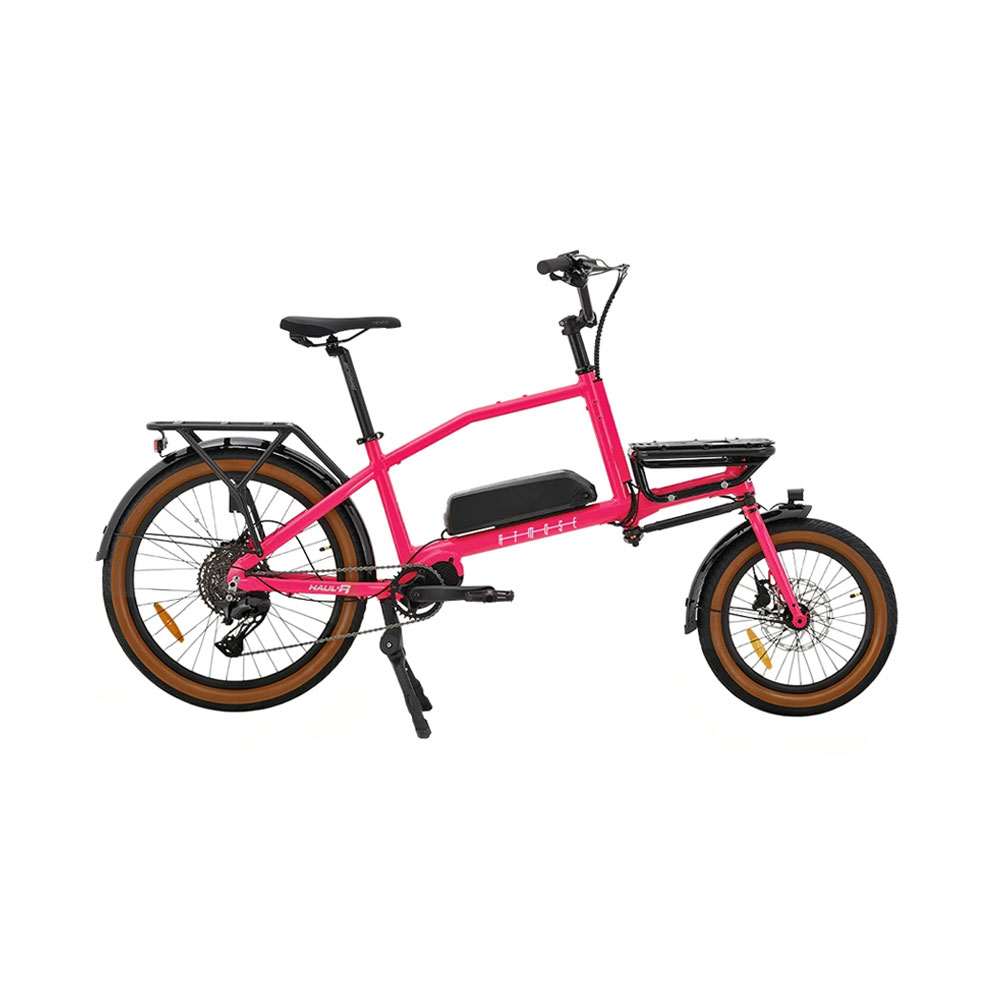
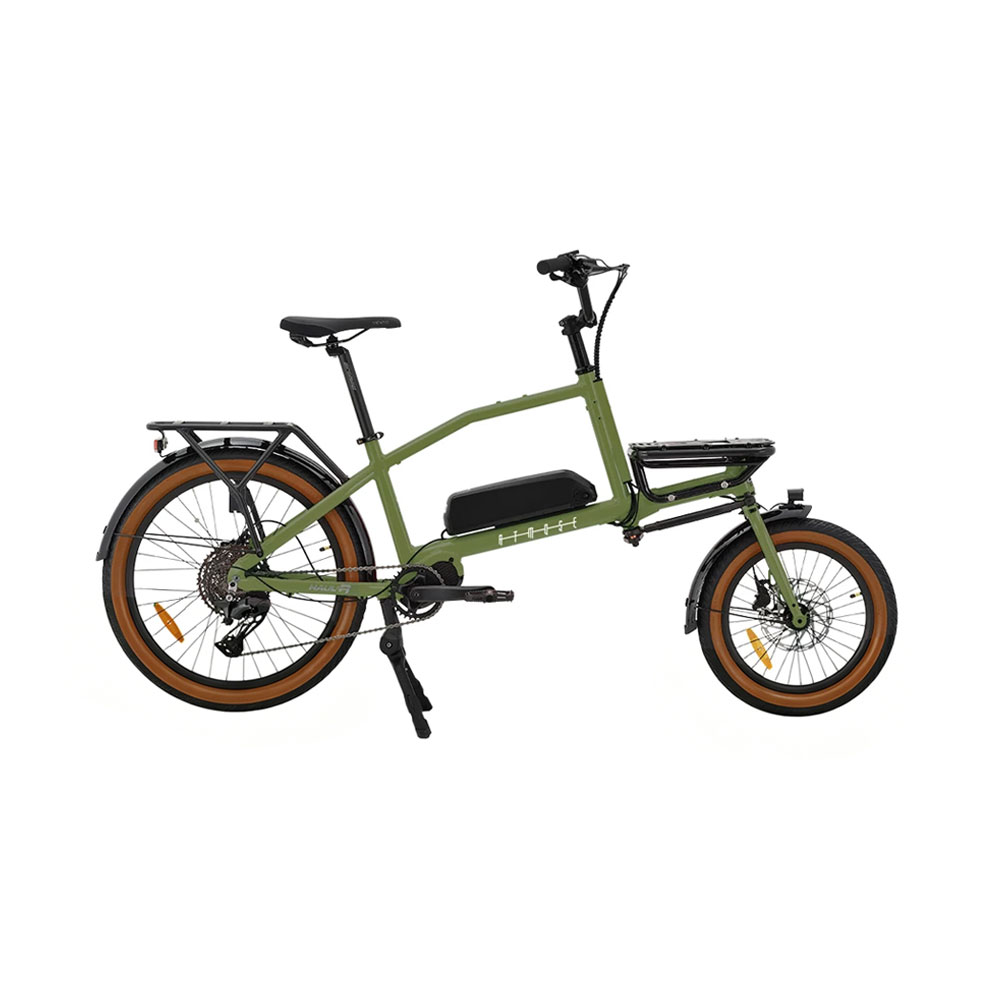
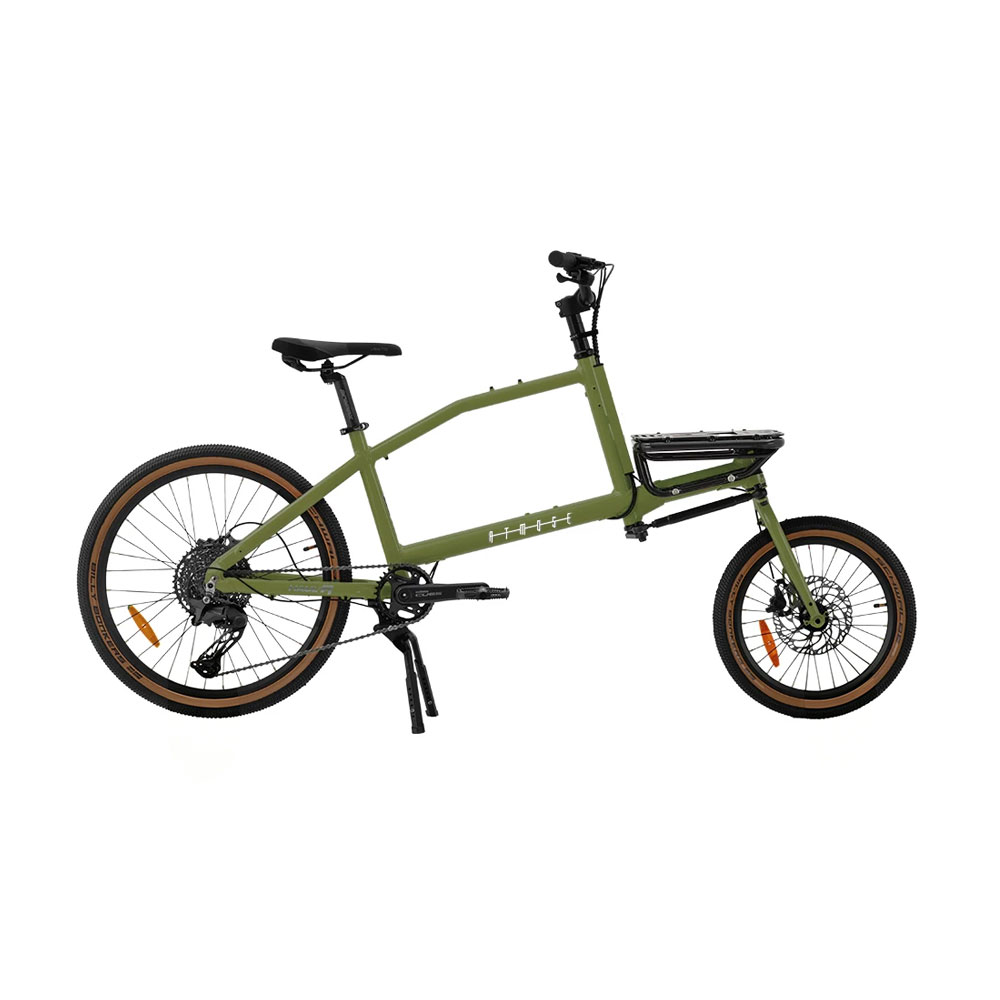
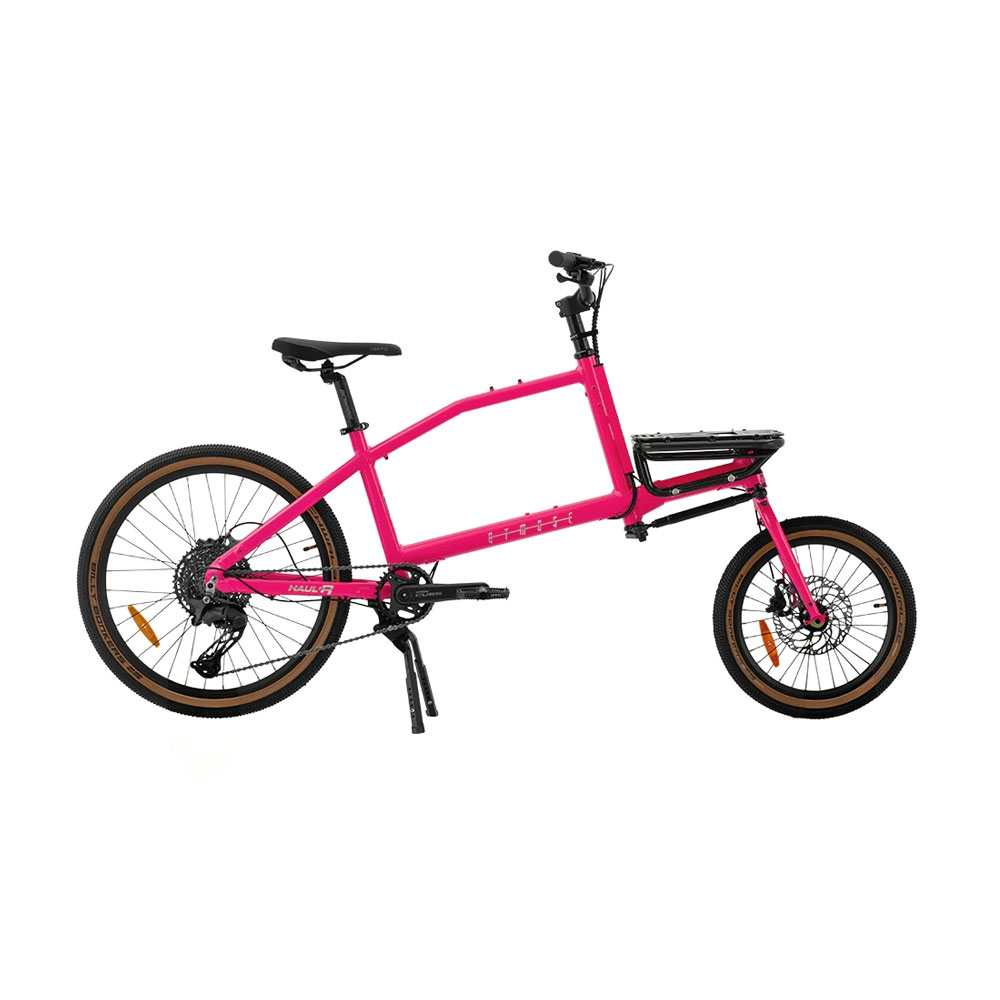
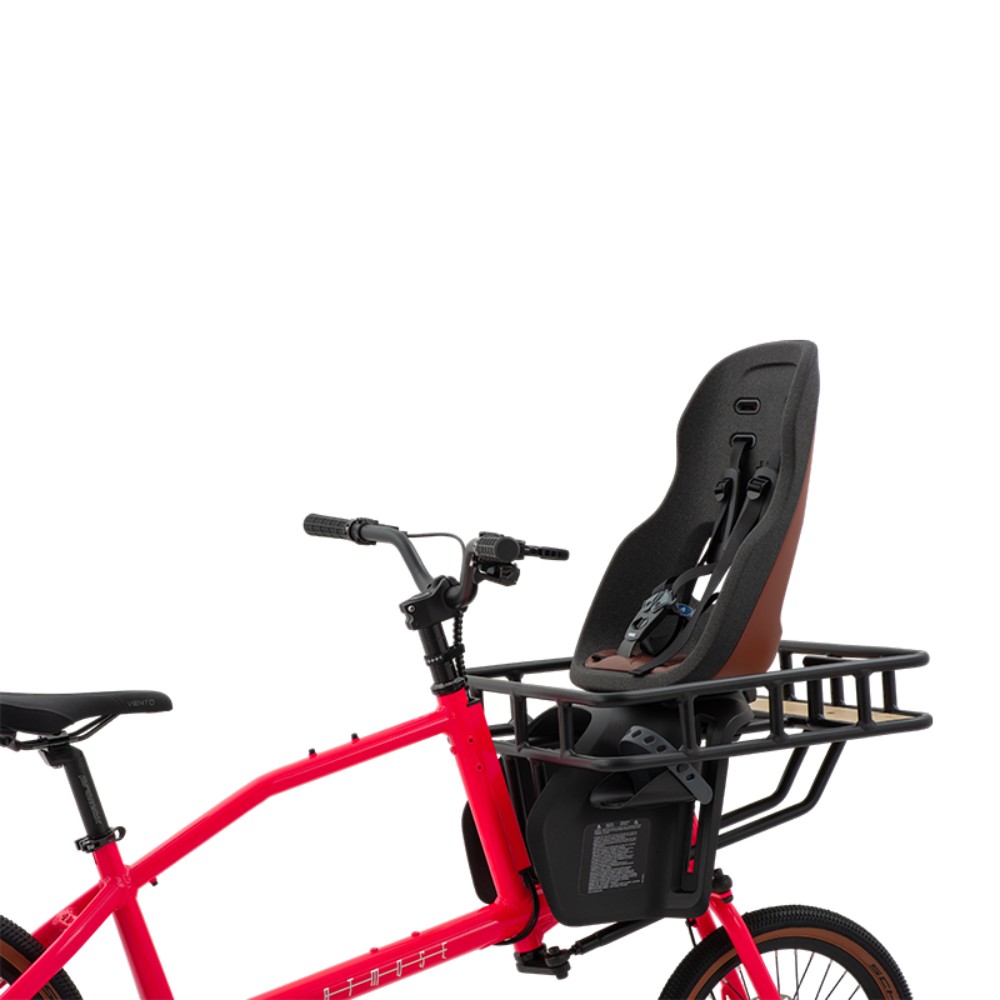
A longtail Child Cargo Bike places children behind the rider. Its overall shape is closer to a conventional bicycle, while the extended rear section provides space for passengers and cargo.
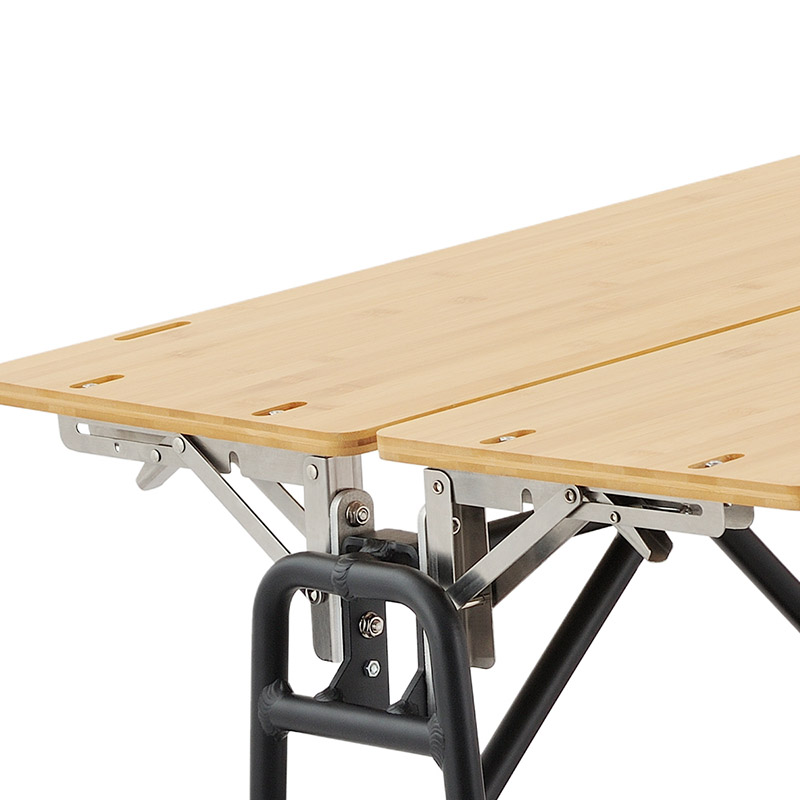
The rear passenger area can be configured with a child seat, bench, side rails, footboards, or other accessories. These components can be arranged according to the age and size of the children as well as the intended riding conditions.
One useful characteristic of the longtail format is its familiar riding position. The rider sits between the handlebars and rear passenger area, while the children remain behind. This can provide a natural layout for parents who regularly ride bicycles and want to integrate child transportation into their daily routine.
A rear passenger configuration can also support flexible cargo use. When children are not riding, the rear area can often accommodate bags, boxes, groceries, or other items. This makes the design relevant to families who use the same bicycle for several types of transportation.
The rider should also consider how children are positioned relative to the rear wheel. Footboards and side protection can create a defined passenger area and help keep feet and clothing away from moving components.
The choice between a front box and longtail design depends on how the bicycle will be used. Families transporting younger children may place more attention on direct visibility, enclosed seating, and easy access. Families carrying older children may focus on rear seating, foot support, and flexible passenger arrangements.
The number of children is another factor. A front box can provide a shared passenger compartment, while a longtail can use a rear bench or multiple seating accessories. The available space at home also matters. A family living in a compact apartment or using a narrow storage area may need to consider the overall shape and parking requirements.
Daily routes should also influence the decision. School trips, childcare transportation, shopping, and recreational riding can create different needs. Road conditions, hills, traffic, stopping frequency, and weather exposure can all affect how the bicycle is used.
Passenger comfort should remain part of the comparison. Seat design, footrests, protective rails, canopies, and access arrangements can influence how children experience daily travel. By considering the bicycle structure together with family routines, buyers can identify a Child Cargo Bike configuration that fits their transportation needs.
Oct 09, 2026
Oct 02, 2026
Sep 25, 2026


info@atmosecargobike.com

200 rue de la Croix Nivert 75015 Paris

Custom Electric Bakfiets
 English
 Français
 Deutsch