

Nov 23, 2026
For businesses handling local transportation, vehicle selection directly affects delivery schedules, cargo handling, and daily operating costs. A Heavy-Duty Cargo Bike can support applications ranging from parcel distribution to grocery transportation and equipment delivery. However, commercial buyers need to look beyond appearance and advertised capacity. Practical details such as frame access, component durability, cargo protection, and repair convenience often determine whether a vehicle fits regular business use.
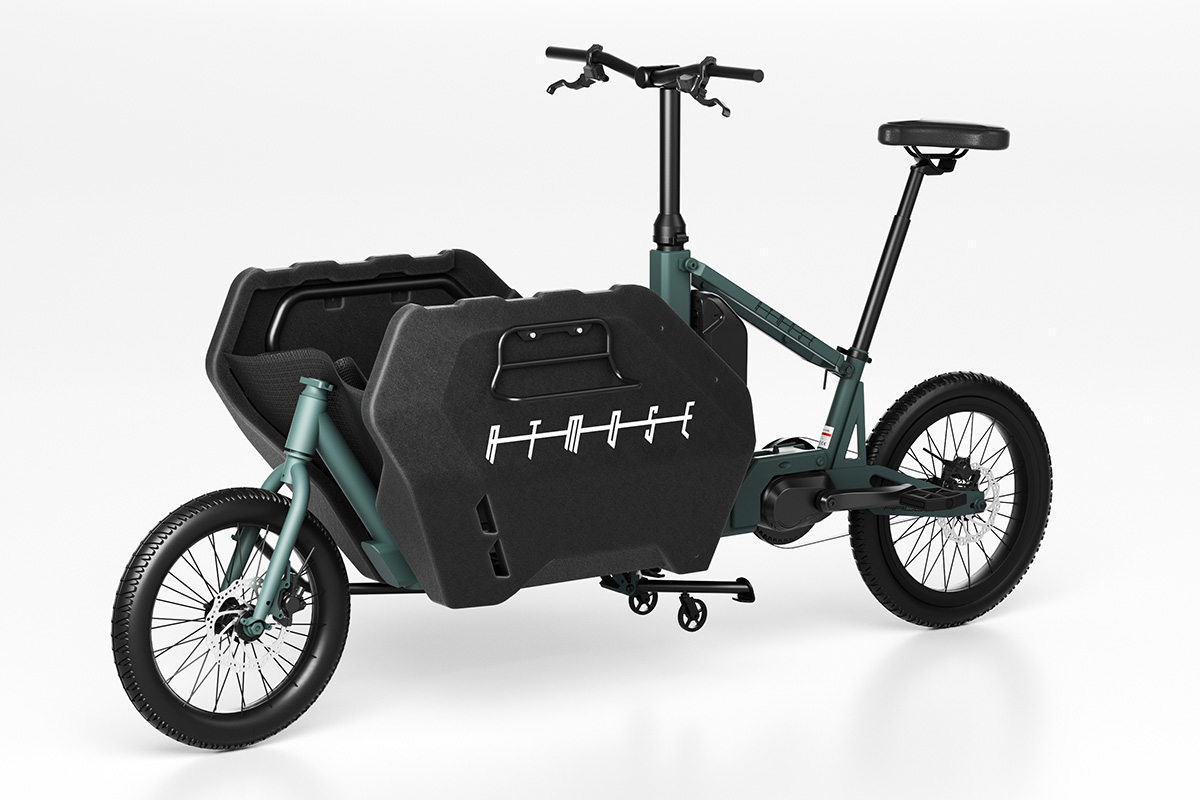
Commercial cargo bikes experience repeated loading and unloading throughout the working day. The frame must support the intended payload while maintaining structural stability during movement.
When evaluating a model, buyers should pay attention to:
Our manufacturing focus includes checking how structural components work together under the vehicle's intended operating conditions.
A cargo area that looks spacious may still be inconvenient if workers struggle to access stored goods. Loading height, opening direction, internal layout, and tie-down points all influence daily handling.
For example, parcel delivery operators may prefer organized compartments, while wholesale suppliers may need an open platform for irregularly shaped packages. Choosing the right layout before production can reduce the need for later modifications.
Road conditions vary between delivery areas. Uneven pavement, curb transitions, and warehouse entrances can place additional stress on wheels and the vehicle structure.
Buyers should consider wheel size, tire specifications, suspension configuration where applicable, and the manufacturer's recommended loading limits. These details influence riding comfort and the vehicle's ability to handle regular transportation tasks.
Frequent stops are common in urban delivery work. A suitable braking system should provide controlled stopping under the vehicle's rated loading conditions.
Hydraulic disc brakes may be appropriate for applications involving heavier loads and repeated braking. However, brake selection should also account for maintenance access, replacement parts, and compatibility with the complete vehicle design.
Electric cargo bikes need a power system matched to their intended workload. Motor output, battery capacity, controller settings, and charging arrangements should be evaluated together.
For fleet buyers, battery replacement and charging management are also important. We recommend confirming the electrical specifications and service requirements before placing a large order, particularly when vehicles will operate across multiple delivery locations.
A single cargo configuration may not suit every commercial application. Distributors, catering suppliers, and logistics companies can have different requirements for storage, branding, and accessories.
As a manufacturer, we discuss application requirements with buyers before confirming customization details. Depending on the production model, options may include cargo box configurations, colors, accessories, and branding arrangements.
Selecting a commercial cargo vehicle requires a clear understanding of its working environment. Frame construction, loading convenience, wheel durability, braking performance, and electrical compatibility should all be considered during supplier evaluation.
For wholesalers, fleet operators, and distributors, a Heavy-Duty Cargo Bike should offer a practical balance between cargo capacity, everyday usability, and maintenance support. Working with a manufacturer that understands these requirements helps buyers choose a configuration suited to their target market.
Nov 23, 2026
Nov 20, 2026
Nov 13, 2026


info@atmosecargobike.com

200 rue de la Croix Nivert 75015 Paris

Custom Electric Bakfiets
 English
 Français
 Deutsch































