

Nov 20, 2026
Last-mile delivery often involves more than transporting packages from one location to another. Riders may need to navigate narrow streets, enter commercial buildings, make frequent stops, and carry goods of different sizes. A Heavy-Duty Cargo Bike gives delivery companies and local distributors another option for handling these tasks. For businesses considering bulk purchases, the key is finding a vehicle that combines practical cargo space, stable handling, and manageable maintenance requirements.
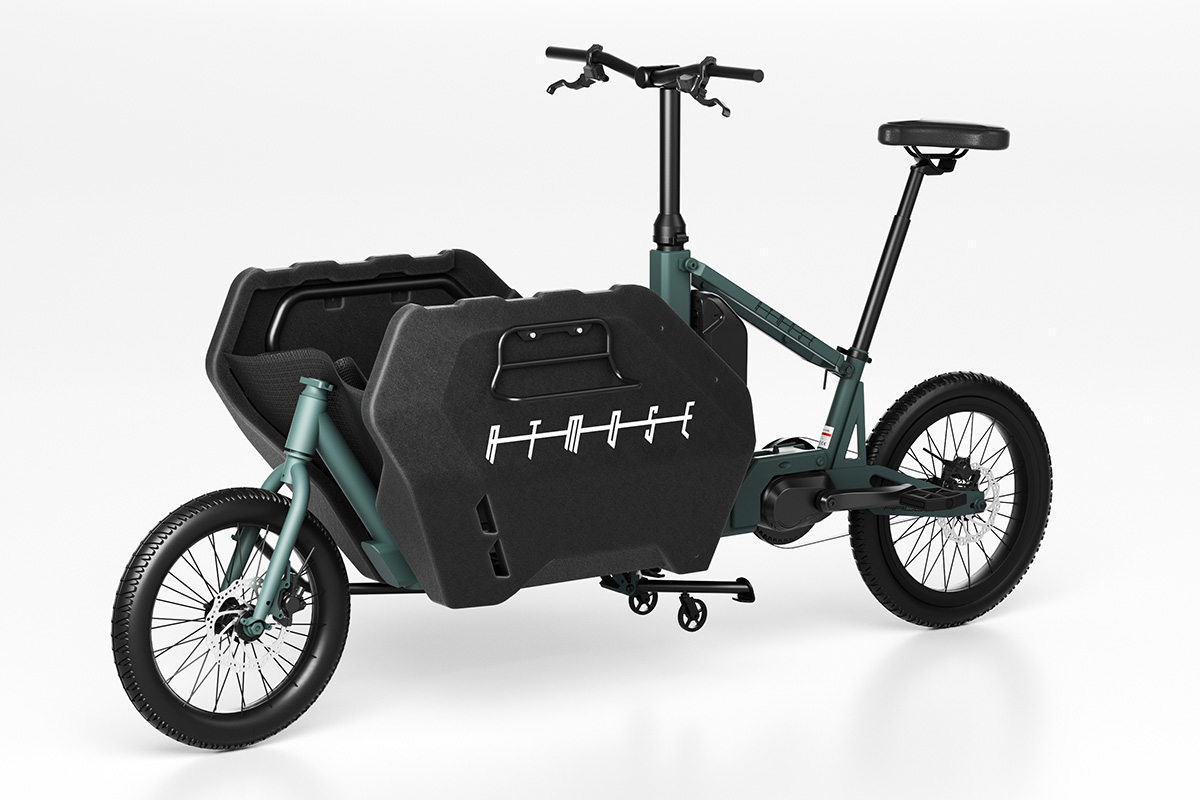
Flexible Cargo Space for Different Industries
Not every delivery business transports the same type of goods. Parcel companies need organized storage, grocery suppliers may carry several product categories, and maintenance teams often transport tools and equipment.
A suitable cargo configuration should consider:
We pay attention to cargo area design during product development so that the vehicle can accommodate different commercial applications.
Delivery riders frequently encounter pedestrians, parked vehicles, narrow entrances, and crowded intersections. A heavily loaded vehicle needs predictable steering and balanced weight distribution.
Frame geometry, wheelbase, handlebar positioning, and cargo placement all influence handling. Buyers should assess the complete vehicle under realistic loading conditions rather than relying only on unloaded demonstrations.
Rain, road dust, and changing temperatures can affect components during regular outdoor operation. Electrical connections, battery compartments, fasteners, and cargo storage areas deserve particular attention.
For businesses operating in wet environments, protective covers and suitable electrical protection can help reduce exposure-related maintenance concerns. Cargo boxes should also provide appropriate protection for the products being transported.
Urban delivery routes often involve repeated acceleration and braking. For electric cargo bikes, motor assistance should suit the vehicle's weight and expected working conditions.
Buyers should review motor specifications, controller compatibility, battery capacity, and assistance settings together. A suitable configuration helps riders manage loaded starts and everyday route variations without relying on a single specification to judge performance.
A delivery fleet needs consistent servicing to remain operational. Before purchasing, businesses should understand which components require regular inspection and how replacement parts can be obtained.
Important areas include:
We recommend discussing maintenance documentation and spare-parts arrangements with the manufacturer before confirming a fleet order.
Wholesale distributors often serve customers with different transportation requirements. OEM customization can help adapt cargo boxes, vehicle colors, accessories, and branding to specific market needs.
When discussing an order, buyers should provide their target application, expected loading conditions, preferred configuration, and destination market. This makes technical communication more efficient and helps clarify which modifications are feasible within the production process.
The right commercial cargo vehicle should fit the actual working environment, not just look suitable in a product catalogue. Cargo capacity, handling, electrical performance, weather protection, and after-sales support all influence its long-term value.
As a manufacturer, we focus on combining practical structural design with application-based configurations. A well-matched Heavy-Duty Cargo Bike can give retailers, logistics providers, and distributors a flexible transportation option for everyday delivery operations.
Nov 23, 2026
Nov 20, 2026
Nov 13, 2026


info@atmosecargobike.com

200 rue de la Croix Nivert 75015 Paris

Custom Electric Bakfiets
 English
 Français
 Deutsch































