

Nov 13, 2026
Urban delivery businesses need vehicles that can carry bulky goods while remaining practical on narrow streets, busy roads, and frequent stop-and-go routes. A Heavy-Duty Cargo Bike provides a useful option for distributors, retailers, and logistics operators looking to handle local deliveries with greater flexibility. However, choosing the right model requires attention to everyday operating conditions, including cargo security, rider comfort, tire durability, and maintenance access.
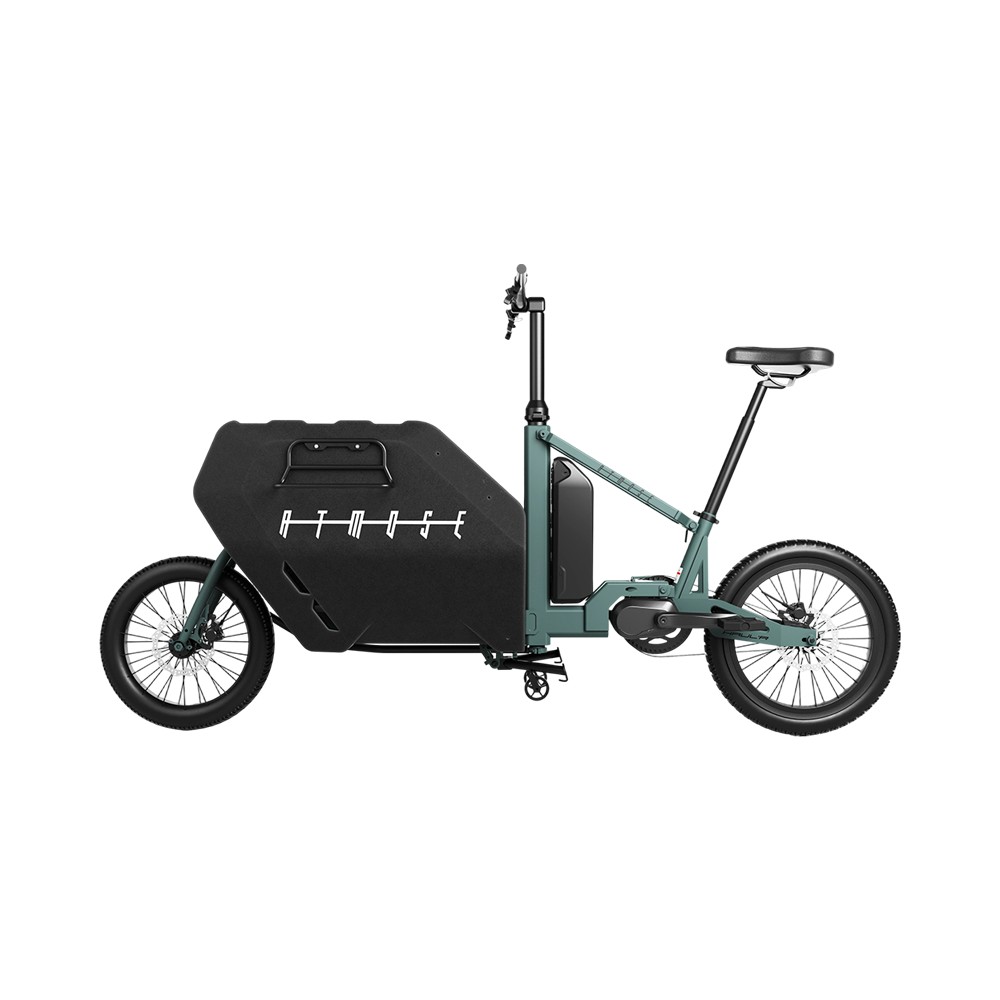
Carrying heavy goods is not simply about having enough storage space. Poor weight distribution can affect steering and riding stability, especially when the bike turns or travels over uneven surfaces.
We recommend checking the following details before purchasing:
These details help businesses reduce movement during transportation and make loading procedures more predictable.
Tires have a direct impact on riding comfort, traction, and maintenance frequency. Delivery vehicles may travel across asphalt, concrete, warehouse entrances, and uneven urban roads.
For commercial applications, buyers should consider tire width, load rating, puncture protection, and replacement availability. A suitable tire configuration can help the vehicle handle regular transportation tasks without requiring unnecessary maintenance.
Commercial riders may spend several hours operating a cargo bike. An uncomfortable riding position can make frequent deliveries more demanding.
Handlebar reach, saddle adjustment, frame geometry, and step-through access are worth examining. For businesses operating shared fleets, adjustable components can also accommodate riders with different body sizes.
As manufacturers, we consider rider access and control when evaluating the overall vehicle layout. Practical ergonomics matter just as much as cargo capacity in everyday applications.
Outdoor deliveries expose goods to rain, dust, and changing weather conditions. Depending on the application, buyers may need enclosed cargo boxes, waterproof covers, locking compartments, or protective accessories.
Parcel distributors may prioritize lockable storage, while food suppliers may require insulated compartments. Selecting accessories according to the actual delivery task helps avoid unnecessary vehicle modifications.
For electric models, the motor, battery, controller, and wiring system should work together as a complete unit. Buyers should also check whether electrical components are accessible for routine inspection and servicing.
Before confirming an order, ask the manufacturer about battery replacement, charging arrangements, electrical protection, and spare-parts support. Clear technical documentation is particularly useful for businesses managing multiple vehicles.
Different markets have different delivery requirements. Some distributors need larger cargo boxes, while others require specific colors, branding, or accessory configurations.
When discussing OEM orders, buyers should provide their expected payload, route conditions, target market, and intended applications. This allows the manufacturer to assess suitable configurations and clarify customization possibilities before production.
A commercial vehicle should meet both transportation and maintenance requirements. Frame construction, tire specifications, braking performance, cargo security, and after-sales support all deserve attention during supplier evaluation.
At our factory, we focus on practical vehicle configurations that address real delivery needs. Choosing a Heavy-Duty Cargo Bike with suitable components and a well-planned cargo layout can help distributors and logistics operators build a more dependable local delivery fleet.
Nov 23, 2026
Nov 20, 2026
Nov 13, 2026


info@atmosecargobike.com

200 rue de la Croix Nivert 75015 Paris

Custom Electric Bakfiets
 English
 Français
 Deutsch































